The 11-hour administrative failure that compromises the officials
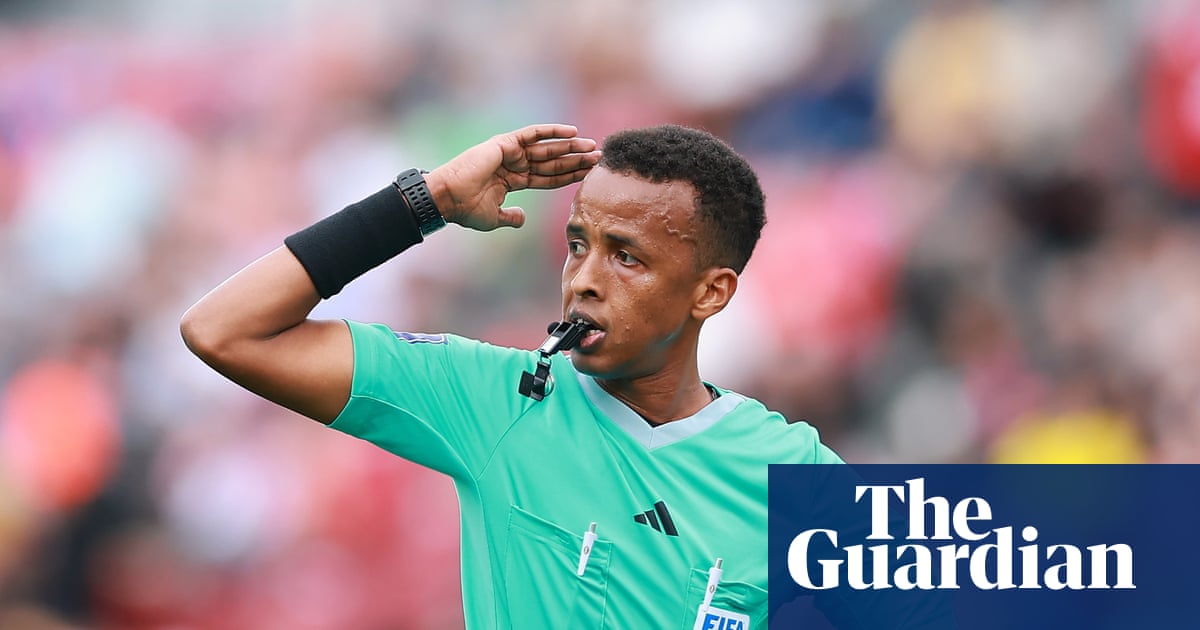
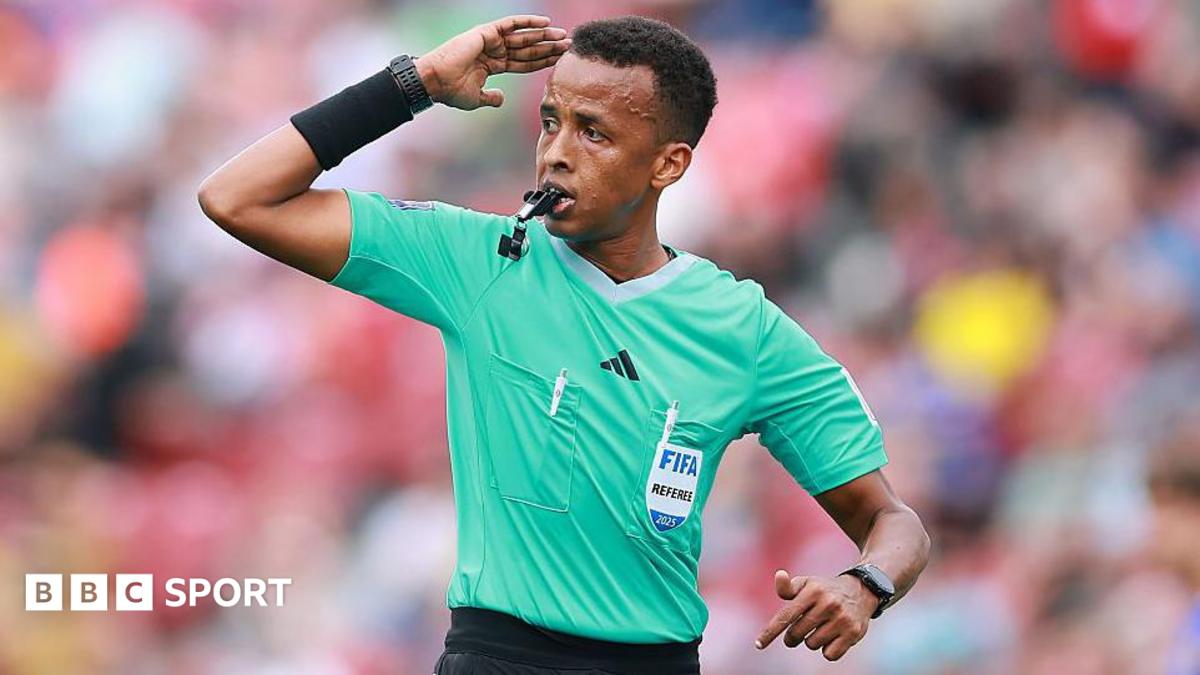
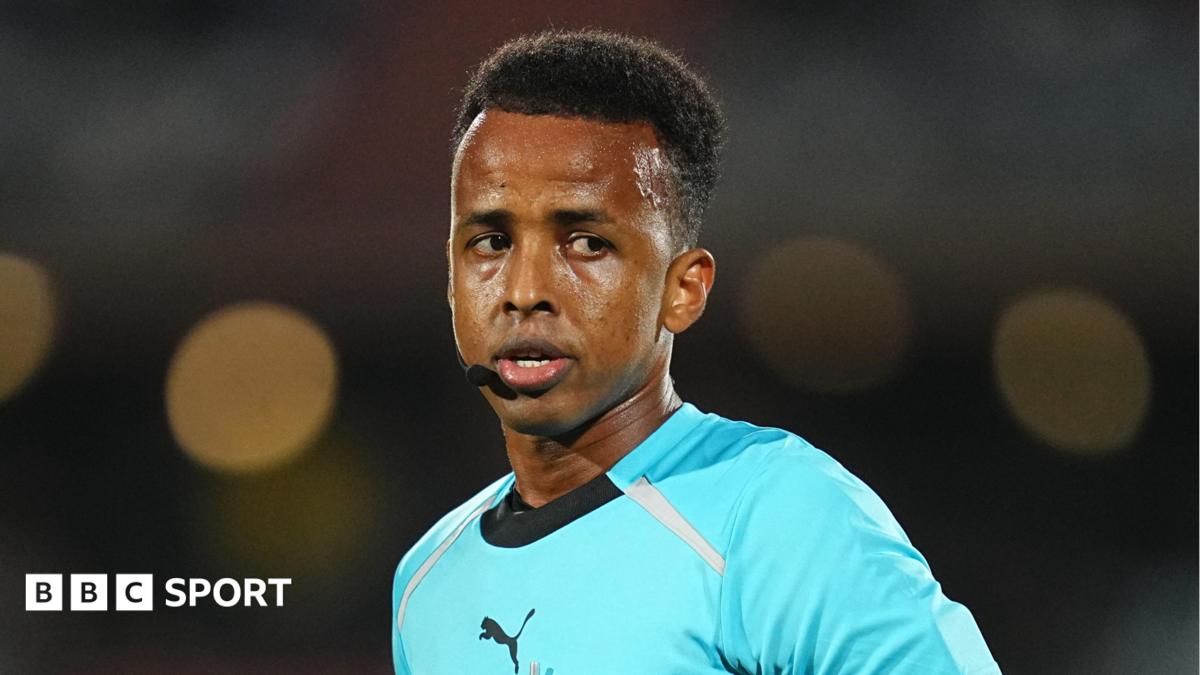
FIFA’s officiating roster for the 2026 World Cup faces an immediate threat to its credibility following the exclusion of Somali referee Omar Artan. Despite securing the necessary visa and valid documentation, Artan was denied entry into the United States after enduring an 11-hour interrogation at the border. This prolonged immigration interview has effectively sidelined an official slated to make history for the Somali Football Federation.
Quantifying the impact of officiating disruptions
Artan’s absence is not merely a symbolic loss for East African representation. The integrity of the tournament relies on a consistent standard of officiating across 104 matches. By removing a qualified referee who possesses the right papers just 48 hours before the tournament kickoff, FIFA has introduced an unnecessary variable at the most sensitive point of the cycle. This administrative barrier creates a precedent that could affect other match officials entering the country, given that the United States is hosting games alongside Canada and Mexico.
Comparing global standards to border reality
The discrepancy between professional status and border treatment is stark. While FIFA prepares to broadcast the event to an estimated audience of 5 billion people, local border decisions are overriding international sporting mandates. As Ian Wright noted regarding this escalating situation, the optics suggest a level of disorganization that defies the scale of a modern tournament. The referee had successfully passed all physical and technical assessments required for the finals, yet his career progress was halted by an 11-hour bureaucratic ordeal that leaves no room for appeal or rectification.
Operational risks in the host selection process
This incident reflects a wider concern regarding the logistical friction identified in recent reports concerning entry protocol. While the tournament is marketed as a global celebration, the reliance on national immigration agencies to manage the movement of international staff is proving to be a critical failure point. In previous cycles, match officials were granted seamless transit; here, the variance in border policy for a high-profile referee creates a disparity that calls the professional environment into question. The tournament has not yet begun, but the count of logistical errors is already rising before the opening whistle.