The shadow of administrative failure
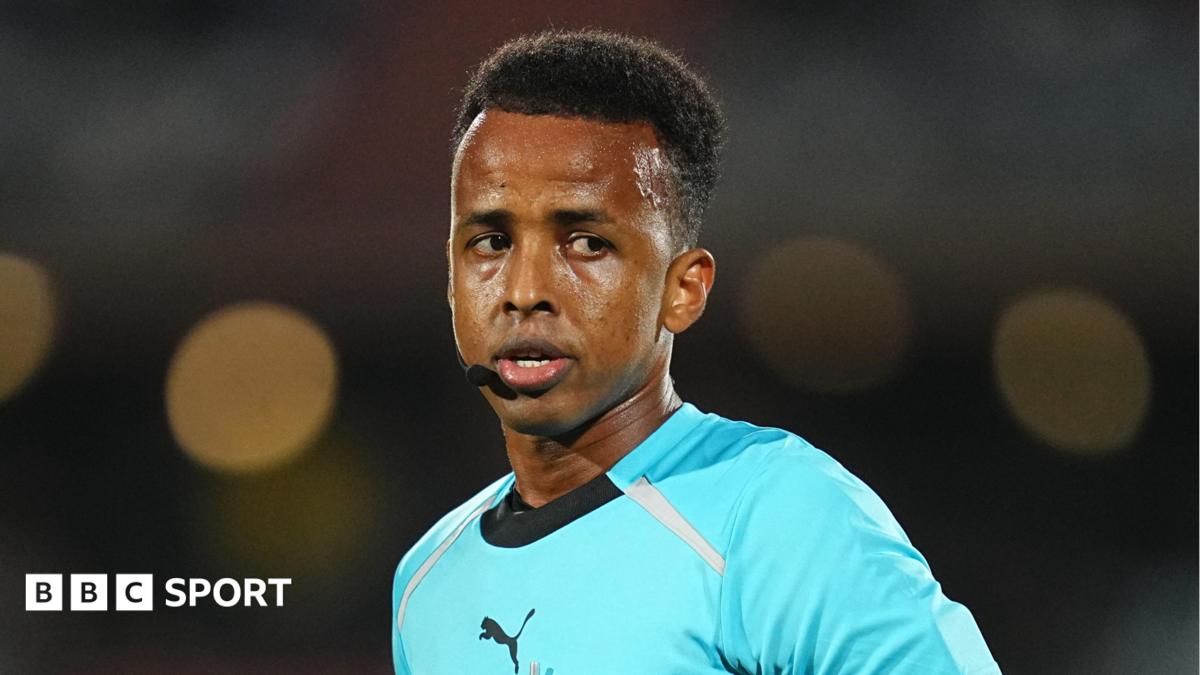
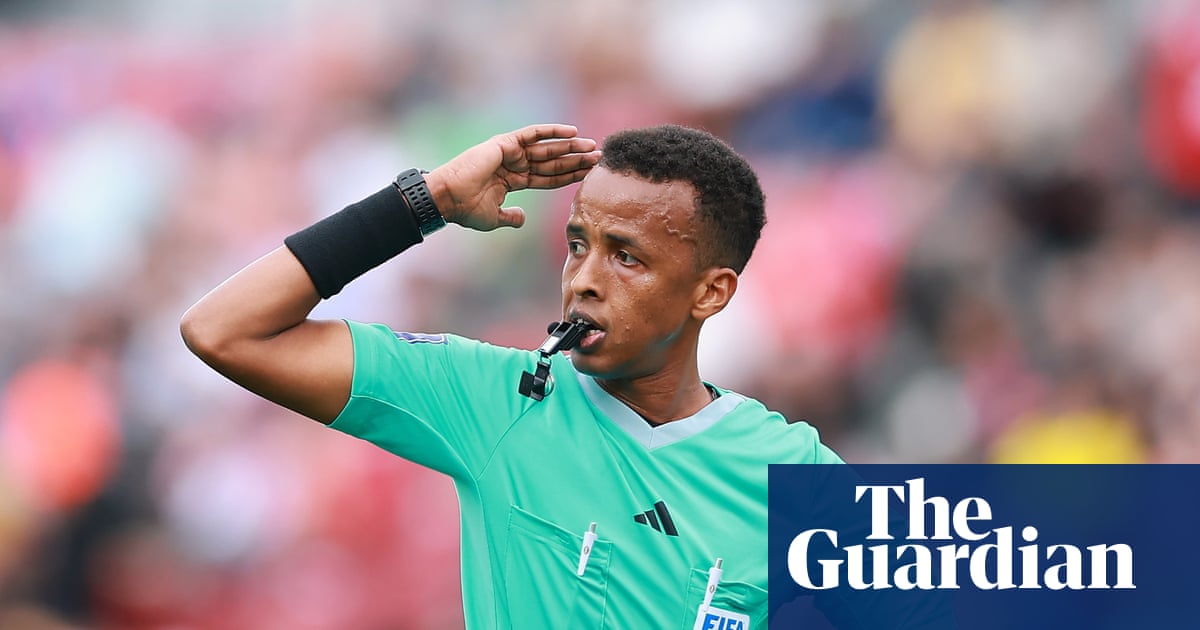
Tomorrow, the 2026 FIFA World Cup officially opens. Yet, the narrative surrounding the tournament has been hijacked by a series of logistical and diplomatic blunders that suggest the governance of the sport is losing its grip. The exclusion of Somali referee Omar Artan is the most egregious example of this decay.
Artan was originally slated to officiate at the tournament, but his entry to the United States was denied because of his alleged association with suspected members of terror organizations, an issue he has openly disputed. This is not just a personal tragedy for an official; it is a profound embarrassment for FIFA. Relying on host-nation security clearances to dictate the eligibility of international officials creates a conflict of interest that fundamentally compromises the tournament's integrity.
The refereeing crisis is more than skin deep
The decision to bar Artan highlights a disorganized vetting process. If FIFA knew the host country’s visa constraints could disqualify officials, they should have had a contingency plan long before the tournament reached the eve of its inauguration. Watching this play out feels remarkably similar to the financial mismanagement seen in clubs like Everton, where administrative incompetence leads to brutal consequences for those caught in the fallout.
The standard of officiating in FIFA tournaments has trended downward over the last three cycles. We have seen a reliance on VAR that often slows the game to a halt, stripping the sport of its natural rhythm. By failing to protect their own staff from arbitrary entry restrictions, FIFA has signaled that political convenience ranks higher than officiating quality.
Predicting a tournament of disorder
My prediction for this World Cup is that the pitch will be secondary to the officiating controversies. We are heading for a competition defined by inconsistent hand-ball calls and VAR intervention frequency, likely exceeding the 0.35 interventions per game seen in the last major international cycle. This isn't just a hunch; it is a logical outcome when referees arrive at a tournament under immense public scrutiny and without the backing of their governing body.
The tournament will be marred by at least one high-profile match where a referee feels intimidated by the atmosphere, leading to a series of cards given in the final 15 minutes to regain control. Expect the total red card count to set a record for a 48-team format, simply because officials will be operating from a place of fear rather than authority. It is a grim outlook, but the evidence points toward a summer where the noise outside the white lines will drown out the tactical battles inside them.
Ultimately, the quality of football will suffer as the authorities continue to bungle their primary mission of maintaining a level playing field. If an official can be removed days before the opening whistle, the consistency of the tournament is already compromised. I expect a messy, stop-start World Cup that leaves fans wishing for more focus on the players and less on the boardroom ineptitude.
Read Next