From the beach to the dugout
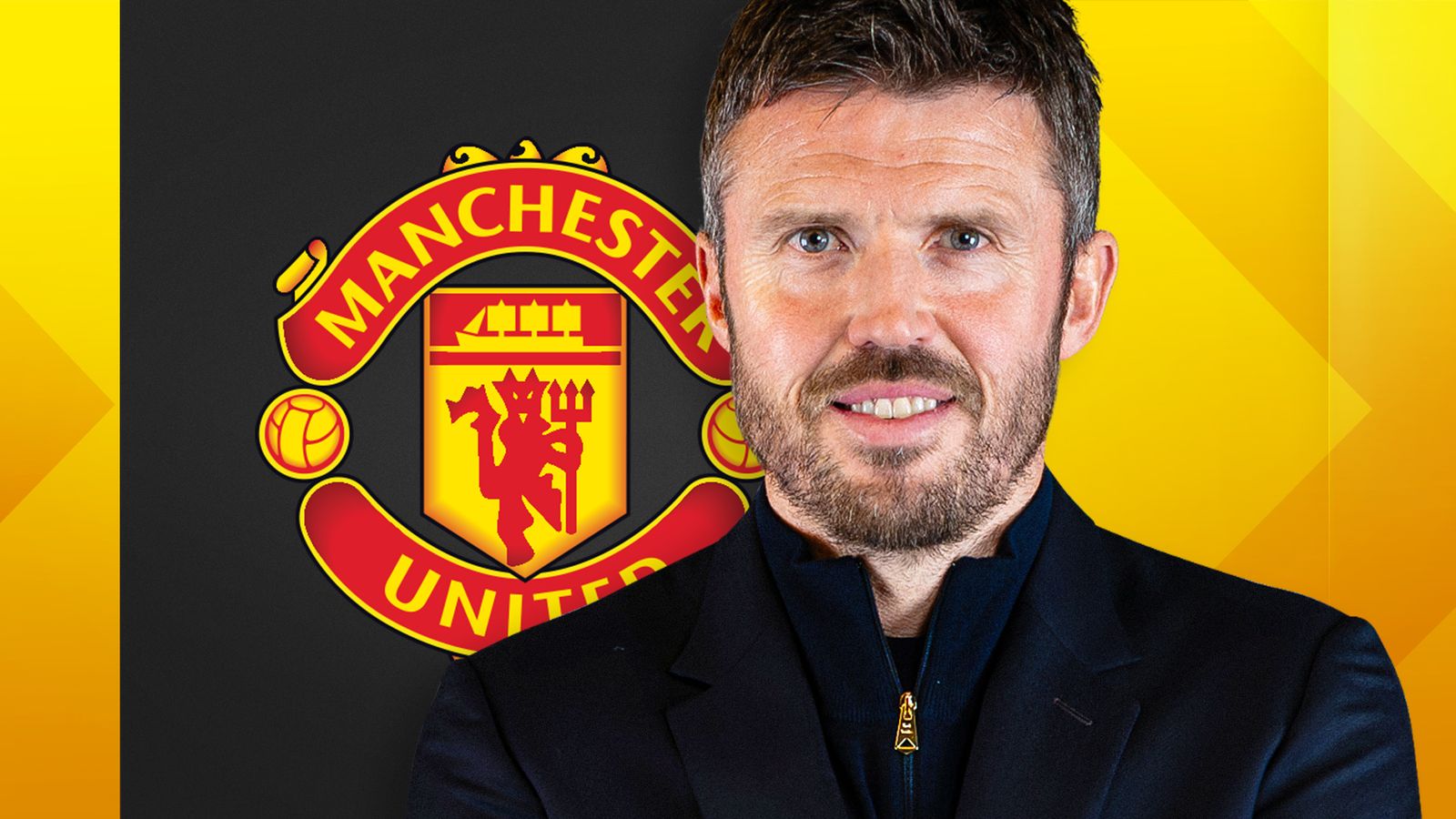
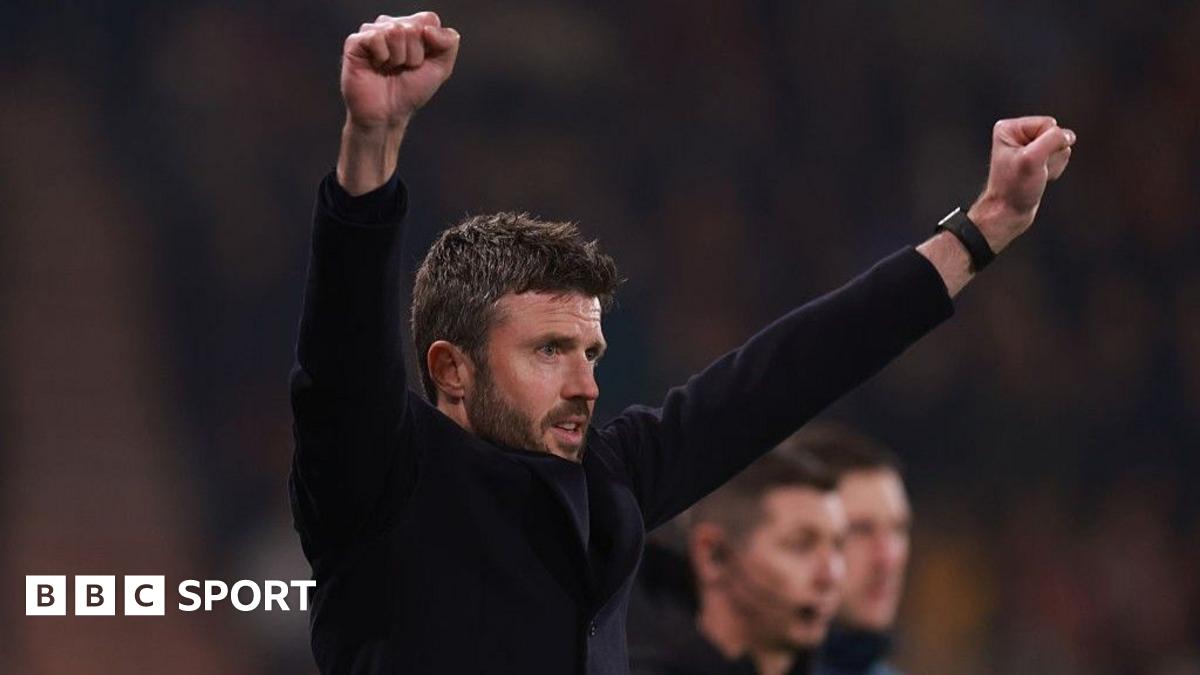
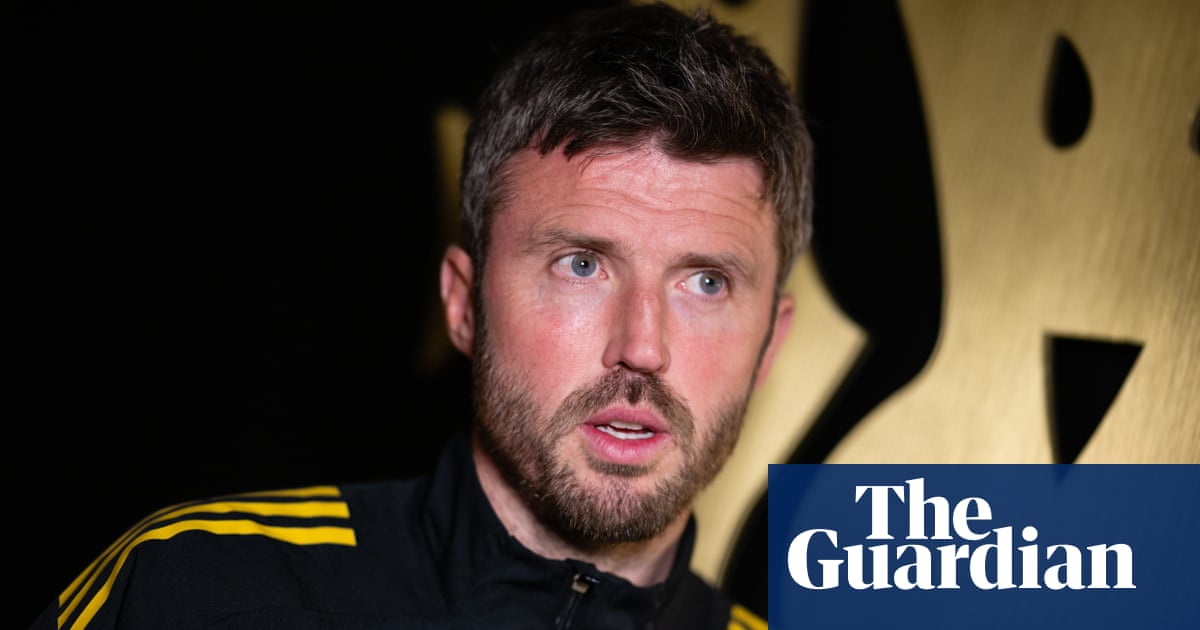
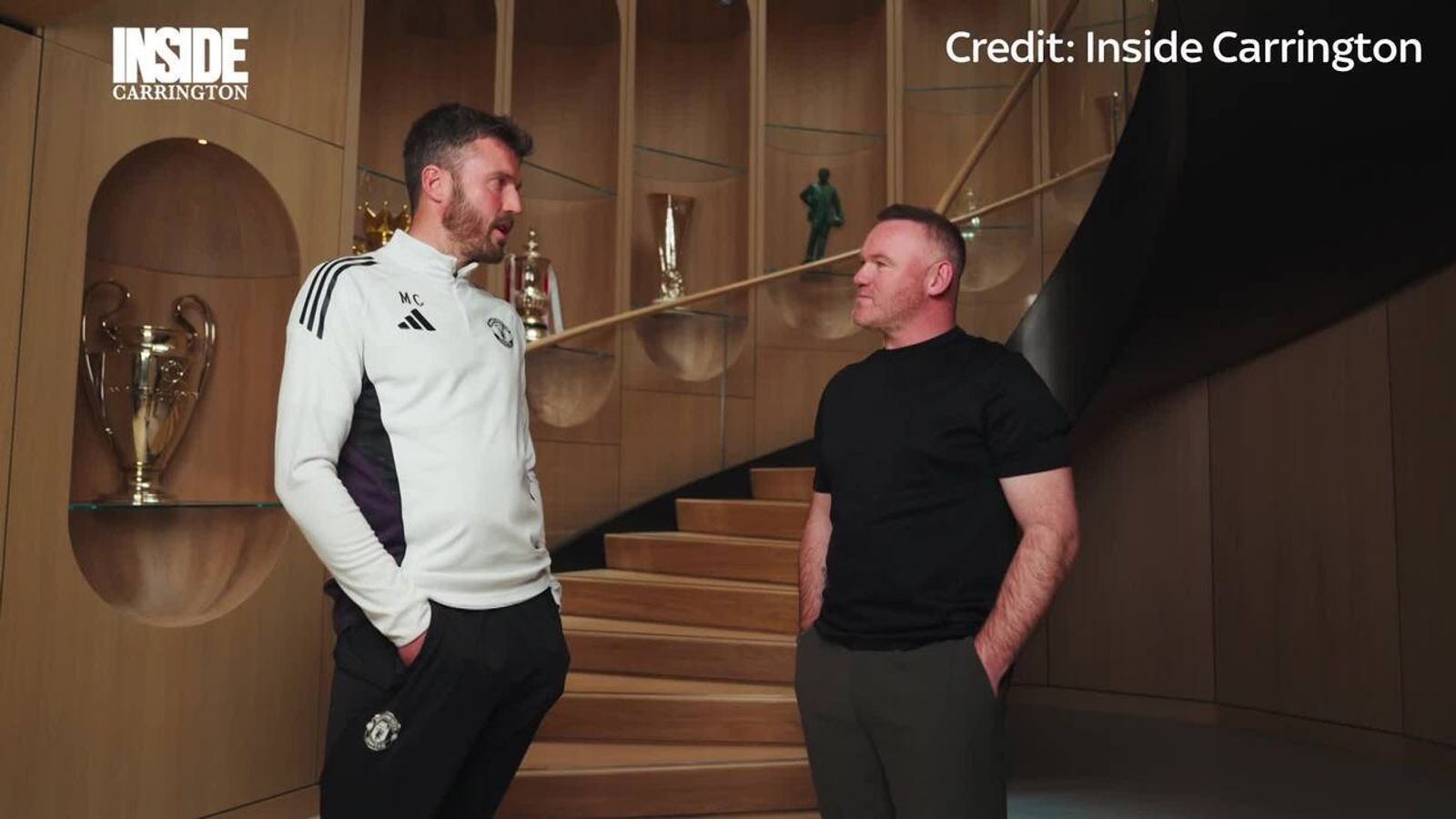
Wayne Rooney sat down with Michael Carrick for a revealing Sky Sports interview this week. The headline takeaway was the sheer absurdity of Carrick's hiring timeline. He was literally sitting on a beach in Barbados, sipping a drink and watching the waves, when the call came to take over the biggest job in English football.
It sounds like a Hollywood script. The reality has been far more clinical, calculated, and entirely devoid of romance. We are six days away from the Champions League final on May 28. Manchester United are not heading to the showpiece event because of passion, late-game heroics, or vague notions of club DNA. They are here because Carrick rewired the tactical brain of this football club from the ground up.
The contrast between the interviewer and the interviewee was telling. Rooney played off pure instinct. He was a force of nature who relied on raw power, technical genius, and aggression. Carrick was a processor. He saw the game in shapes, angles, and passing lanes. It makes perfect sense that Carrick is the one who successfully transitioned into elite management. Instinct cannot be taught. Structure can be drilled.
Rewiring the buildup phase
For years, United operated as a chaotic counter-attacking side. They relied on moments of individual brilliance to paper over massive structural cracks. Carrick killed the chaos. He installed a strict positional play system that uses the ball as a defensive weapon.
The numbers back this up. Under previous regimes, United routinely hovered around 52% possession. Over the last six months under Carrick, that number has spiked to a 61.8% average in league play. They do not just keep the ball for the sake of it. They use possession to manipulate defensive blocks and rest with the ball.
Look closely at how they build from the back. Carrick uses a hybrid 4-2-3-1 on paper, but it immediately morphs in possession. The left-back tucks inside to form a double pivot alongside the defensive midfielder. The right-back bombs forward to provide width. The right winger inverts directly into the right half-space.
This creates a rigid 3-2-5 attacking shape. It is not exactly a revolutionary concept. Pep Guardiola and Mikel Arteta have used similar structures for years. What makes Carrick's interpretation distinct is the tempo of the build-up. United do not suffocate teams with endless horizontal passing across the backline. They actively bait the high press.
They hold the ball under extreme pressure deep in their own third. The centre-backs stand completely still, studs on the ball. They wait for an opposition forward to commit and break the defensive shape. The exact second that trigger is pulled, United execute rapid, vertical, one-touch passing sequences to bypass the first line of pressure.
It requires immense technical bravery. You have to be willing to risk losing the ball in your own penalty area to reap the rewards further up the pitch. The goalkeeper has essentially become a third centre-back in these phases, tasked with firing line-breaking passes through tiny windows.
The glaring structural flaw
But this system has a weakness. No tactical setup is flawless, and Carrick's rest-defense is occasionally a complete disaster.
Because Carrick commits five men to the attacking line and leaves his two pivot players incredibly high to sustain the final-third pressure, the remaining back three are routinely isolated. When a team manages to cut out the initial vertical pass and spring a counter, United look hopelessly exposed.
We saw exactly this during their April collapse against Aston Villa. Villa entirely abandoned the high press. They sat in a compact, deep 4-4-2 block. They let United have the ball, waited for a loose pass in the final third, and bypassed the midfield with a single, direct ball over the top into the channels.
United conceded 1.85 xG from fast breaks in that match alone. If you bypass the initial counter-press, there is absolutely nothing but green grass between the halfway line and the United goalkeeper. Carrick refuses to drop his defensive line to compensate. The line stays high, and the centre-backs are forced into desperate foot races they cannot consistently win.
Out of possession, Carrick has instituted a rigid man-to-man pressing system high up the pitch. They do not employ a zonal block. The central striker triggers the press by curving his run to cut the pitch in half, forcing the opposition to play down one flank.
Once the ball is funneled wide, United squeeze the space. The winger jumps to the full-back, the central midfielder jumps to the pivot, and the full-back aggressively steps up to the opposition winger. It is high-risk, high-reward defending. When it works, they win the ball high and create immediate goal-scoring opportunities.
When it fails, it fails catastrophically. If a technical team manages to play through the wide trap, United are instantly bypassed. The center-backs are left isolated against pacy forwards in massive areas of open space.
Rooney pushed Carrick on this exact point during the broadcast. He asked how a player who relied so heavily on covering space and reading the game defensively could implement a system that leaves his defenders so exposed. Carrick essentially argued that the best defense is sustained pressure. If you keep the ball in the opposition's defensive third for 70% of the match, the center-backs only have to defend two or three transitional moments a game. You simply have to back your defenders to win those isolated duels.
The ultimate tactical collision
This exact structural vulnerability is what makes the upcoming final against Inter Milan so dangerous. Simone Inzaghi is a master of transition football. His 3-5-2 system is purpose-built to absorb pressure, survive sustained attacks, and ruthlessly punish teams who overcommit bodies forward.
Inter will not bother pressing United high. Lautaro Martinez and Marcus Thuram will drop deep, actively blocking the central passing lanes into United's pivot. They will force United's centre-backs to carry the ball into midfield, daring them to step out of their defensive structure.
Once United commit bodies forward and inevitably lose possession, Inter will spring the trap. Hakan Calhanoglu and Nicolo Barella are arguably the best midfield duo in Europe at picking up loose balls on the edge of their own box and launching immediate, devastating counter-attacks. Barella will look for Thuram running into the right channel, directly attacking the space vacated by United's inverted left-back.
Carrick knows this is coming. The tactical battle will be won or lost in how United manage the half-spaces against Inter's back five. Inter's wing-backs will aggressively track United's wide players. That leaves the responsibility of breaking down the block to the attacking midfielders making late runs from deep.
United desperately need to find a way to drag Alessandro Bastoni and Benjamin Pavard out of their comfortable defensive positions. You do this with underlapping runs. If the United winger stays as wide as possible, hugging the touchline to pin the Inter wing-back, the inverted full-back or the central midfielder has to make hard, penetrating runs into the penalty box.
It is a physically demanding strategy. It requires absolute precision in timing. If the run is too early, the space is congested. If the run is too late, the passing window permanently closes.
Set pieces will also be a major deciding factor. Inter are utterly lethal from dead-ball situations. Federico Dimarco's left-footed delivery is consistently brilliant, whipping the ball into dangerous areas with immense pace. United, conversely, have looked incredibly shaky defending inswinging corners all season.
Carrick has clearly prioritized open-play structural drilling over set-piece organization. It is a calculated, modern managerial risk. You spend your limited training hours on what you believe matters most. But major finals are rarely decided by sweeping team moves. A missed marking assignment in the 82nd minute could completely ruin months of meticulous tactical preparation.
The final verdict
We return to the surreal image of Carrick on the beach in Barbados. He did not actively campaign for this job. He was parachuted into a highly volatile, chaotic situation. He stabilized a sinking ship, ruthlessly evaluated the squad, and completely overhauled the tactical identity without asking for time or patience.
He removed the historic reliance on individual heroics. He installed a systemic machine that elevates average players and maximizes elite ones. It is a massive achievement just getting to May 28.
But moral victories mean absolutely nothing at this level of the sport. You are judged strictly by the silver you lift.
Inter Milan are the worst possible stylistic matchup for Carrick's side. They are pragmatic, cynical, and ruthlessly efficient in offensive transition. They will happily surrender 65% possession and expose the exact spaces United leave vulnerable behind their full-backs.
If United try to force the issue early, they will be caught out on the break. They need extreme patience. They need to circulate the ball safely, probe the edges of the Inter block, and avoid the overwhelming temptation to play the killer pass before the defense shifts.
Prediction: This will be a tense, highly tactical, and occasionally frustrating affair. Inter will defend deep and frustrate United for long stretches of the first half. But Carrick's build-up structures are too precise to be denied for 90 minutes. United will eventually manipulate the block, find a sliver of space in the right half-space, and snatch a 1-0 victory late in the second half.
Read Next