The Beach, the Booth, and the Dugout
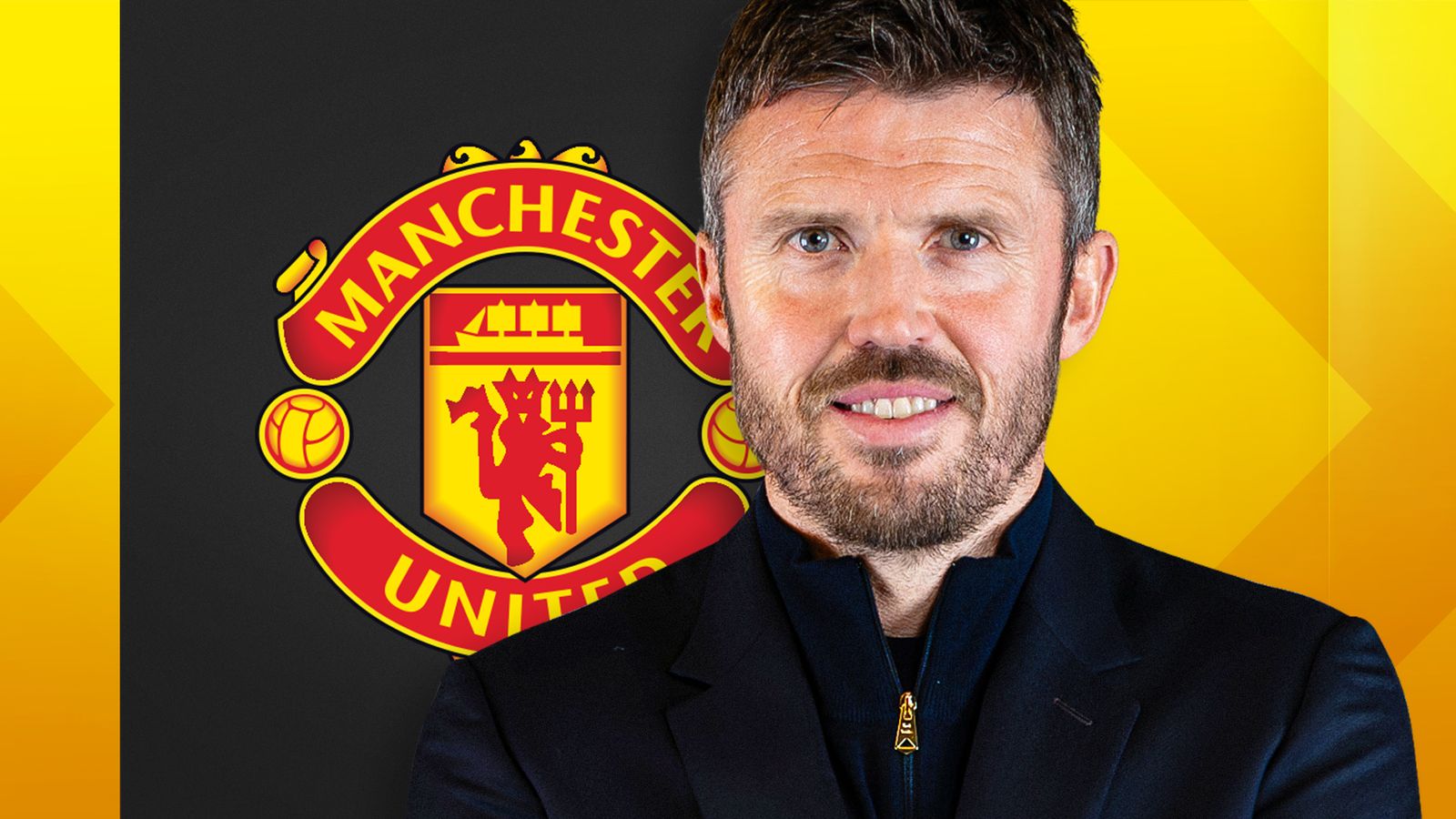
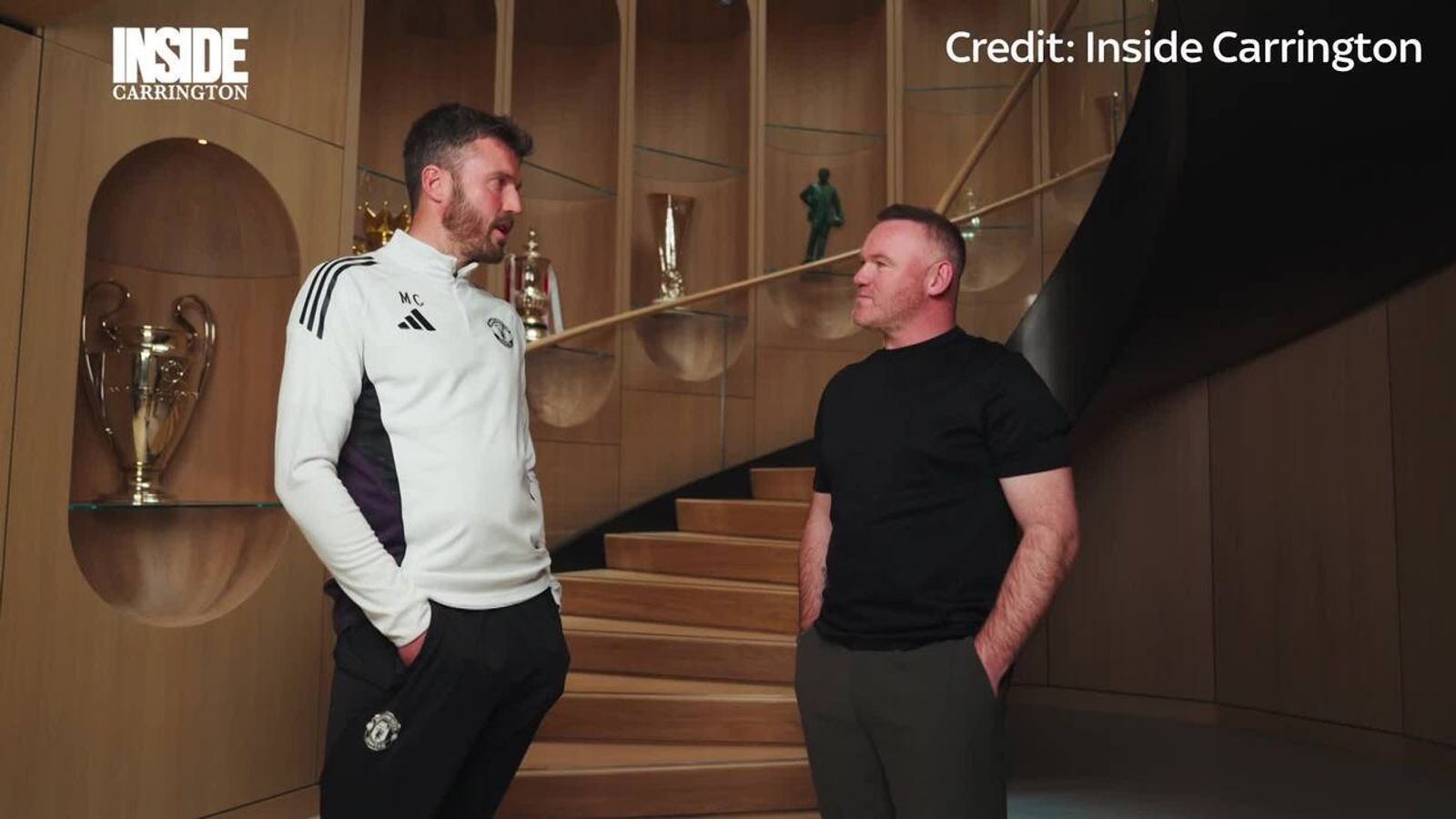
It started on a beach in Barbados. That was the anecdote Michael Carrick shared with Wayne Rooney on Sky Sports this week, tracing his unlikely path from Caribbean sand to the Old Trafford dugout. Most managers talk about grand masterplans or obsessive late-night scouting. Carrick talked about a quiet realization while on holiday.
He was miles away from the Manchester rain, completely detached from the Premier League grind, when the clarity hit him. The transition from player to coach is rarely smooth, but moving from the background to the main seat requires a massive mental shift. Carrick made that shift while staring at the ocean.
Rooney pushed him on it during the broadcast. The former striker wanted to know if Carrick always had that ruthless streak hidden beneath his calm exterior. Carrick just smiled. That smile tells you everything you need to know about the current state of Manchester United.
Do not let the relaxed origin story fool you. The Manchester United that will step onto the pitch for the Champions League Final on May 28 is anything but laid back. They are cold, calculated, and entirely uncompromising in their structural discipline.
For the past decade, United managers have chased shadows. Louis van Gaal wanted sterile control without penetration. Jose Mourinho wanted defensive attrition at the expense of attacking joy. Ole Gunnar Solskjaer wanted counter-attacking nostalgia. Erik ten Hag built a high-pressing transition machine that eventually broke down into a chaotic basketball team.
Carrick threw all of those blueprints in the bin. He has instituted a rigid, possession-based game model that values ball retention over vertical risk. He has stripped away the emotion of Old Trafford and replaced it with cold, hard control.
Fixing the Midfield Broken By Chaos
The most striking change Carrick made was addressing United's chaotic midfield. Under previous regimes, the center of the pitch was merely a transit zone. The ball was bypassed as quickly as possible to feed the forwards in open space.
Carrick, a man who built his entire playing career on dictating tempo from deep, refused to accept that premise. He slowed the game down. The days of Bruno Fernandes attempting low-percentage through balls within three seconds of regaining possession are completely over.
Instead, United now build in a clear 3-2-5 structure. Diogo Dalot inverts from right-back to sit alongside Kobbie Mainoo. This creates a highly technical double pivot that dictates the tempo and controls the center of the pitch against high-pressing teams.
Mainoo has been the biggest beneficiary of this system. Last season, he was tasked with covering massive spaces in transition, constantly sprinting backwards to plug gaps. Now, he operates within a tight radius, receiving the ball under pressure and linking the defensive line to the attacking midfielders.
With Dalot inside, the left-back pushes high up the touchline. This allows the left winger, usually Alejandro Garnacho, to drift inside into the left half-space. It is a shape heavily influenced by modern positional play, but Carrick has added a distinctly pragmatic edge when United lose the ball.
When possession is turned over, United do not press recklessly. They immediately drop into a compact 4-4-2 mid-block. They deny central space. They force the opposition wide and use the touchline as an extra defender, refusing to be drawn into high-risk pressing traps.
The Flaws in the Machine
This tactical shift is why they have reached their first Champions League Final in 15 years. They suffocate games. They bore the opposition into making mistakes, and then they strike with surgical precision.
But the system is not flawless. In fact, there is a glaring structural weakness that remains entirely unresolved. Carrick's insistence on inverting the right-back leaves massive vacant spaces in the wide defensive channels during defensive transitions.
If the initial counter-press fails, the center-backs are heavily exposed in 1v1 situations out wide. We saw this exact issue against Arsenal in April. Bukayo Saka repeatedly dragged Lisandro Martinez into the right channel, creating massive gaps in the penalty area for late runners.
Martinez is an elite defender, but defending wide spaces against rapid wingers is not his primary strength. He lacks the top-end recovery speed needed to track back when the high line is breached.
Furthermore, United's attacking metrics against deep, low blocks remain distinctly average. When teams refuse to press Mainoo and Dalot, United's build-up can become stagnant. They circulate the ball in a U-shape around the penalty area without penetrating.
They rely heavily on set-pieces or moments of individual brilliance from Garnacho to break the deadlock in these scenarios. Against elite defensive units, that lack of final-third unpredictability is a serious problem. It makes them predictable. It makes them defendable.
The Apex Predators Wait in Madrid
Carlo Ancelotti will have seen the tape. Real Madrid do not care about dominating possession. They are the apex predators of transition football, and they have the exact personnel required to dismantle Carrick's high-wire act.
When United push their fullbacks high or inside, Madrid will leave Vinicius Junior stationed high and wide on the left. Ancelotti will completely ignore the Brazilian's defensive duties, using him as a constant out-ball.
The moment Real Madrid win the ball, the first pass will be a diagonal laser into the space Dalot has vacated. It is a terrifying prospect for United fans. The tactical battle is straightforward: United's possession control against Madrid's devastating transitions.
Madrid thrive in the chaos that United are desperately trying to avoid. Ancelotti's men don't need a structured build-up to hurt you. They just need half a mistake. A heavy touch from Mainoo, a slightly misplaced pass from Martinez, and the trap springs.
United will need absolute perfection in possession. If Mainoo and Dalot can maintain an 88% pass completion rate under pressure, United can starve Vinicius of the ball. If they turn it over cheaply in the middle third, the game will be over by halftime.
The Midfield Battleground
The game will ultimately be decided in the center of the pitch. Real Madrid's midfield trio of Jude Bellingham, Federico Valverde, and Eduardo Camavinga possess an unmatched combination of physicality and technical excellence.
Valverde's role will be pivotal. He is the ultimate engine room. Ancelotti will likely task Valverde with pressing Dalot when the Portuguese defender steps into midfield. Valverde has the stamina to press for 90 minutes and the pace to recover if he is bypassed.
If Valverde can disrupt Dalot's rhythm, Mainoo will be isolated. And an isolated holding midfielder against Jude Bellingham is a recipe for disaster. Bellingham will operate in the pockets of space behind the United pivot, waiting for the split-second Dalot steps out of position.
Carrick has a massive decision to make regarding his third midfielder. Does he start Mason Mount for his pressing intensity, or does he opt for Christian Eriksen for superior ball retention? Against Madrid's physicality, Mount feels like the only viable option, but his passing range limits United's ability to switch play quickly.
This is where the tactical chess match gets fascinating. Carrick knows Madrid want United to have the ball. Ancelotti knows Carrick knows. Does United deliberately lower their defensive line to nullify the transition threat, sacrificing their core philosophy in the biggest game of the year?
It is a massive gamble. Lowering the line invites pressure. It gives Bellingham and Camavinga the space to dictate the game on their terms. But keeping the line high risks exposing Martinez to foot races with Vinicius.
The Final Verdict
Carrick has done a remarkable job stabilizing a fractured club. He has made them serious again. The fact that he was chatting with Rooney about his journey from a Barbados beach to a European final is proof of his rapid, undeniable rise.
He has restored pride and implemented a coherent tactical identity. That is a massive achievement. But tactical coherence only gets you so far when you are up against the sheer individual brilliance of Real Madrid in a final.
Real Madrid have an aura in this competition. They do not panic when they are out-possessed. They do not lose their shape when they are pinned back. They absorb pressure like a sponge, wait for the opposition to tire, and then execute with terrifying efficiency.
Carrick's system will allow United to dominate the ball for the first 30 minutes. They will look comfortable. But comfort is an illusion against Real Madrid. The Spanish giants have made a living out of convincing opponents they are safe right before slitting their throats.
United have come a long way, but this final feels like a step too far, too soon. The tactical setup is rigid, but the personnel are still learning the nuances of high-level European control. Expect Madrid to sit deep, absorb the sterile possession, and strike ruthlessly on the break.
A turnover in midfield, a rapid transition from Valverde to Vinicius, and the net will bulge. Ancelotti will raise an eyebrow, and Madrid will lift another trophy. Real Madrid win it 3-1.
Read Next
- Marcus Rashford's £131m swap proposition and the brutal United rebuild
- Arsenal’s Champions League final prep overshadowed by injury crisis
- Pep Guardiola is walking away this weekend, and Manchester City are not ready
- Why Mo Salah is suddenly questioning Arne Slot's tactical setup
- ⚽ La Liga 2025-26 — Title Race Hub
- ⭐ UCL 2026 — Champions League Quarter-Finals Hub