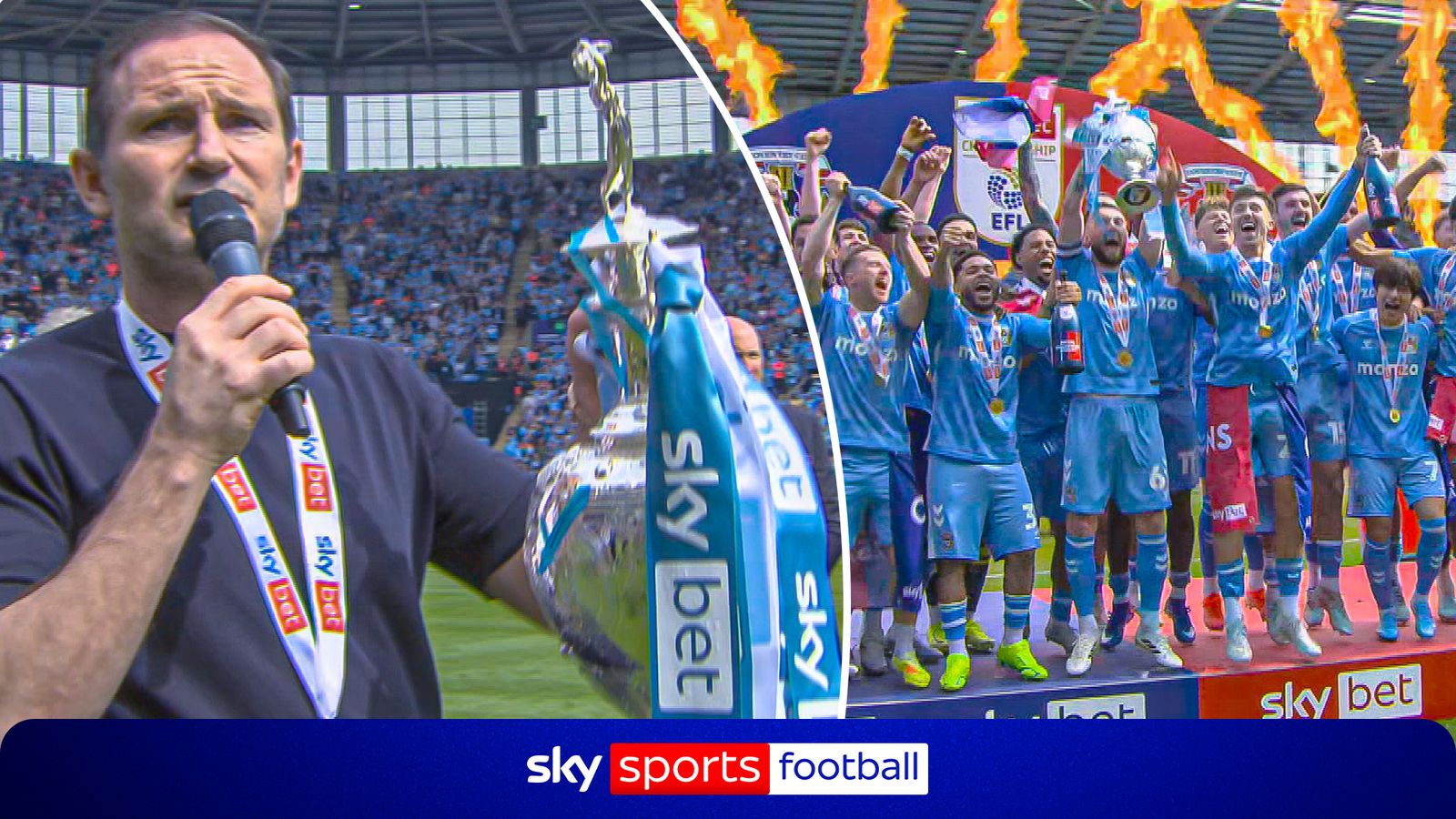
Promotion secured despite the mounting physical toll
Cardiff City confirmed their return to the Championship yesterday, dismantling Reading 3-1 to secure promotion. The clinching result serves as a high point, yet the post-match scenes inside the dressing room hinted at a growing injury count that needs management ahead of the summer break. The squad has navigated a grueling League One campaign, but the physical attrition is becoming difficult to mask.
Key personnel are now undergoing assessments following the high-intensity clash at the Select Car Leasing Stadium. Staff were notably conservative with substitution patterns during the final twenty minutes as several starters requested trainers during the closing stages. Playing two high-stakes away fixtures within a tight window has tested the limits of the starting XI’s endurance.
Evaluating the recovery timeline
The medical team has categorized the current issues as fatigue-related soft tissue strains. While none of the primary starters face long-term layoffs, the lack of depth in the final third means even a minor calf or hamstring issue could sideline a player through the early stages of preseason training. Management is already planning to hold some individuals out of the final celebratory matches to prevent setbacks.
History shows that promoting clubs often ignore minor knocks during the euphoria of a title race, only to pay the price in late-summer conditioning. Managers who rely on the same core for 40+ games usually see their fitness base erode by the time they reach the next division. Cardiff's coaching staff is now prioritizing active recovery rather than on-field tactical drills for the next fortnight.
The strategic burden for Cardiff
Operating a squad hit by late-season attrition limits the ability to test bench players before the transfer window opens. Every minute missed by a starter is a minute spent without the data needed to evaluate whether they can handle the step up into the Championship. This is the danger zone for smaller clubs; they lack the luxury of rotating heavily once the promotion is mathematically sealed.
Missing training sessions is particularly damaging for younger players seeking to establish themselves before the club targets external signings. The objective now shifts from winning matches to maintaining physical integrity. Any long-term absence caused by poor management in these final weeks would represent a significant oversight by the backroom staff.
Tactical friction and squad constraints
Observers have pointed to the narrow margins in Cardiff's system, which relies on consistent pace in the wide channels. When those players are restricted by injury, the entire attacking structure becomes predictable and slow. Relying on a rigid formation has been effective in League One, but the championship jump demands more tactical flexibility.
Failure to integrate younger squad members now means the team enters July with a thin unit. While the fans are rightly celebrating the result as noted by BBC Sport, the analytical view remains cautious. Securing the win was the priority, yet the physical cost of the promotion push is now the primary concern for the technical director.
The club has not released a formal list of the afflicted, though team sources suggest that fatigue affected nearly thirty percent of the starting group during the second half in Reading. Following the match, the manager opted to limit contact drills. This focus on preservation is essential given the jump in intensity required for the second-tier division.
Contextualizing the season’s grind
Cardiff has navigated a difficult period to reach this position. The club finally turned around a series of lean seasons to reach the 3-1 final scoreline that ended their League One tenure. Avoiding injuries during the celebratory period is difficult, but the medical staff is enforcing a strict curfew on physical activity for the next four days to ensure stability.
As Sky Sports reported, the efficiency of the offensive transition was the difference-maker throughout the campaign. Maintaining that speed in August depends entirely on the health of the current squad. If they enter the preseason with lingering issues, they will be forced to chase fitness rather than tactical development.
Management must now decide who will play in the final ceremonial fixtures. It is a classic dilemma for a coach: play the heroes and risk the fitness of the roster, or sit them and risk losing rhythm. Given the upcoming demands of the Championship, the safer bet is to turn to the bench early and often, even if it disrupts the current promotional momentum.
Read Next