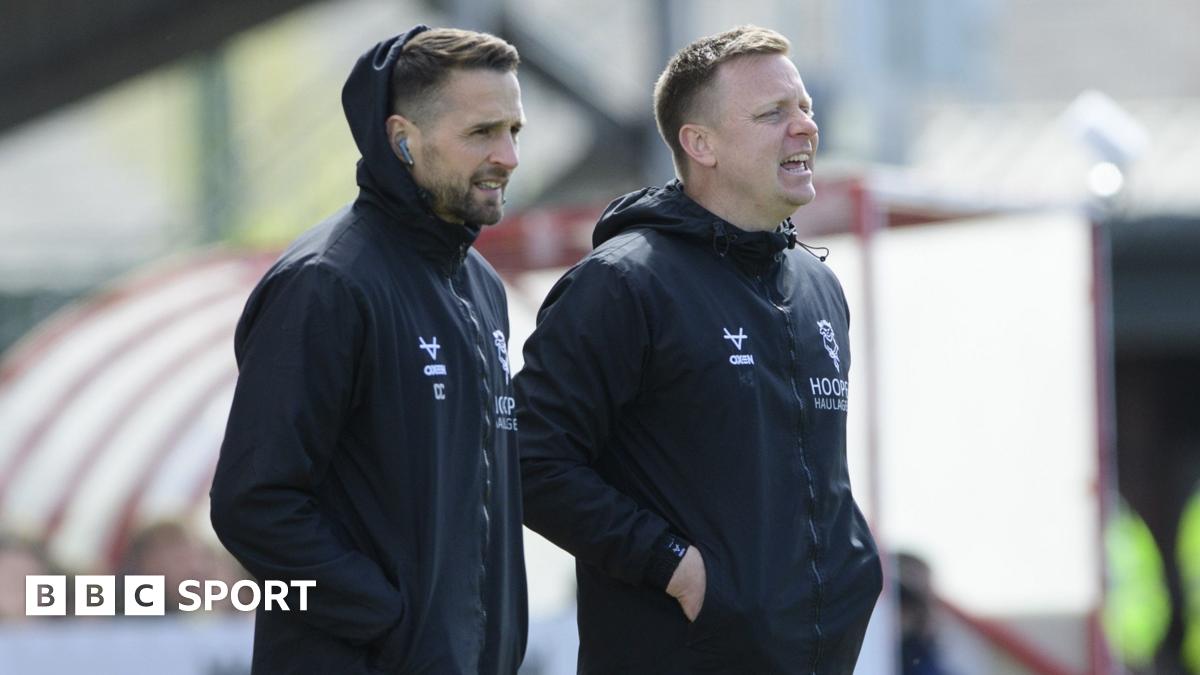
The statistical reality of the Carlisle transition
Carlisle United enters a new phase on May 28, 2026, following the appointment of Rob Elliot. The club moved to replace Mark Hughes after a period of instability that saw the team struggle to translate possession into meaningful territory. The primary objective for Elliot is reversing a downward trajectory in expected goals (xG) metrics from the previous campaign.
Analyzing the Gateshead blueprint
Elliot’s tenure at Gateshead was defined by a commitment to high-press possession, often pushing defensive lines deeper into the opposition half. During his most productive spell, Gateshead maintain a ball-retention average of 58.4%, a figure significantly higher than the average for clubs operating at a similar level. This statistical profile suggests a radical shift from the direct style employed by his predecessor.
Identifying the regression risks
However, the transition comes with a glaring deficiency that supporters must weigh against the promise of tactical sophistication. Elliot’s teams frequently surrendered high-quality transition opportunities, ranking in the bottom quartile for shots conceded off turnovers. In the 2025-26 window, Gateshead allowed an average of 1.42 goals against per match despite their dominant share of the ball.
This is where the Carlisle project could hit a wall. Defensive solidity was already suspect, and moving from a conservative structure to an expansive one inherently introduces high-variance outcomes. The team managed only 10 clean sheets across the entire domestic schedule, pointing to a systemic inability to handle counter-pressing setups. If Elliot fails to mitigate the space left behind his fullbacks, the technical gains in the final third will be neutralized by defensive liability.
Metric-driven expectations
The numbers indicate that Carlisle requires more than just a change in philosophy; it needs a refinement in personnel profiles. The current roster lacks the natural pace in the back four to sustain an aggressive line. Unless the recruitment team targets high-recovery-rate center backs, the 15% increase in expected goals conceded that followed similar tactical shifts in comparable leagues serves as a warning sign.
Ultimately, the move to hire Elliot reflects an appointment confirmed this week as the club attempts to pivot away from the stagnation under Hughes. Whether the squad can execute the transition remains a point of skepticism. The manager brings high tactical ceiling, but his previous record suggests that total defensive collapse is a persistent threat to his approach.
Read Next
- Arsenal face a legacy-defining night under the lights in Munich
- Tonight is the last stand for the Champions League old guard
- Arsenal and City dominated the stats, but individual anomalies defined 2026
- Arsenal's transformation from fan protests to title glory
- ⚽ EFL League Two 2025-26 — Promotion Race & Play-Off Final Hub