The Big Picture: Brunton Park in Flux
Carlisle United has spent the 2025-2026 season walking a tightrope between professional stability and total structural collapse. The club’s failure to secure promotion from the National League has forced a hard reset at the very top of the football operations staff.
The Ten Defining Moments
1. Mark Hughes exits the building. The decision for the head coach to leave by mutual agreement following the play-off failure signalled that the club's board had finally lost patience. After months of mounting pressure, the departure of Hughes was the only way to appease a fanbase demanding accountability for the stagnation.
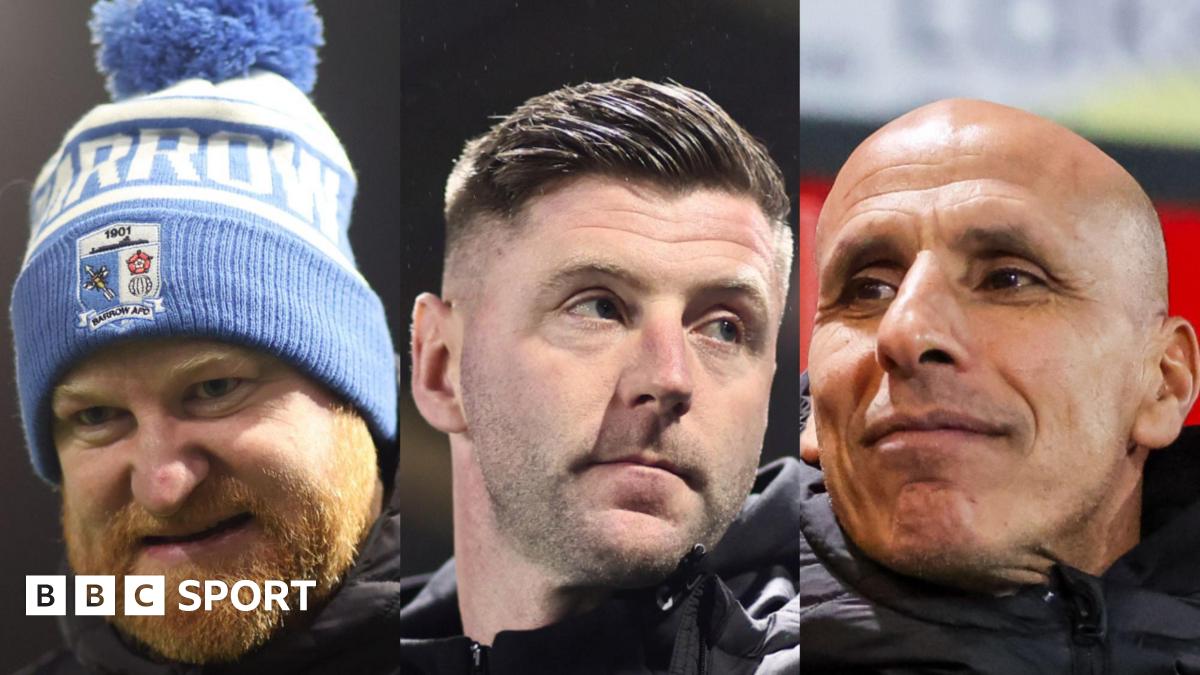
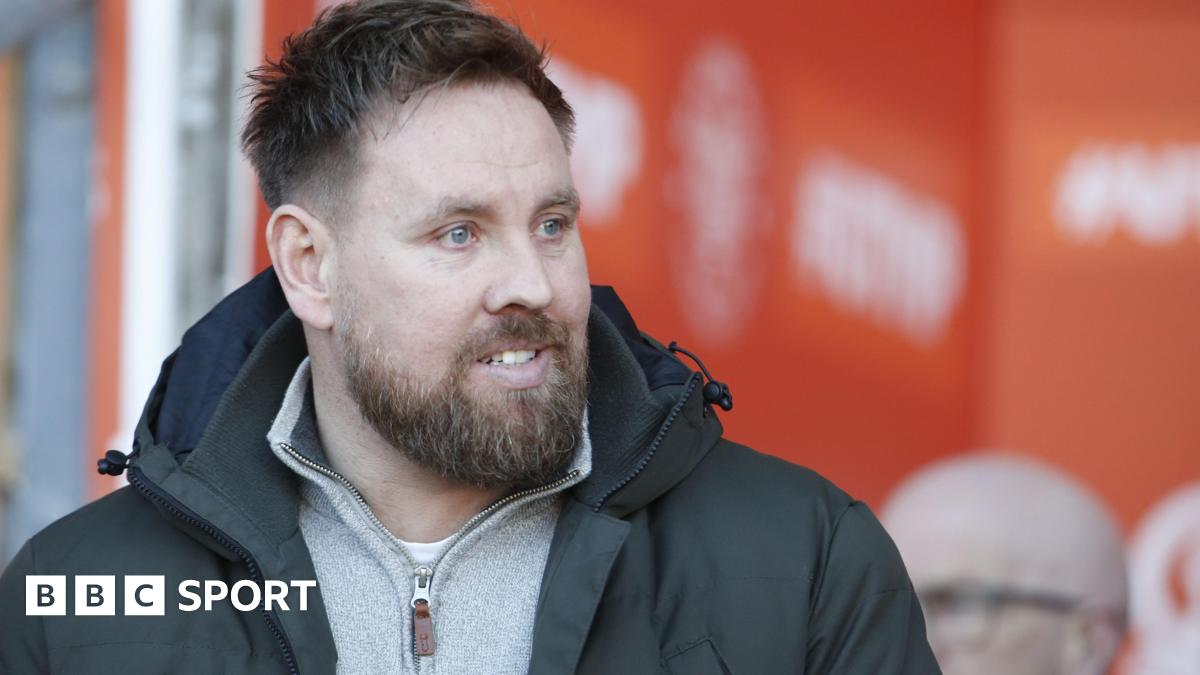
2. The appointment of Rob Elliot. Bringing in the former Gateshead manager is a high-stakes gamble that prioritizes tactical identity over pedigree. As reported via the BBC coverage, Elliot was selected specifically to overhaul an aging squad that looked devoid of energy during the closing weeks of the season. The speed of this transition highlights how desperate the ownership was to avoid a vacuum of power before the summer transfer window.
3. The National League Play-off defeat. This loss remains the singular defining failure of the current era. It was not just the result, but the manner of the collapse, as the side failed to muster a single shot on target during the final thirty minutes of regulation time. The tactical rigidity shown in that final knockout game remains the primary reason for the subsequent staff turnover.
4. The failure to address defensive fragility. Throughout the campaign, the backline consistently conceded soft goals to lower-table opposition. Conceding an average of 1.4 goals per match over the final quarter of the season proved to be the ultimate anchor on their promotion aspirations. Neglecting the center-back rotation during the January window remains an objective failure of the recruitment team.
5. The stagnation of the youth pipeline. While the academy is often praised, the 2025-2026 season saw a noticeable drought in senior team integration. Prospects who showed promise in pre-season friendlies were consistently overlooked in favor of veteran journeymen who offered very little output. This lack of a clear path to the first team has begun to frustrate the local support base.
6. The home form dip at Brunton Park. For much of the spring, the home crowd was treated to a brand of football that was static and predictable. Winning only one of their last five home fixtures effectively ended any lingering hope of finishing in the top three. The atmosphere became increasingly toxic, reflecting the disconnect between the players on the pitch and the supporters in the stand.
7. The January recruitment pivot. The decision to bring in three veterans on short-term contracts resulted in diminishing returns. These players failed to hit the ground running, and their wages clearly strained the existing salary structure. It remains a questionable strategy to prioritize short-term fixes over long-term cohesion when promotion is not guaranteed.
8. The midfield tactical shift. Moving from a double-pivot to a single defensive midfielder in March was intended to spark creativity. Instead, it left the center of the pitch completely exposed to counter-attacking moves. Opposing teams exploited this gap in six consecutive matches by targeting the space left behind by the attacking fullbacks.
9. The tactical discipline of the forwards. The strikers’ reluctance to press the opposition’s backline allowed opponents to build from the back with zero resistance. A lack of intensity in the final third directly contributed to the drop-off in scoring late in the season. Statistics show that the conversion rate plummeted by 12% following the turn of the year.
10. The lack of leadership in the dressing room. Despite the experience present in the squad, the team consistently crumbled after conceding the opening goal. A total lack of a vocal on-field captain meant the squad lacked guidance during high-pressure segments of the playoff run. This is a cultural issue that Rob Elliot must prioritize if he expects to turn the club’s fortunes around in the coming calendar year.
Honorable Mentions
The late-season goalkeeping injury crisis certainly didn't help matters, nor did the unfortunate pitch conditions at the start of the winter months. However, these are merely symptoms of a larger lack of depth. Carlisle management will need to be significantly more aggressive this summer to keep these issues from repeating.
Read Next