Carragher Charts New Course with Marine
Liverpool legend and Sky Sports pundit Jamie Carragher has announced a surprise career move, revealing a new, deeper involvement with non-league side Marine FC. The former Reds defender, long a fixture in top-tier football analysis, declared a "clear vision" for his future, shifting focus towards the local club he has passionately supported from the stands.
Carragher, a Bootle native who still resides near the club, has closely tracked Marine's impressive ascent to the National League North, the sixth tier of English football. His decision to formalize his role beyond mere fandom signifies a significant commitment, one that will undoubtedly elevate the profile of the Merseyside club. The announcement has sent ripples through both the football punditry world and the lower leagues, where a figure of Carragher's stature can bring unprecedented attention and potential investment.
“A clear vision.”
While the precise nature of Carragher's new position remains somewhat undefined in the initial reports, the implication is one of significant influence. This move departs from the typical post-playing career path of many top-flight professionals, who often gravitate towards high-profile coaching, management, or media roles exclusively at the elite level. Carragher's dedication to his local community club, Marine, highlights a genuine connection that transcends commercial opportunity, yet it also raises questions. Balancing his continued Sky Sports commitments with a hands-on role at Marine, even in an advisory or director capacity, presents a unique challenge, potentially stretching his focus thin across disparate footballing worlds. Moreover, for a prominent pundit to align so closely with a specific club, however small, could lead to perceptions of bias, a criticism often leveled at former players.
Wenger's 'Crazy' Call in Arsenal's Double Season
An unnamed Arsenal legend has offered a candid retrospective on the club's iconic 2002 double-winning campaign, revealing a moment of personal frustration with manager Arsene Wenger. The Gunners secured both the Premier League title and the FA Cup that season, a monumental achievement capped by clinching the league at Old Trafford. However, the path to glory was not without its internal tensions, particularly regarding Wenger's squad selections for the critical FA Cup final.
The player openly admits to thinking Wenger's decision to omit him from the FA Cup final starting XI was "crazy." This insight provides a rare glimpse into the immediate emotional impact of a manager's tactical choices on even the most experienced professionals. While the team ultimately triumphed, and an "unforgettable night days later" cemented their legacy, the initial sting of being overlooked for such a prestigious match clearly lingered for the player.
“I thought Arsene Wenger was crazy for not playing me in the FA Cup final, but we had an unforgettable night days later – we climbed a mountain that year.”
Wenger was renowned for his unwavering belief in his own judgment and a meticulous approach to player management. His decisions, often bold and sometimes controversial, frequently paid dividends, as evidenced by Arsenal's sustained success during his tenure. This particular omission, however, underscores the often-fraught relationship between a manager's strategic vision and a player's personal ambition, especially in high-stakes fixtures. Despite the eventual collective triumph, the individual disappointment of a player, even a legendary one, speaks to the immense pressure within elite football. It suggests that even successful coaches sometimes make calls that, while justified by results, initially feel like a slight to those directly impacted, reminding us that every strategic decision carries a human cost.
Brian Clough's Unpredictable Tests
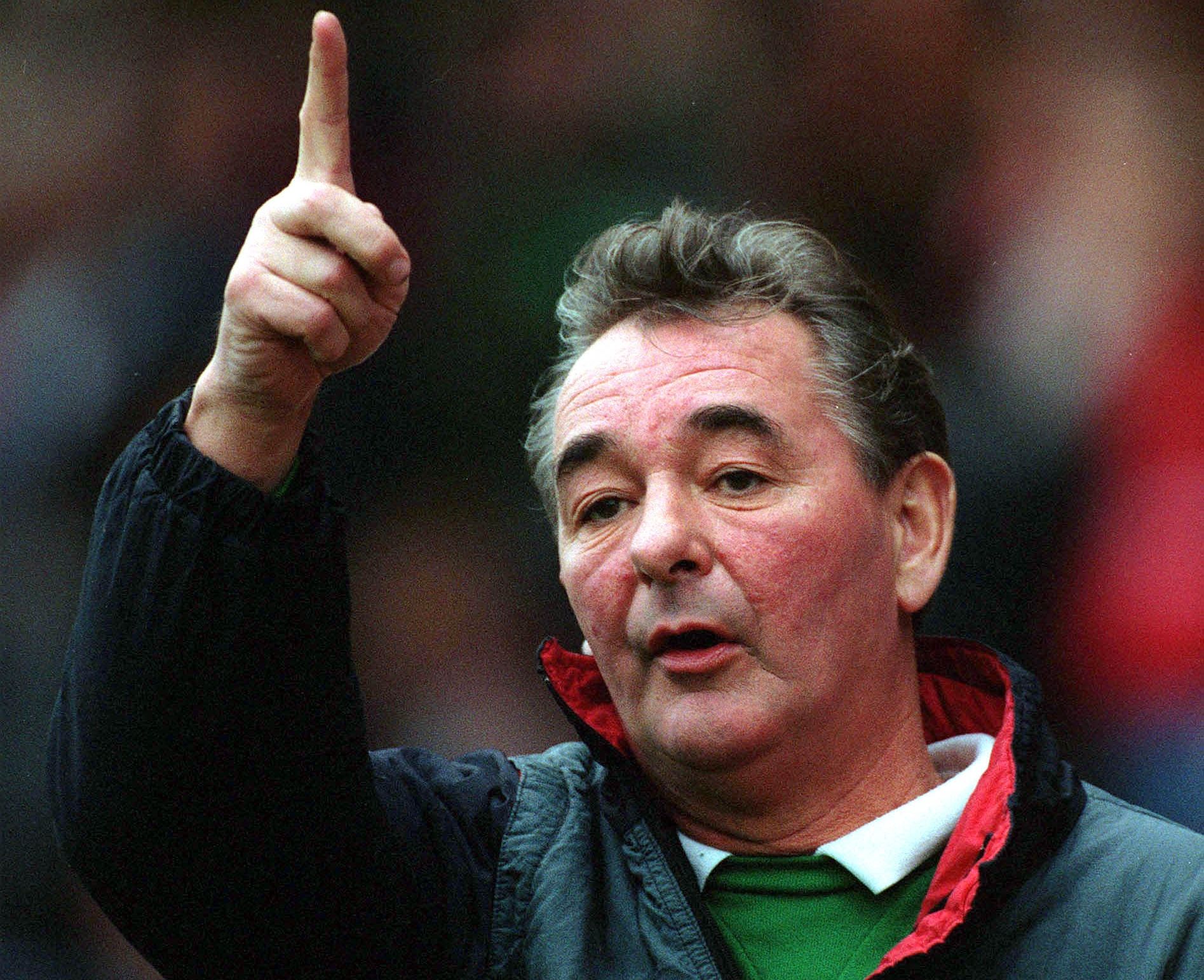
The legendary, mercurial Nottingham Forest manager Brian Clough was known for his unconventional, often bizarre, methods of testing and inspiring those around him. A broadcast professional, recalling his early career days, shared a revealing anecdote that perfectly encapsulates Clough's unique brand of charisma and psychological game-playing. The TV ace recounts a memorable encounter where Clough deliberately created a moment of physical and mental challenge, highlighting the manager's constant probing of character.
According to the commentator, Clough once approached him, feigned a stumble, and then deliberately shoulder-charged him in the chest. This seemingly aggressive act was, in the words of the recipient, a deliberate "test." It was a demonstration of Clough's innate desire to gauge an individual's reaction, their resilience, and their spirit, even outside the direct confines of the football pitch. Such incidents were not isolated, painting a picture of a manager who constantly assessed and challenged everyone within his orbit.
“Brian Clough walked across to me, pretended that he tripped and shoulder-charged me right in the chest – he’d always test you, but he was so charismatic.”
Clough's approach, while undeniably effective in forging formidable teams like his two-time European Cup-winning Forest side, also reveals a demanding and almost intimidating facet of his personality. This style, which might be deemed highly unorthodox, if not inappropriate, by today's standards, was nonetheless integral to his magnetism. He challenged players, staff, and even media personnel, constantly pushing boundaries to extract what he perceived as their true character. His charisma wasn't just about charm; it was about an intense, almost confrontational energy that drew people in, demanding their best, even through unexpected physical encounters. This anecdote serves as a potent reminder of an era when managerial authority often manifested in deeply personal, and sometimes bewildering, interactions that would be headline news today.
The Enduring Impact of Football Personalities
These revelations from football's past and present underscore the multifaceted nature of the sport's most influential figures. Jamie Carragher's pivot to Marine reflects a deep-rooted passion for grassroots football, yet also presents a complex navigation of loyalties and potential conflicts in his media career. His choice highlights the evolving post-playing landscape, where former stars seek meaningful engagement beyond the immediate glare of top-flight punditry, though the exact impact on his public perception remains an open question.
Arsene Wenger's command during Arsenal's double season, and the player's candid recollection of feeling overlooked, illustrates the high-stakes environment where managerial decisions are constantly scrutinized, both externally and internally. The manager's authority to make difficult calls for the collective good, even at the cost of individual player happiness, is a recurring theme in football history. It showcases that even in moments of ultimate triumph, there are always underlying narratives of personal sacrifice and disappointment.
Finally, Brian Clough's eccentric methods, as recounted by the broadcast professional, offer a glimpse into a bygone era of football management where the line between mentor and provocateur was often blurred. His unique charisma was inextricably linked with his unpredictable nature, forging a legacy that continues to fascinate and challenge conventional notions of leadership. These stories, spanning different eras and roles, collectively paint a vibrant picture of the personalities that define football, their enduring impact, and the complex human dynamics beneath the surface of the beautiful game.
Read Next
- Football is addicted to VAR outrage and it's never going away
- City are right where they want Arsenal — sweating on the final day
- Arsenal's £200m transfer block guarantees a nightmare against Aston Villa
- Arsenal's midfield rethink: Why Declan Rice is facing the exit door
- 🏆 FA Cup Final 2026 — May 16, Wembley