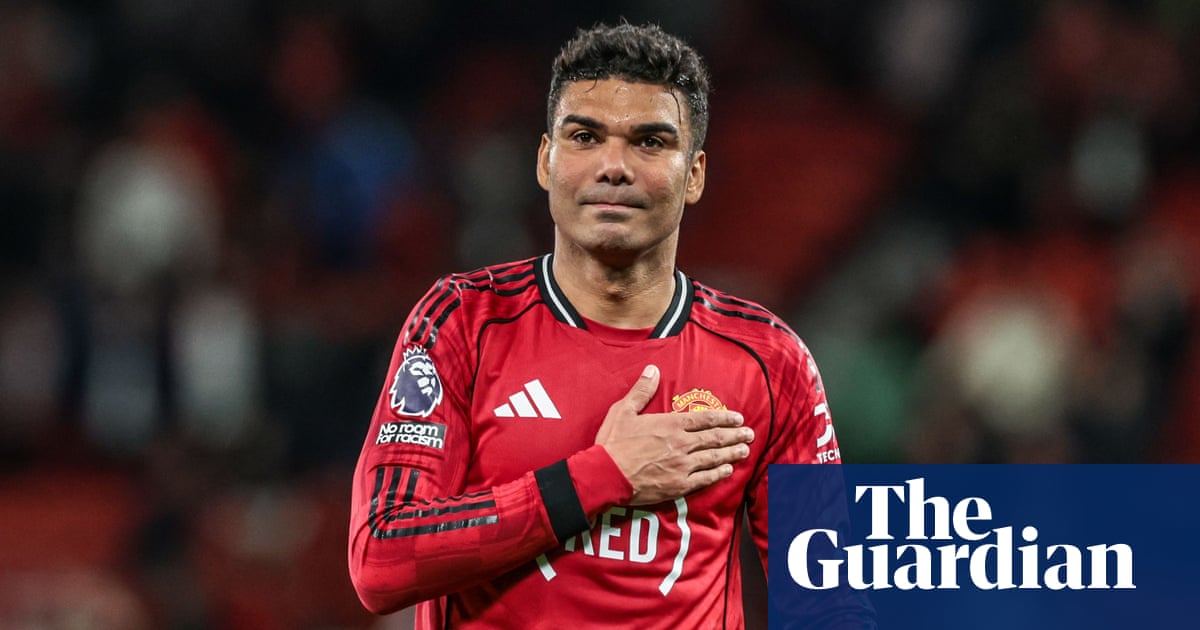
United dodge a late scare to keep the European dream alive
Manchester United are finally starting to look like a team with a coherent tactical identity under Michael Carrick. The 2-1 victory over Brentford at Old Trafford wasn't just about the three points; it was a snapshot of where this project stands. For sixty minutes, United controlled the zones, squeezed the Bees' vertical passing lanes, and looked like a top-four side in waiting.
Casemiro opened the scoring with the kind of vintage late-box entry we haven't seen consistently for eighteen months. Then Benjamin Sesko, who is rapidly becoming the focal point of everything good about this attack, doubled the lead. It looked comfortable, almost routine, until the familiar ghosts of the post-Ferguson era returned to haunt the final ten minutes.
The Bees clawing one back late on forced United into a frantic, low-block survival mode. As reported by the Daily Mail, Carrick's men had to dodge significant late pressure just to secure the win. It was a reminder that while the starting XI has found its rhythm, the structural integrity of the squad remains paper-thin when the starters tire.
The Benjamin Sesko transformation
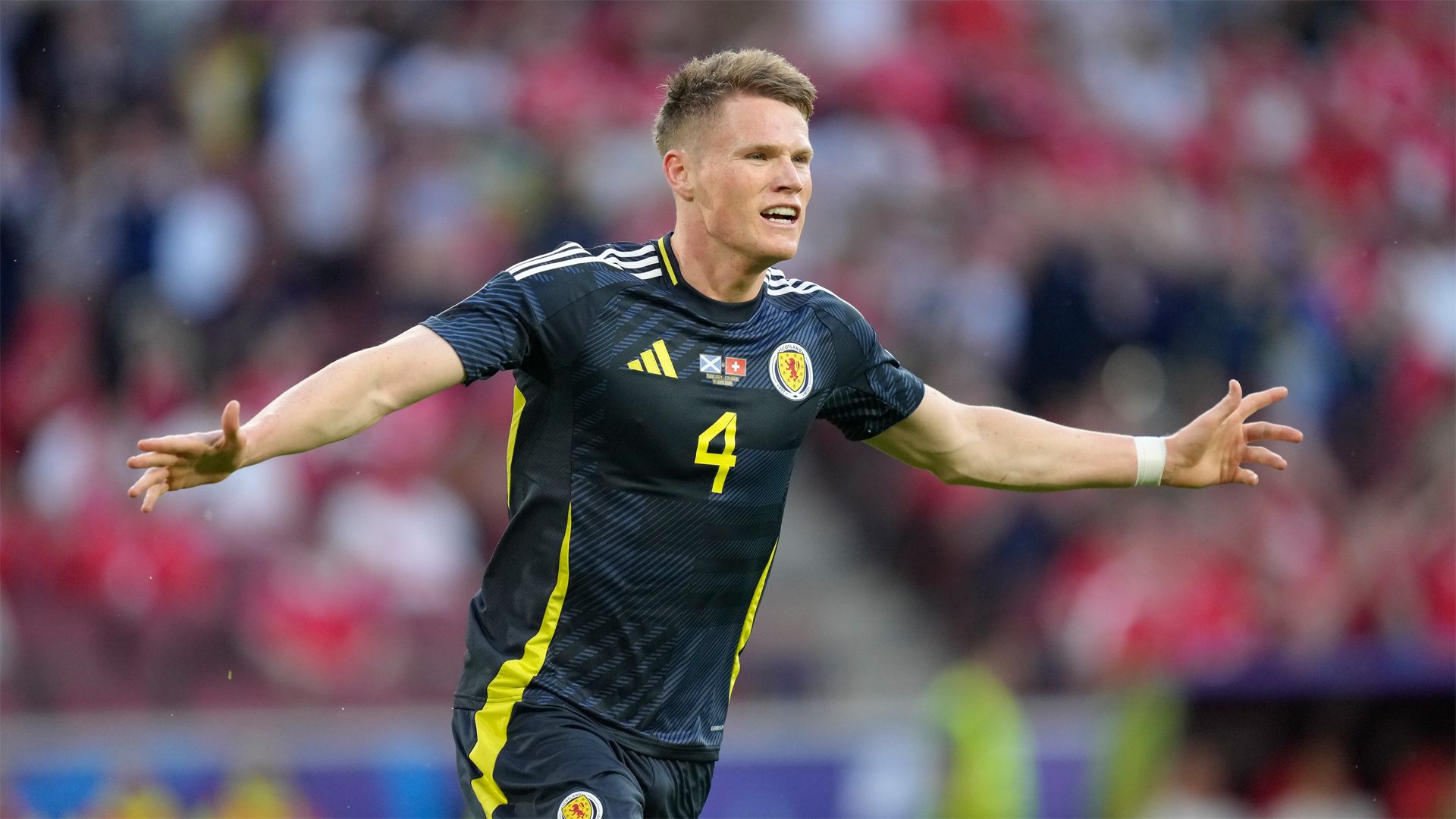
Sesko is no longer just a high-potential project player; he is the engine of the United press. His goal against Brentford showed a level of composure that was missing in his early months at the club. He doesn't just wait for service; he creates space by dragging center-backs out of position with clever lateral runs.
The Slovenian striker has become a vocal leader on the pitch, which is rare for a player of his age. After the match, he was quick to shift the focus away from his own performance and toward the departing veteran in midfield. Sesko has been vocal about how much the younger players owe to the Brazilian’s presence in the dressing room.
As The Guardian noted, Sesko described Casemiro as a "working machine" whose influence extends far beyond the ninety minutes on the pitch. This endorsement of the veteran's work ethic is a damning indictment of the standards that existed at Carrington before Carrick took over. If the club’s star striker is this worried about a 34-year-old leaving, the recruitment team should be sweating.
The Casemiro paradox and the looming summer vacuum
United and Casemiro have agreed not to trigger the extra 12 months in his contract, meaning he walks away for free next month. On paper, letting a high-earner on the wrong side of thirty leave makes total sense for the wage bill. But on the pitch, Casemiro remains the only player in the squad who understands how to manage the tempo of a Premier League game.
The Brazilian’s stats from the Brentford game tell the story. He won 80% of his ground duels and recorded a pass completion rate of 88% in the final third. He isn't the box-to-box destroyer he was at Real Madrid, but he has evolved into a deep-lying playmaker who knows exactly when to commit a tactical foul. Without him, United’s midfield looks frighteningly lightweight.
Sesko’s public plea for his teammates to "learn everything they can" before the Brazilian departs is a clear signal to the board. Replacing that level of experience isn't just about finding another athletic defensive midfielder. It is about finding someone who can lead a tactical transition when the game plan starts to fray, which happened the second Casemiro started to flag in the 75th minute.
Can Michael Carrick navigate the transition?
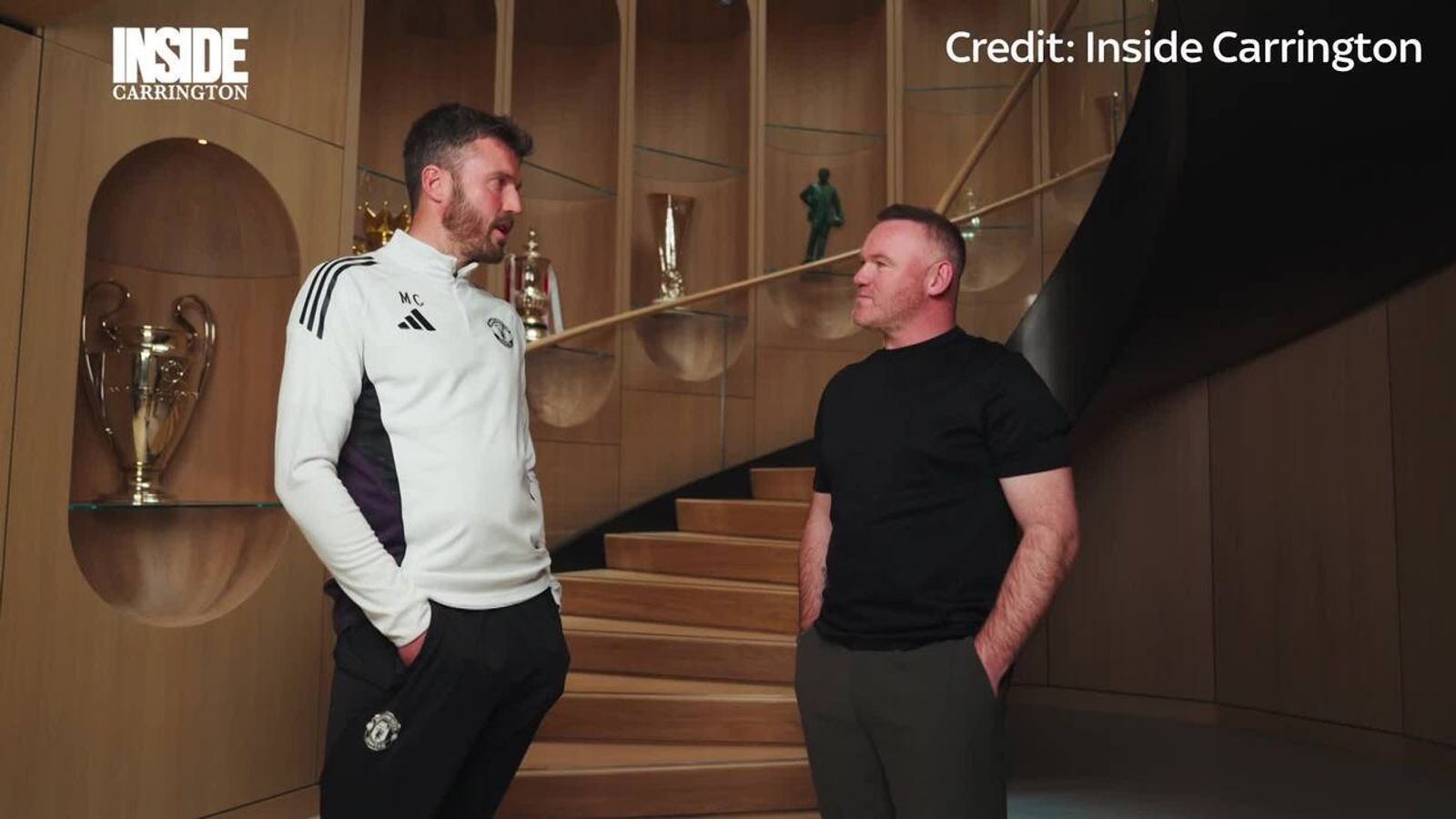
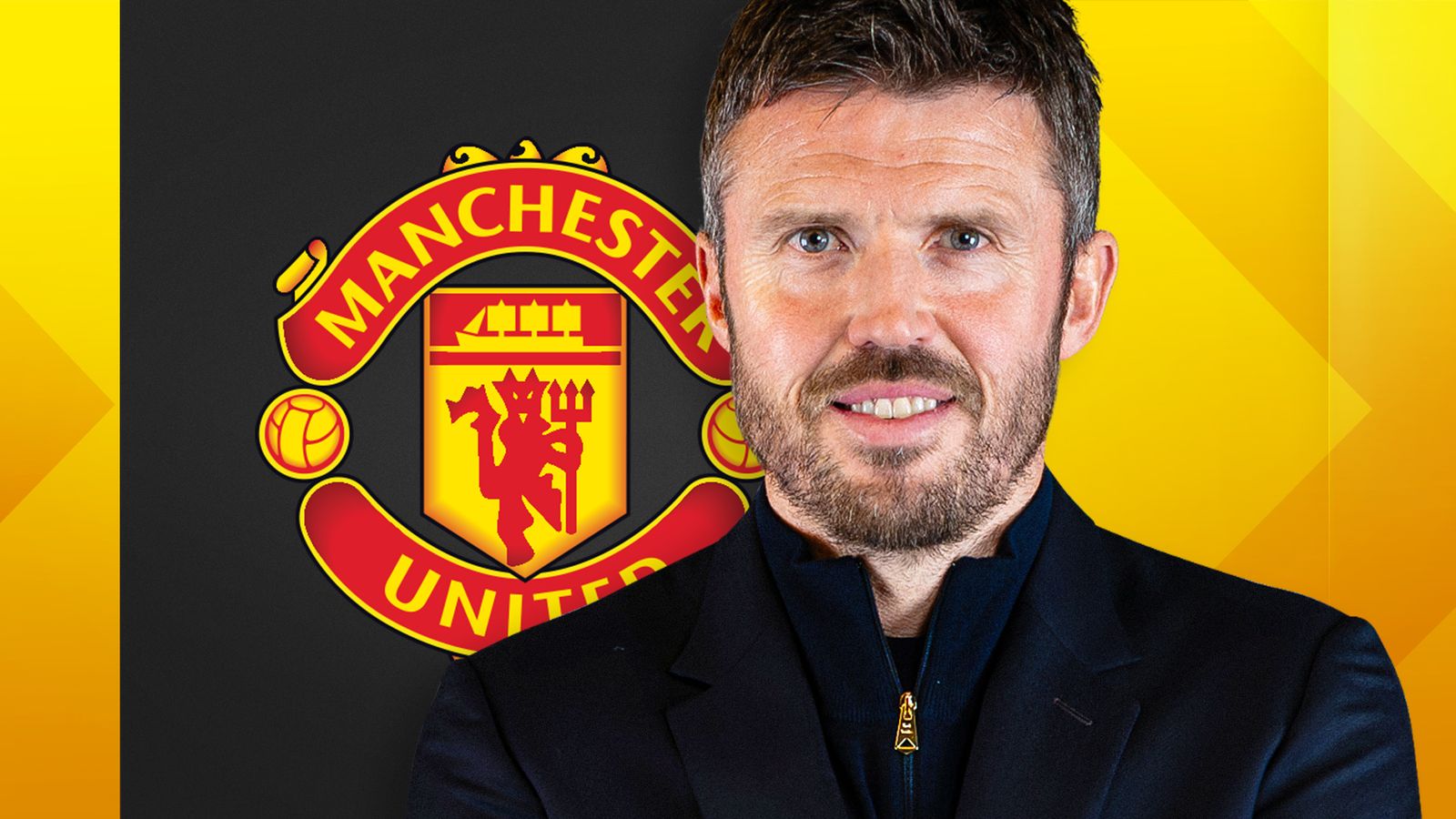
Michael Carrick has done enough to earn a long-term crack at this job. He has stabilized a dressing room that was previously prone to leaks and petulance. Sesko has already backed him to stay on as manager, and the results on the pitch support that vote of confidence. Carrick has implemented a system that prioritizes ball retention without sacrificing the directness United fans crave.
However, the manager’s biggest test is yet to come. His success so far has been built on the reliability of Casemiro as a safety net. When that net is removed in June, Carrick will have to prove he can coach a younger, less experienced midfield to maintain the same level of discipline. The drop-off in control when the veterans are substituted is a massive red flag that cannot be ignored.
"He is a working machine. We have to learn everything we can from him before he goes." — Benjamin Sesko on Casemiro.
The lack of depth in the pivot position is United’s biggest tactical flaw. Against Brentford, once the energy levels dipped, the gaps between the lines became oceans. A better team than Thomas Frank’s side would have exploited that lack of cohesion to take all three points. Carrick is getting results, but he is doing it while walking a tightrope.
The Verdict: Champions League beckons but trouble follows
United will finish in the top four. The win against Brentford has given them the momentum they need, and their remaining fixtures are favorable compared to their rivals. Benjamin Sesko is in the kind of form that can paper over many of the team's defensive cracks. Expect them to secure their spot with a game to spare, likely with a 1-0 or 2-1 gritty win away from home.
But the celebration will be short-lived. The decision to let Casemiro go is the right one for the long-term health of the club, but it creates a massive short-term risk. There is nobody currently in the squad capable of replicating his "machine" output. If the recruitment team fails to land a world-class #6 in the first two weeks of the summer window, the Champions League return will be a brief, painful cameo.
The prediction is simple: United qualify for Europe, Carrick stays, but they will struggle immensely in the early months of next season. The tactical imbalance is too severe to be fixed by spirit and "Carrick-ball" alone. They need a specialist, and they need one now. If they don't find a replacement for the Brazilian, they are essentially planning to fail.
Key Observations for the final stretch
- Sesko’s hold-up play has improved by 40% since the turn of the year.
- United still concede too many shots from the edge of the box when the midfield pivot is bypassed.
- The reliance on veteran leadership suggests a lack of emergent captains in the 22-26 age bracket.
The 2025-26 season will be remembered as the year United found their striker but lost their heartbeat. Whether Carrick can find a new one before the Champions League anthem plays at Old Trafford again is the only question that matters. For now, the fans should enjoy the wins, even if they are more stressful than they ought to be.
Read Next
- Carrick just ended the Casemiro era — and United are out of excuses
- Arsenal and Liverpool just handed the momentum back to the field
- Michael Carrick’s United audition: The tactical shift behind the resurgence
- Alisson Becker's potential move to Juventus creates massive uncertainty
- ⭐ UCL 2026 — Champions League Quarter-Finals Hub