The cost of celebrations
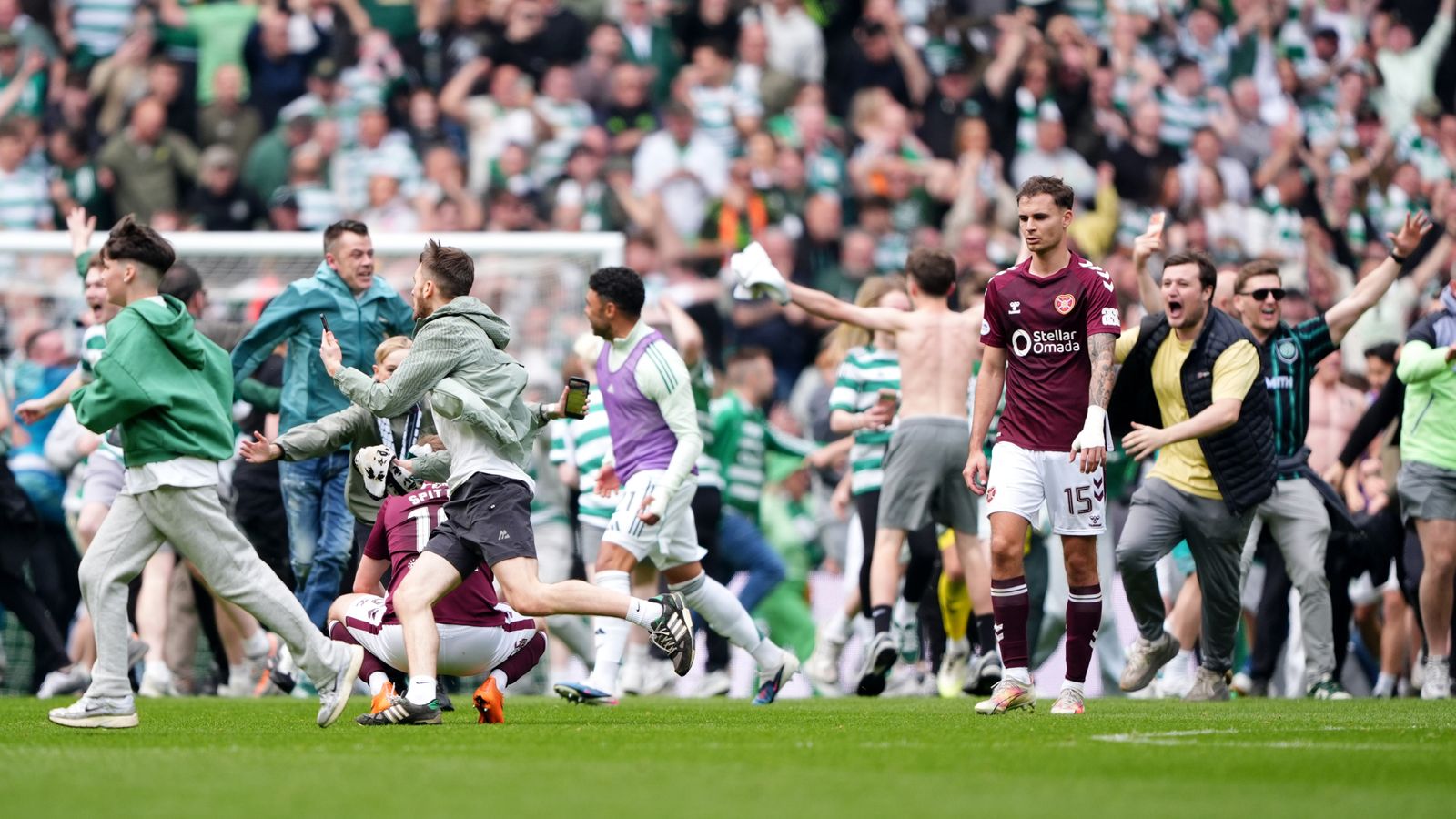
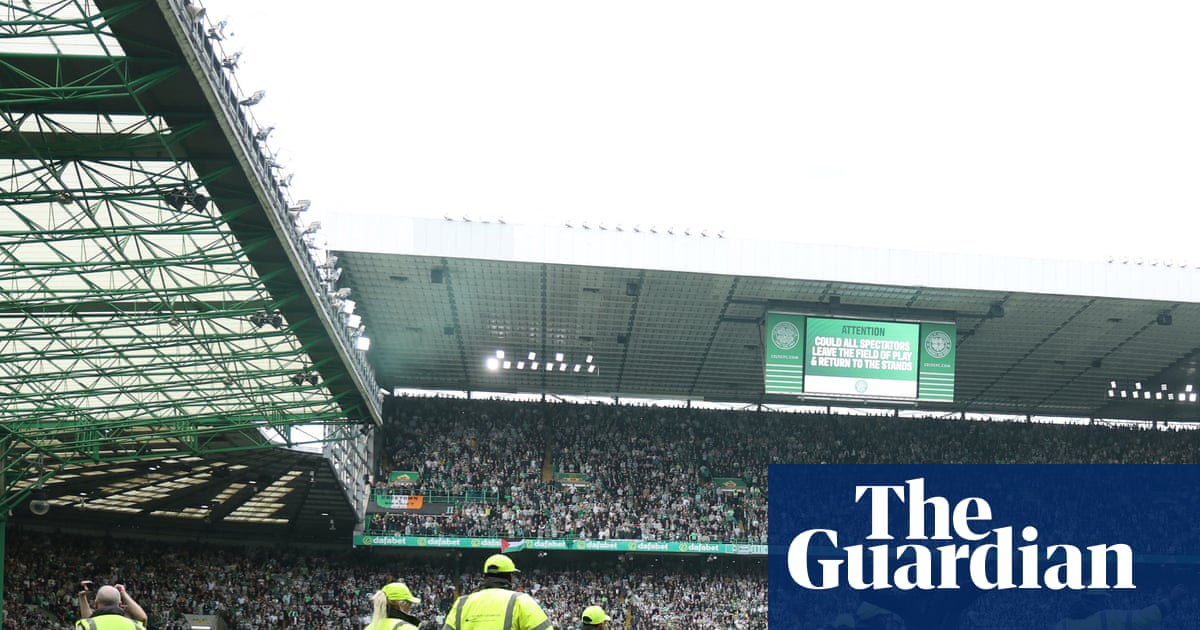
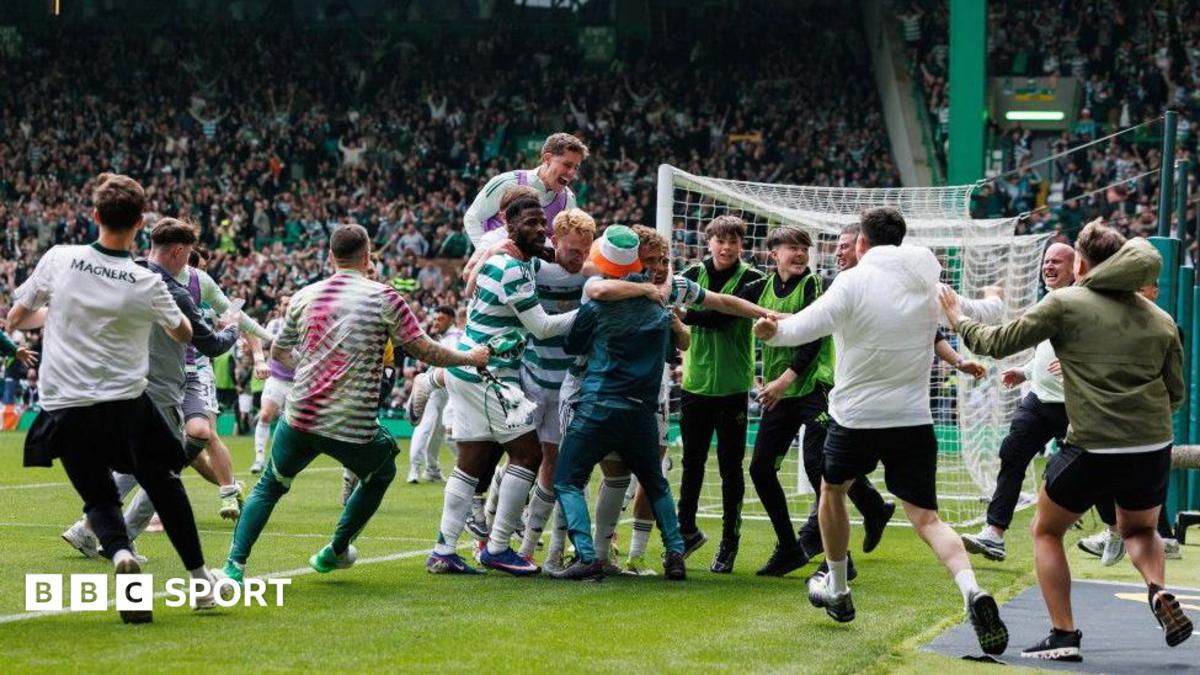
Celtic have been issued a suspended seat reduction and handed a financial penalty following the pitch invasion that marred their title-clinching victory over Hearts. The SPFL confirmed the disciplinary action on June 11, 2026, marking a stern response to the scenes that unfolded on the final day of the Scottish Premiership season back in May.
As reported by the BBC, the club must pay a fine of £7500 for failing to contain their supporters during the trophy presentation. The seat reduction remains suspended, meaning the threat of a partial stadium closure only becomes active if further security breaches occur within the current disciplinary timeframe.
Chairman rejects the narrative
Celtic chairman Brian Wilson has been characteristically blunt regarding the situation. During recent comments on the fallout, Wilson labeled the obsession with the incident as an artificial controversy. He remains adamant that the club is being unfairly targeted for fans celebrating a significant achievement.
The club has officially accepted the sanction imposed by league governing bodies while maintaining that the reaction from observers has been excessive. This mirrors the rhetoric often seen when massive clubs are held accountable for uncontrolled fan behavior during high-emotion title celebrations. As noted by Sky Sports, the governing bodies in Scotland rarely take such measures unless they feel the safety of match officials or opposing players was actively threatened during the chaos.
Historical context and risk
Pitch invasions have plagued the SPFL for decades, yet the threshold for "serious intervention" has tightened significantly. Previous instances involving smaller clubs often resulted in simple warnings or minor reprimands. By moving to a suspended seat reduction, the SPFL is effectively putting Celtic on notice that the next slip-up will yield tangible material consequences for their match-day revenue.
The strategic implication here is clear: authorities are tired of the traditional "let them have their moment" approach. For a club the size of Celtic, losing sections of seating capacity during high-demand matches wouldn't just be an operational headache; it would represent a massive blow to the club's bottom line. The financial fine itself is negligible against the backdrop of an elite club's budget, but the sword hanging over their seating chart is not.
A flawed security approach
The core issue remains the apparent inability of stadium security to manage the emotional climate of a title-winning final whistle. While fans invading the pitch is a staple of football culture, failing to protect the perimeters at Parkhead created an environment where the players were suddenly surrounded by an uncontrolled mass of humanity. It turns the celebratory tone into a genuine risk for visiting squads like Hearts, who are expected to exit the field safely regardless of the result.
By dismissing the debate as "stupid," the club leadership risks ignoring the reality that their security protocols failed in May. Ignoring the potential for a catastrophic incident doesn't make it go away; it just lowers the ceiling for how long the authorities will remain patient. Until the club demonstrably improves its crowd control measures during high-profile trophy presentations, they are one fan too many or one angry protest away from a stadium section being shuttered for competitive play.
Looking forward, the optics for the SPFL are just as precarious. They need to show parity in how they treat all clubs, regardless of the size of their fanbase or their standing in the league. If similar incidents occur elsewhere without identical, proportionate sanctions, the league will find itself in the middle of a credibility crisis. For now, the penalty is a warning shot across the bow of one of the biggest teams in the country. Whether it changes the behavior of the fans or the reaction of the stewards is entirely uncertain.
Read Next
- Celtic's title celebration: Why the numbers don't justify the hysteria
- Celtic's backroom gamble is already hitting a wall
- Celtic's management hunt is giving fans a collective migraine
- Celtic hiring 74-year-old Martin O'Neill is a total surrender to the past
- ⚽ Scottish Premiership 2025-26 — Celtic vs Rangers Hub