
Celtic survived Fir Park but their tactical cracks are showing

The Fir Park Trap
A trip to Fir Park in the middle of May is a brutal litmus test for any team with title aspirations. The pitch feels narrow, the stands sit right on top of the touchline, and the home side knows exactly how to make the afternoon miserable.
Celtic arrived at Motherwell needing a win to keep pace in an increasingly chaotic Scottish Premiership title race. They left with three points, turning the game around after a disastrous start. But the underlying numbers and the structural mess of their first-half performance tell a very different story.
Stuart Kettlewell did exactly what every analyst expected him to do. He deployed Motherwell in a rigid, low-block 5-3-2. This system is entirely designed to nullify central progression. The two strikers stay incredibly narrow out of possession, cutting off the passing lanes into the pivot.
This forces the opposition center-backs to carry the ball wider than they want. The moment the ball goes to a full-back, the near-side central midfielder jumps to press, trapping the ball on the touchline. Celtic walked straight into the trap. For 45 minutes, they engaged in the kind of sterile, U-shaped possession that looks dominant on a spreadsheet but creates absolutely nothing of value.
The Midfield Disconnect
When facing a back five, the attacking team must create artificial transitions. You cannot simply pass the ball in front of the defensive block and hope someone falls over. To create a gap, you need third-man runs. The center-back passes to the defensive midfielder, who plays it first-time to a dropping winger.
As that pass is traveling, the attacking full-back must sprint into the space vacated by the winger. This forces the defending wing-back to make a split-second decision: track the runner or press the ball.
Celtic did none of this at Fir Park. The player on the ball regularly took three or four touches before releasing the pass. In modern football, a three-touch possession sequence against a low block is a death sentence. It gives the defending team three entire seconds to shift their block, close the passing lanes, and set their feet.
This isn't an isolated incident. We have seen this exact pattern from Celtic in away games since August. The midfield pivot, supposedly the engine room of the team, becomes entirely reactive. When the ball is played out wide, the central players stand and watch rather than making the sacrificial runs needed to drag defenders away.
Motherwell's midfield trio didn't even have to sprint; they simply shuffled side to side, completely unbothered by the slow circulation. The lack of rotational movement meant Kettlewell's defensive shape was never genuinely tested. You could throw a blanket over Celtic's central midfield three for most of the first half, making them incredibly easy to mark out of the game.
The reliance on crossing is another major red flag. In the first half, Celtic whipped 24 crosses into the Motherwell penalty area. That is a staggering number. When you are playing against three central defenders who are all over six-foot-two, swinging high balls into the box is not an attacking strategy. It is a concession of possession. The completion rate on those crosses was under 15 percent.
The Hearts Machine
While Celtic were suffering in Lanarkshire, Hearts were calmly handling their business in Edinburgh. The fact that Hearts are sitting top of the table in May is a monumental story, but the way they are playing is even more impressive. This isn't a fluke born of lucky bounces.
Steven Naismith has built a tactically supreme team that dictates the terms of engagement regardless of the opponent. They use aggressive, targeted counter-pressing to lock teams in their own third. When a Hearts player loses the ball, the immediate reaction isn't to retreat into a defensive shape. Instead, the nearest three players sprint toward the ball carrier, suffocating the space.
Against Falkirk, a team that naturally wants to sit deep and defend their penalty area, Hearts were relentless. They never let Falkirk breathe. Unlike Celtic, Hearts do not rely on aimless crosses when faced with a low block. They use highly coordinated underlapping runs from their full-backs to create overloads in the half-spaces.
Naismith has completely rewired the mentality at Tynecastle. Historically, when an Edinburgh club gets a sniff of the top of the table in the spring, the anxiety becomes overwhelming. The fans panic, the players stiffen up, and the inevitable collapse follows. This current Hearts team looks entirely immune to that historical baggage.
They play with the cold, calculated aggression of a team that fully expects to win the league. The defensive line steps up aggressively to catch strikers offside, squeezing the pitch and denying the opposition any time to build possession. It is a high-risk strategy that requires immense physical conditioning, but Hearts execute it flawlessly. It is a thoroughly modern attacking system that makes Celtic's reliance on wide isolation look completely outdated.
The Half-Time Fix
The turnaround at Fir Park eventually came, but it wasn't born of a sudden burst of attacking brilliance. It was a mechanical adjustment by Brendan Rodgers. Plan A had failed miserably. To fix the spacing issues, Celtic pushed one of their central midfielders essentially up alongside the striker.
This pinned Motherwell's central defenders and stopped them from stepping out to engage the ball carrier. Suddenly, the middle of the pitch had a tiny bit of breathing room. Simultaneously, the wingers were instructed to stay as wide as humanly possible, stretching the outside center-backs in Motherwell's back five.
With the defense pinned back and stretched wide, the half-spaces finally opened up. Celtic started driving the ball into these pockets with quick, one-touch combinations. It was a marked improvement. The tempo increased, Motherwell's midfield grew exhausted chasing shadows, and the goals inevitably followed.
However, grinding down an exhausted defense is not the same as dismantling them tactically. Celtic's goals felt like a product of sheer volume rather than precise execution. Relying on chaos is a coin flip. Against better opposition, this tactical setup drops valuable points.
Rest-Defence Disasters
This brings us to Celtic's deepest flaw. Their rest-defence—the positional structure they maintain while attacking to prevent counter-attacks—is completely broken. When the ball turned over, the gap between Celtic's midfield line and their center-backs was massive.
Motherwell exploited this space effortlessly in the opening period. One simple clearance was all it took to bypass five Celtic players, leaving a clean run at the back line. A team chasing a championship cannot afford to gift their opponents huge transitional spaces in a single half.
If Rodgers does not fix these massive holes in his team's defensive transition structure, they will not win this league. You cannot win a modern football title if your central midfield vacates the middle of the pitch every time the team loses possession.
Rangers, Hibs, and the Title Race
The pressure on Celtic is magnified exponentially by the events elsewhere. As detailed in Sky Sports' live coverage, Rangers hosting Hibs at Ibrox adds the final piece to this weekend's puzzle. Philippe Clement knows that his Rangers team cannot afford a single misstep.
The dynamic of a three-way title race means drawing a match feels exactly like losing one. Rangers attack with a completely different rhythm than Celtic or Hearts. They are brutally direct, focusing heavily on getting the ball to their wingers as quickly as possible to force one-on-one situations.
Hibs, under David Gray, are perfectly set up to exploit that directness. They are willing to absorb pressure and use their raw pace on the counter-attack. If Rangers commit their full-backs high up the pitch to support the wingers, Hibs will violently exploit the vacant space behind them.
The margin for error across the entire top three right now is zero. Every managerial decision is magnified. Every dropped runner is punished severely.
Final Thoughts
Celtic survived their scare at Motherwell, and the record books will show a victory. The post-match narrative will inevitably focus on character, resilience, and the spirit of champions.
That is exactly the kind of emotional masking that prevents teams from addressing their core weaknesses. The character to come from behind is admirable, but the tactical naivety that put them behind in the first place is alarming.
Hearts are too consistent to bank on them collapsing. Rangers are too dangerous to ignore. Celtic need to drastically improve their central ball progression against low blocks. A win at Fir Park keeps them in the hunt. But if you watch the tape instead of looking at the scoreline, Celtic look far more vulnerable than their league position suggests.
Read Next
- Celtic survived Motherwell but the final day will be a bloodbath
- Hearts and Celtic are one point apart and the title is on the line
- A 99th-minute penalty just turned the Scottish title race into a total circus
- Celtic's VAR escape against Motherwell papers over real tactical cracks
- ⚽ Scottish Premiership 2025-26 — Celtic vs Rangers Hub
Gildan Official Premier League Club Knit Scarf
Hold it high and sing your heart out—every true Premier League fan needs their t
More Coverage
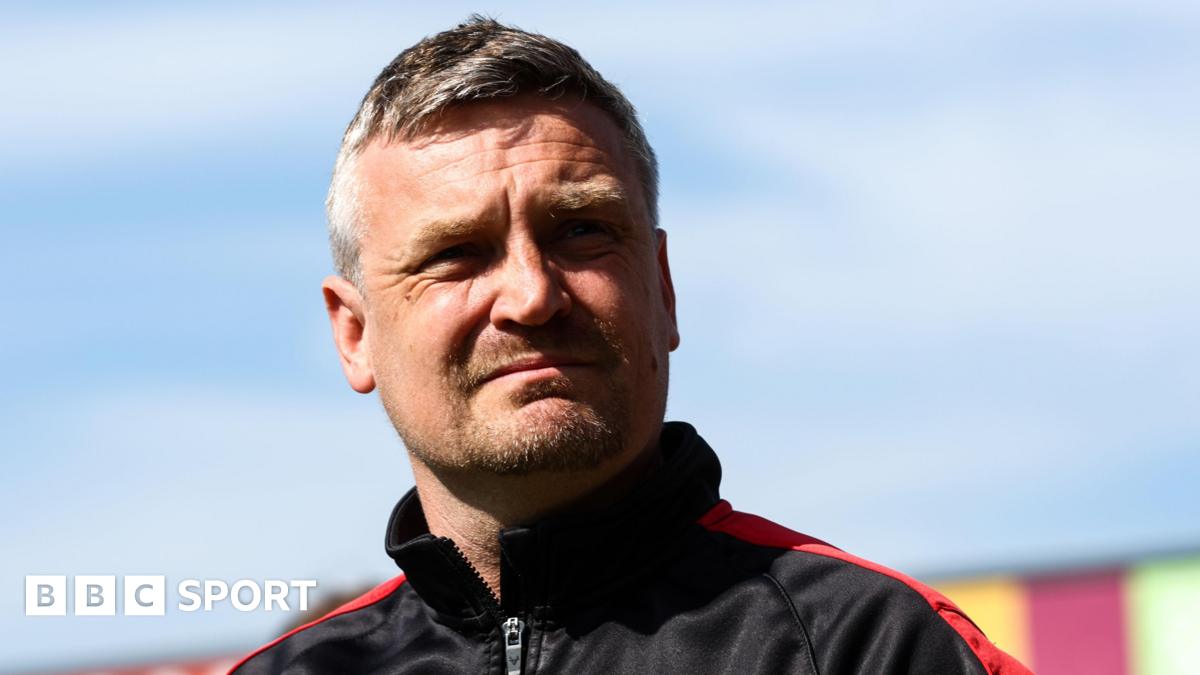
Michael Skubala takes the hot seat at Ashton Gate
7 hours ago
VAR consistency concerns mount as Scottish Premiership season hits final stretch
7 hours ago
World Sevens brings high-octane chaos before the World Cup fever hits
7 hours ago
Why Manchester United’s pursuit of Ederson makes tactical sense
15 hours ago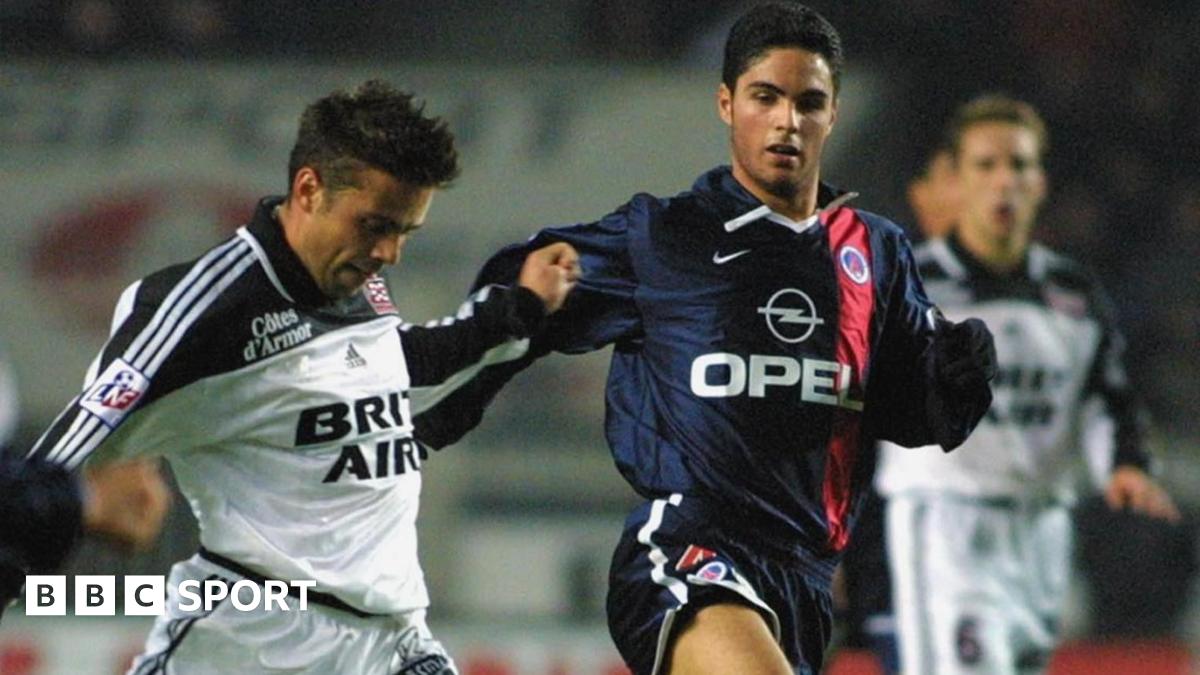
Arsenal must reconcile their tactical past with this final hurdle
17 hours ago
Manchester United are sleepwalking into another summer of uncertainty
19 hours agoMore Analysis
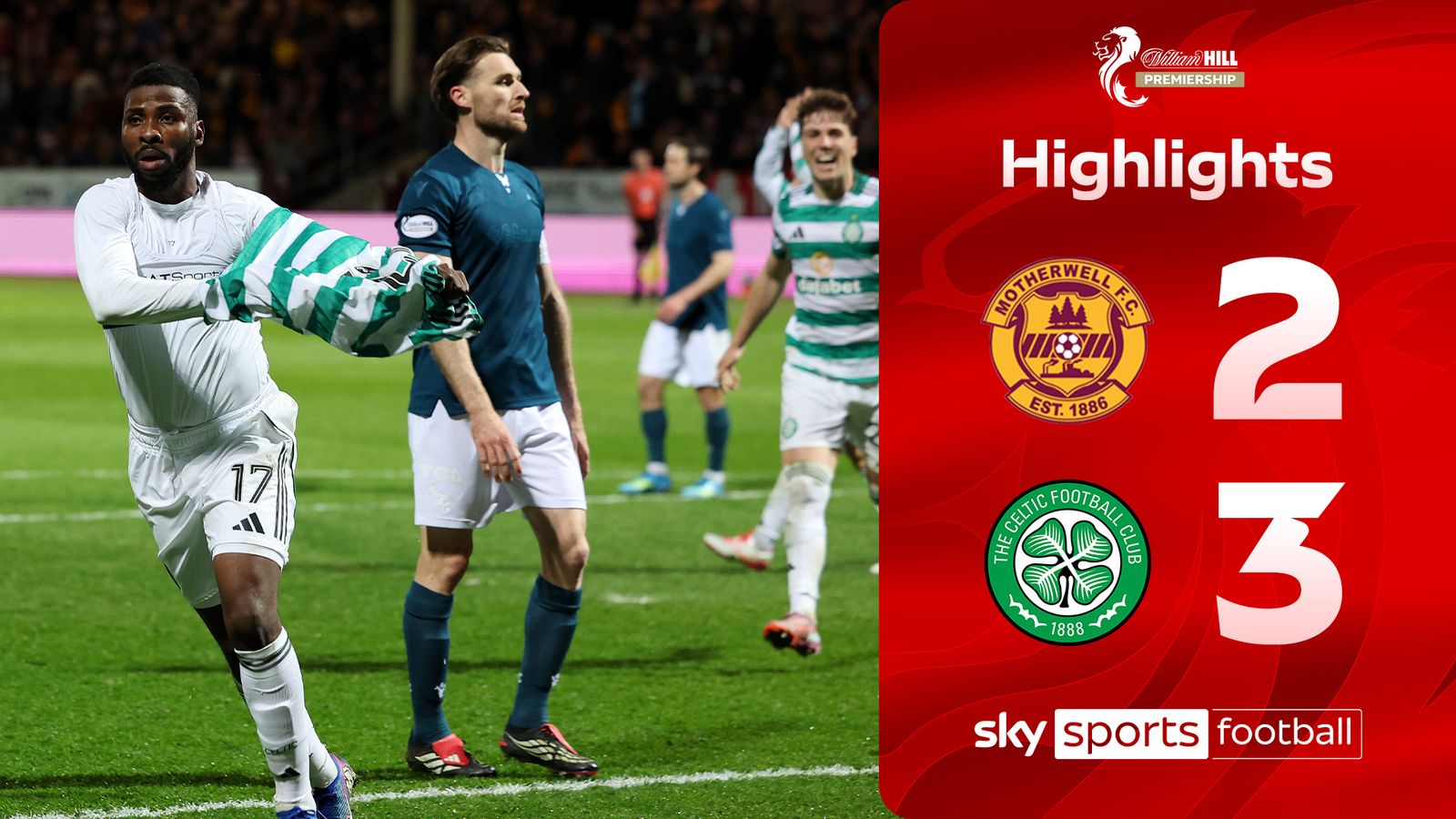
Celtic's VAR escape against Motherwell papers over real tactical cracks
2 weeks, 2 days ago
Celtic are level with Hearts but the tactical cracks are showing
3 weeks, 5 days ago
Celtic, Hearts, and the tactical cost of a stadium at war
1 week, 2 days ago
Celtic need more than luck to survive their final league stretch
2 weeks, 1 day ago
Hearts will hold off Celtic to win the Scottish Premiership
1 month, 2 weeks ago