The noise before the whistle
With the 2026 FIFA World Cup kicking off in exactly 22 days, the eyes of the footballing world are naturally drifting toward North America. But inside the Glasgow pressure cooker, international football does not exist. Domestic grievances consume all available oxygen. We are staring down the barrel of a wildly volatile fixture between Celtic and Hearts, and the buildup has entirely bypassed the pitch.
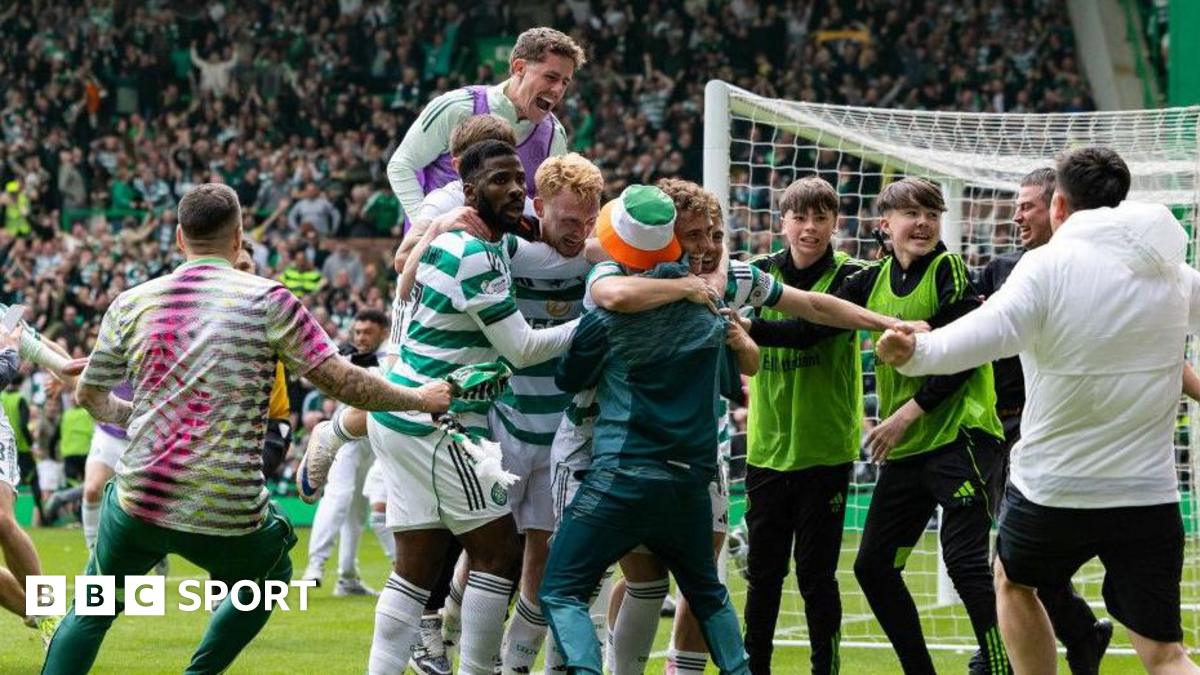
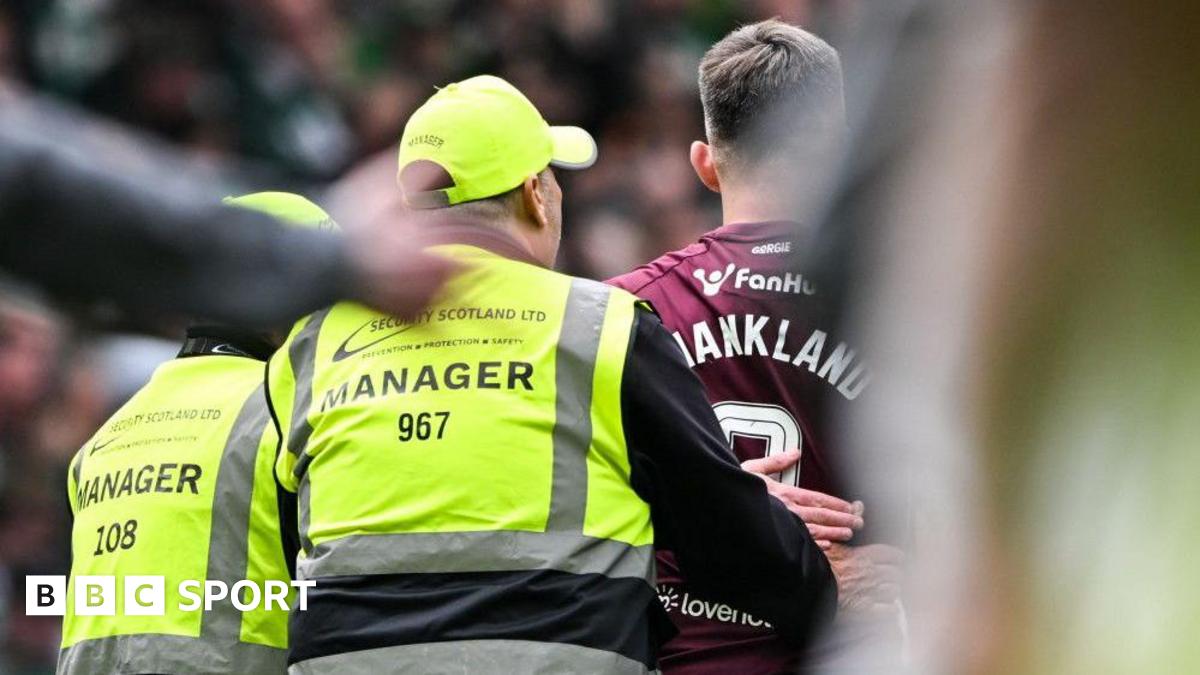
We are no longer talking about passing networks. We are not discussing pressing traps or high defensive lines. Instead, the narrative has been violently hijacked by boardroom fury and press conference defiance following the recent Celtic Park pitch invasion.
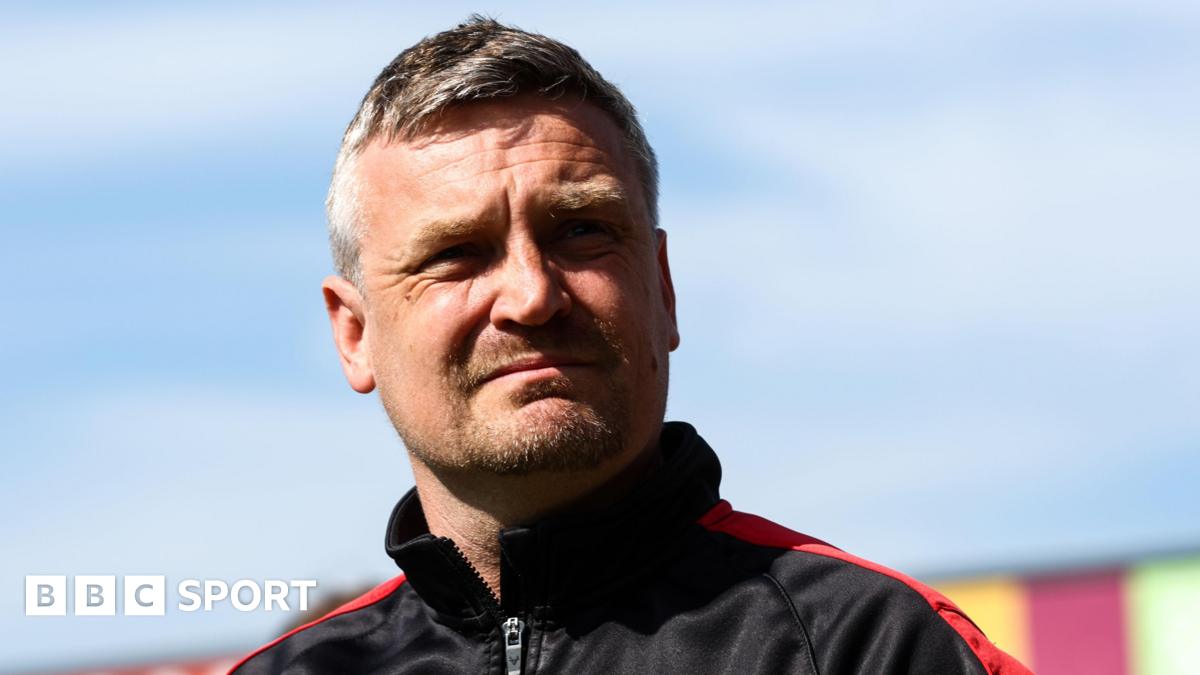
"Hearts have hit out at what they call highly irresponsible comments with dangerous implications about the Celtic Park pitch invasion, after Celtic boss Martin O'Neill dismissed claims the incident embarrassed Scottish football as nonsense."
That is the baseline reality we are operating in today. The away side feels fundamentally endangered and entirely disrespected by the establishment. As the BBC reported, Hearts have officially warned of the "dangerous implications" of brushing off crowd control failures. The home side, meanwhile, feels unfairly targeted by pearl-clutching rivals who are weaponizing an isolated incident.
Martin O'Neill knows exactly what he is doing. Calling the embarrassment of Scottish football "nonsense" is a staggering misread of basic stadium security, but it is a brilliant piece of siege-mentality management. He has taken the heat off his squad and placed it squarely on his own shoulders. But eventually, the talking stops. The whistle blows. And all of this manufactured or genuine anger has to be channeled into a football match.
Emotion is the enemy of structure
Hearts face a severe psychological and tactical test this week. Anger makes a player run faster, but it usually makes him run stupidly. Defending against a possession-dominant side requires immense, agonizing restraint.
You have to be utterly comfortable without the ball. You have to shift side-to-side in a rigid block, close passing lanes, and wait for the precise, agreed-upon trigger to press. If a Hearts midfielder decides to smash into a tackle to settle a score, the entire defensive shape collapses in real time.
One man jumping out of a compact mid-block leaves a fatal gap. Celtic live exclusively for those gaps. The moment a defensive line loses its discipline out of spite, the match is over. Hearts simply do not have the technical superiority to win a chaotic, transition-heavy shootout against O'Neill's squad.
Their only reliable path to a result is absolute, unyielding boredom. They need to kill the crowd early. They need to frustrate Celtic's playmakers by denying them access to the central channels. You do that with a rigid two-bank system. The vertical space between the defense and the midfield cannot exceed ten to fifteen yards.
The geometry of the Celtic attack
Let's look at Celtic's structural advantages in these specific types of highly charged, low-block encounters. Even amidst the off-pitch noise, they remain a terrifying offensive machine when allowed to dictate the tempo.
Their wide overloads are methodical and punishing. The winger stays incredibly high and wide, pinning the opposing full-back to the touchline. The central midfielder then drifts into the half-space, dragging a marker with him. Finally, the full-back overlaps or underlaps depending on how the Hearts defensive line reacts to the initial movement.
It forces the defending team to make impossible, split-second choices. Do you track the runner and leave the center vulnerable to a cutback? Or do you stay compact and allow uncontested crosses into the penalty area? Hearts will likely counter this by dropping their wingers incredibly deep, essentially creating a flat back six out of possession.
It is an incredibly ugly way to play football. But it is an effective survival mechanism. The problem is the sheer physical toll. Defending that deep requires extreme mental and physical endurance. A single lapse in concentration on the weak side results in a goal.
The transition battleground
So how do Hearts actually threaten the Celtic goal? You cannot win a top-flight football match exclusively camped inside your own penalty area. The offensive transition is their only viable weapon today.
When Celtic commit bodies forward to sustain pressure, they leave massive acres of grass behind their advancing wing-backs. Hearts must bypass the midfield entirely upon winning the ball back. They need quick, vertical passes fired directly into the channels.
They require runners willing to chase lost causes, isolate the remaining center-backs, and win cheap throw-ins or corners deep in Celtic territory. Set-pieces are the great tactical equalizer. It genuinely does not matter if Celtic hold 70 percent possession for the entire afternoon. A well-delivered inswinging ball into the six-yard box and a bit of physical chaos can alter the entire complexion of the season.
This is exactly where the pitch invasion context matters on the grass. If the stadium is agitated, and if the referee is visibly feeling the pressure of the hostile environment, every single corner becomes a massive psychological event. Celtic are historically vulnerable on defensive transitions when their center-backs are left completely exposed in two-on-two counter-attacks.
The failure of authority
We have to address the critical failure of leadership that allowed the temperature to reach this boiling point. The league's governing bodies have been entirely absent in the buildup.
By failing to issue immediate, severe, and public sanctions regarding the original pitch invasion, the authorities forced Hearts to take a public stand to protect their own staff. O'Neill's dismissal of the danger is terrible PR for a league already struggling with a reputation for poor crowd control. It shows a glaring blind spot regarding away team safety.
Now, the match referee is walking into an absolute nightmare scenario. Every fifty-fifty challenge in the opening ten minutes will be scrutinized by thousands of furious supporters. The first hard foul will demand a yellow card simply to maintain a basic level of order.
If the referee tries to let the game flow and loses control early, we will see a red card long before the halftime whistle. The baseline tension is simply too high to allow for lenient officiating today. The officials have been set up to fail by the administrators above them.
The inevitable breakthrough
The tactical battle is fascinating on paper, but it feels distinctly secondary to the emotional atmosphere waiting at kickoff. Hearts will attempt to play a cold, deeply calculated game. They want to absorb pressure, survive the early onslaught, and strike on the break when Celtic overcommit.
Celtic will attempt to use the ferocious, tribal energy of the stadium to physically and technically overwhelm their opponents in the opening twenty minutes. If Hearts somehow survive the initial barrage, they have a genuine chance to steal a point. The longer the game stays scoreless, the more anxious and demanding the home crowd will become.
But sustained, intelligent pressure usually dictates the final result. Celtic simply possess too much attacking firepower on the bench. Their ability to aggressively cycle the ball and create overloads on both flanks will eventually break down the Hearts defensive block through sheer attrition.
Expect a deeply cynical football match. Expect constant tactical stoppages, furious appeals to the referee, and a remarkably heavy card count for both sides. Hearts will be incredibly difficult to break down, but they will eventually run out of energy tracking the overlapping runs.
Celtic will take this 2-0, breaking the deadlock late in the second half of a brutally ugly, spiteful affair. The football will be instantly forgettable, but the post-match press conferences will undoubtedly dominate the headlines until the end of the month.
Read Next
- Toulouse's move for Askou proves the SPFL is Europe's bargain bin
- Why Brighton won't let the Cresswell transfer drop
- Top 10 Moments That Prove Xabi Alonso is the Tactical Fix Chelsea Needs
- Arsenal will win the Champions League, but the TV paywall is a disgrace
- ⚽ Scottish Premiership 2025-26 — Celtic vs Rangers Hub