The greatest plot twist in modern football
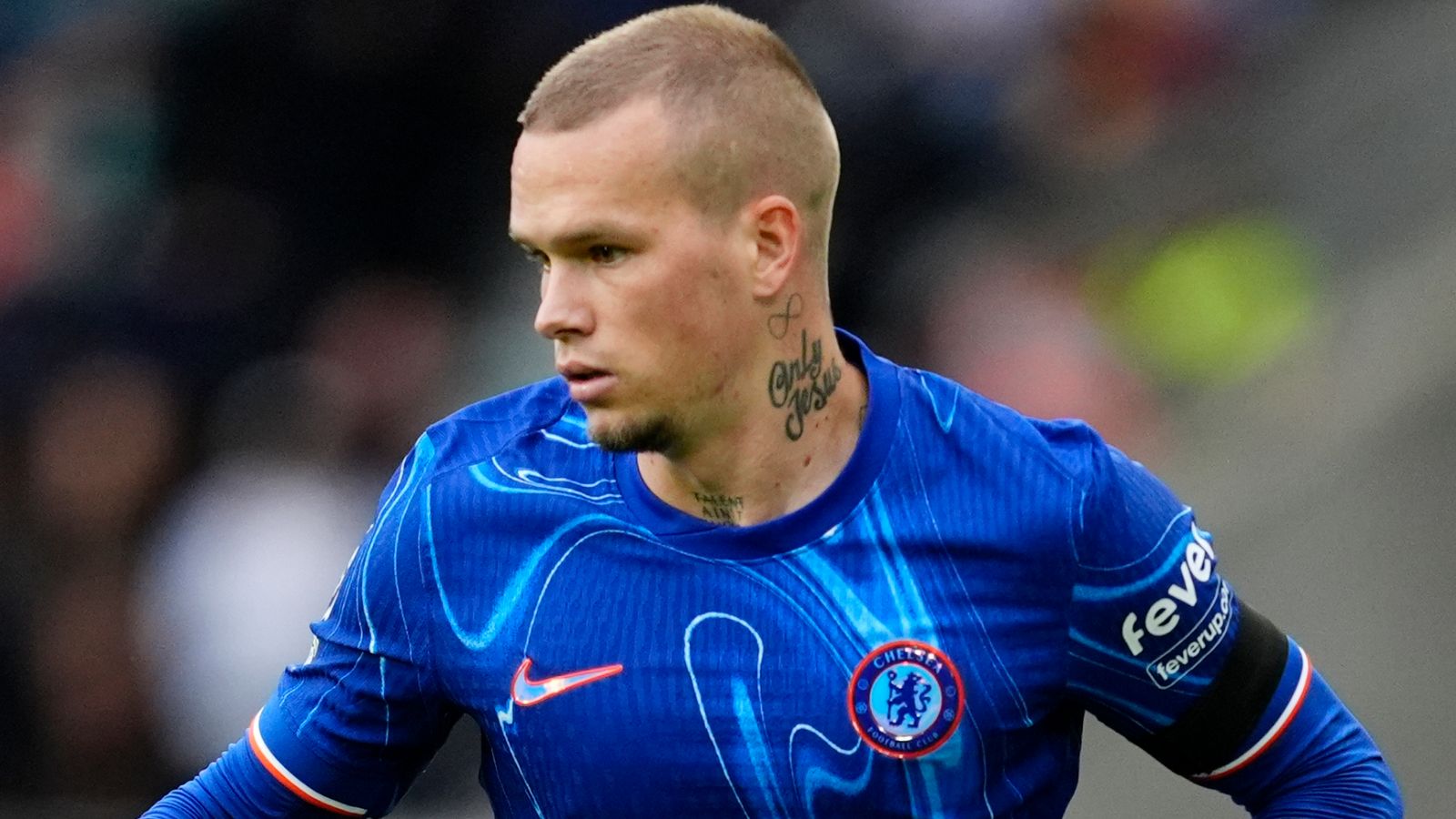
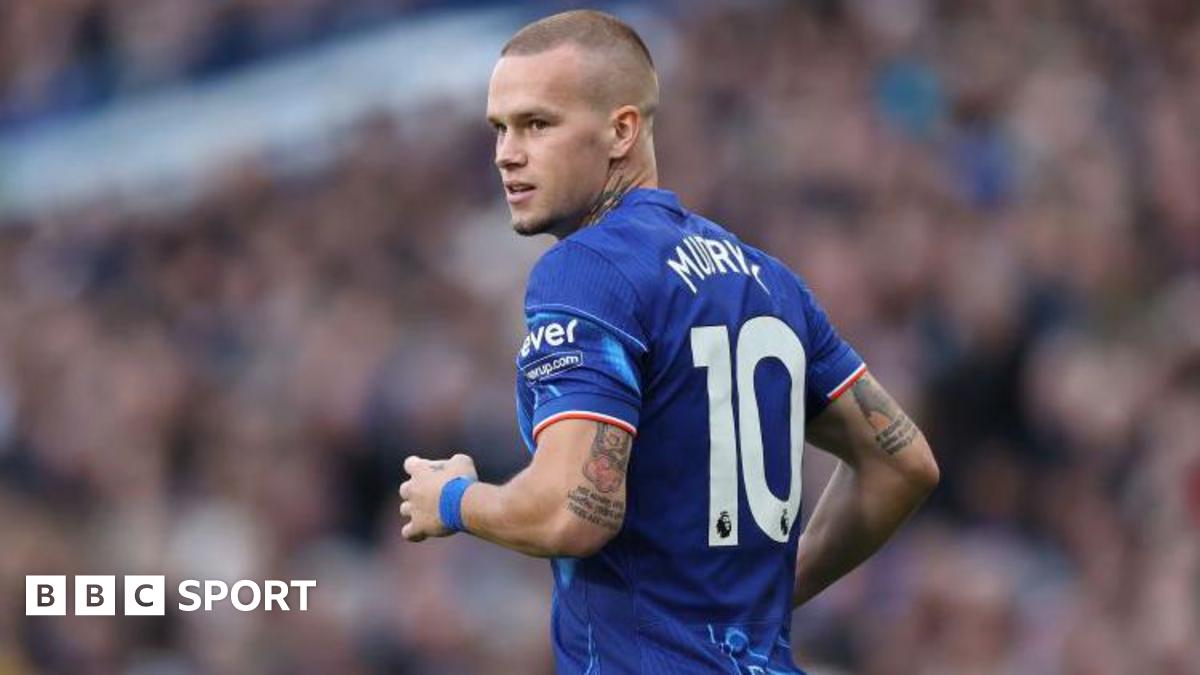
If you walked into a pub yesterday and told the locals that Mykhailo Mudryk had been secretly banned for four years, you would have been laughed out of the building. It sounds like a bad Football Manager save gone wrong. Yet here we are. As the BBC reported, the Chelsea winger is currently appealing a doping ban that was handed down in absolute, total secrecy.
The sheer absurdity of the situation has broken the football internet. We are used to leaks in this sport. We knew about Ivan Toney's betting charges months before the ban hit. We watched the Paul Pogba saga play out in slow motion on Italian television. But this? This was kept quieter than a library during exam week.
Naturally, the fan reaction has been a toxic, glorious mess of conspiracy theories, rival mockery, and genuine confusion. I have spent the last twenty-four hours wading through the trenches of Reddit, Twitter, and fan forums. My sanity is barely intact, but I have categorised the madness.
The Arsenal victory parade
You cannot talk about Mudryk without talking about Arsenal. The January 2023 transfer window is burned into the memory of every Gooner. They tracked his private flights. They analyzed his Instagram stories. Mikel Arteta supposedly had a grand tactical design for the Ukrainian winger.
Then Chelsea hijacked the deal with a €100m package and Arsenal settled for Leandro Trossard. Fast forward to today, and the Arsenal side of the internet is throwing a digital street party. The general consensus over on r/Gunners is a mix of immense relief and smug satisfaction. They are treating Edu Gaspar like a time-traveling genius who knew this suspension was coming all along.
The contrast is brutal. Trossard has scored massive goals in title races, while Mudryk is now fighting for his career in a secret courtroom. Rival fans are ruthless, and the memes comparing Arteta dodging a bullet to Neo in The Matrix have completely flooded my timeline.
The contract termination theorists
This is where things get truly unhinged. If you venture into the deep, dark corners of Chelsea Twitter, you will find a massive group of fans who are weirdly celebrating this news. Why? Because they think it is a financial get-out-of-jail-free card.
Remember that infamous eight-and-a-half-year contract? The one that introduced the word amortisation to every football fan on the planet? A vocal section of the fanbase is convinced that a doping ban allows Todd Boehly to rip up that contract and save millions in weekly wages.
It is incredibly bleak when your own fans are hoping a regulatory body destroys your career just to help out the club's Profit and Sustainability rules. They are analyzing UK employment law instead of defending their winger. That tells you everything you need to know about how his time at Stamford Bridge has actually gone.
The performance-enhancing skepticism
Then we have the skeptics. Not skeptical about the ban itself, but skeptical about the biological reality of it all. The most common joke I have seen repeatedly across all platforms is brutal. People are genuinely asking what exactly the drugs were supposed to be enhancing.
Mudryk has always been blindingly fast. He can run past full-backs like they do not exist. But his final ball? His finishing? His decision-making in the final third? It has been painful to watch. A popular post on a major football forum pointed out that if he was taking performance-enhancing substances, he definitely needs a refund from his supplier.
It is a harsh reality of football fandom. If you are producing week in and week out, fans will build a human shield around you. If you are struggling to hit a barn door from ten yards, they will turn you into a punchline the second you stumble.
The legal eagles demand answers
Beyond the jokes and the financial coping mechanisms, there is a serious faction demanding answers about the secrecy. How does a Premier League player get investigated, charged, and banned without a single journalist finding out? In the era of Fabrizio Romano, keeping a secret this big is practically impossible.
This is where the fan sentiment shifts from mockery to genuine anger. Fans are right to be furious about the lack of transparency. If a player is banned, the paying public deserves to know. The secrecy breeds suspicion. Was he playing while under investigation? The void of information has been filled by wild speculation.
Some fans are blaming the FA. Others are pointing fingers at UK Anti-Doping. A few wild conspiracy theorists think the government covered it up to avoid diplomatic issues with Ukraine. When you hide the truth, people invent their own. That is just how the internet works.
The loyalist defenders
We must acknowledge the small, brave faction of Mudryk defenders. They are out there, hiding behind Ukraine flag emojis in their bios, fighting for his honor in the replies. Their argument is entirely based on the appeals process.
They point to the fact that he has not been publicly dragged through the mud until now. They argue that if he is appealing, there must be a valid reason. Maybe it was a contaminated supplement. Maybe it was an honest mistake from a club doctor. We have seen athletes clear their names or reduce their bans before.
Andre Onana managed to get his ban reduced after proving he accidentally took his wife's medication. The defenders are clinging to this precedent like a life raft. But the maximum penalty is rarely handed out by accident. You do not get hit with the book unless the tribunal thinks you are seriously guilty.
Who is actually right?
Having read thousands of these deranged takes, I have to side with the people angry about the secrecy. The rival fans laughing are predictable. The Chelsea accountants trying to save money are depressing. But the people asking how this was kept quiet are asking the only question that matters.
Football is a multi-billion dollar entertainment product. We literally pay for the right to know what is going on with our teams. The fact that a governing body can completely remove a marquee signing from the sport in a closed-door trial is a terrible precedent.
If the appeal fails, Mudryk will not play professional football again until 2030. Let that sink in. He will be twenty-nine years old. His peak athletic years will be gone. The speed that made him famous will start to fade. It is a monumental punishment.
The final whistle
The Mudryk saga is a perfect storm of modern football chaos. It combines ridiculous transfer fees, bitter rivalries, legal drama, and the sheer toxicity of social media. The player is fighting for his professional life while teenagers on the internet use his misery to farm engagement.
Chelsea now have a massive headache on their hands. Enzo Maresca has to answer questions he knows nothing about. The PR department is probably running on zero sleep. And somewhere in London, a lawyer is preparing the most important appeal in recent sporting history.
The appeal process will likely drag on for months. Until we get a final verdict, the football internet will keep doing what it does best. Tearing the situation apart, one unhinged theory at a time.