The Appeal Stage Begins
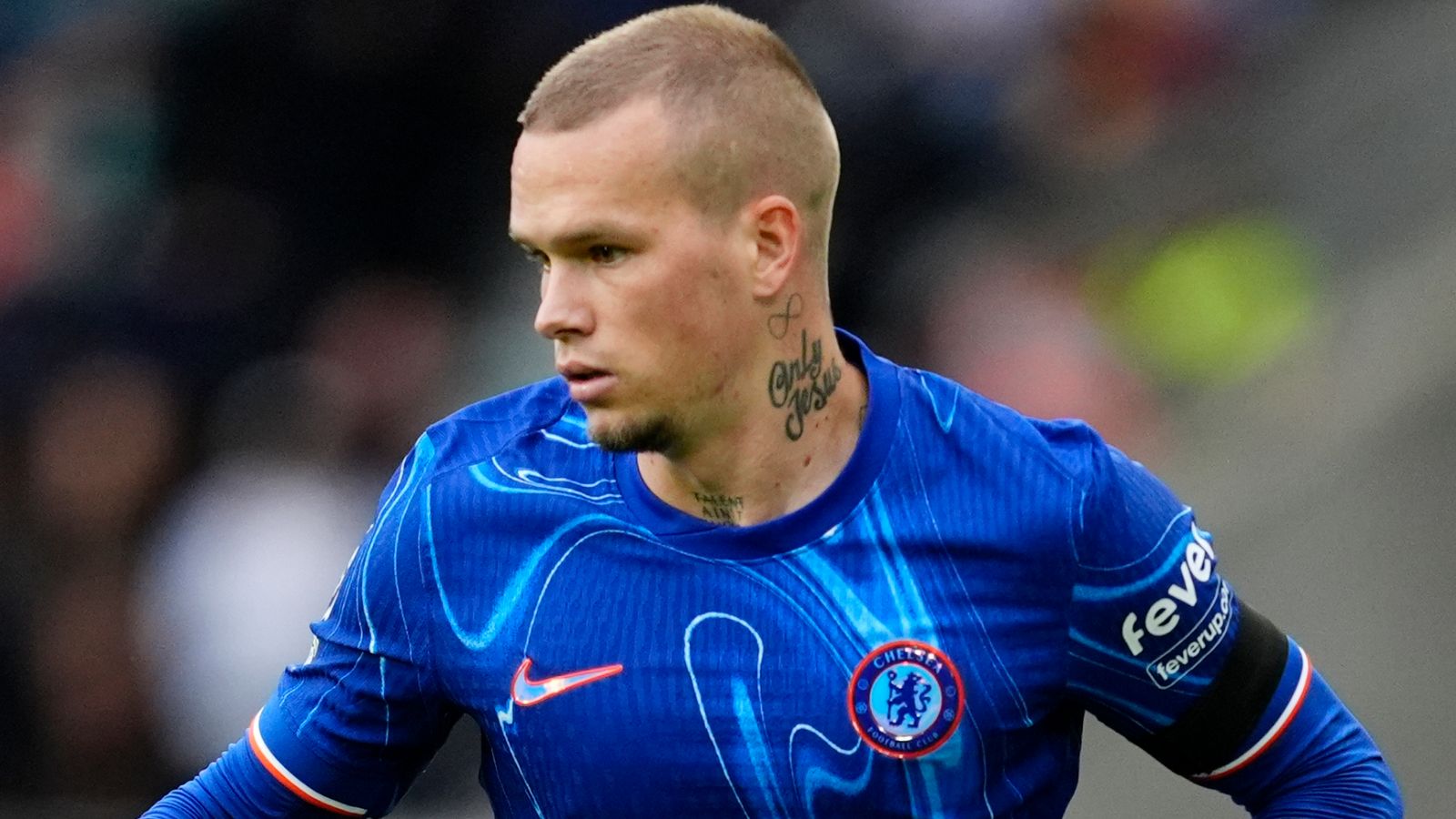
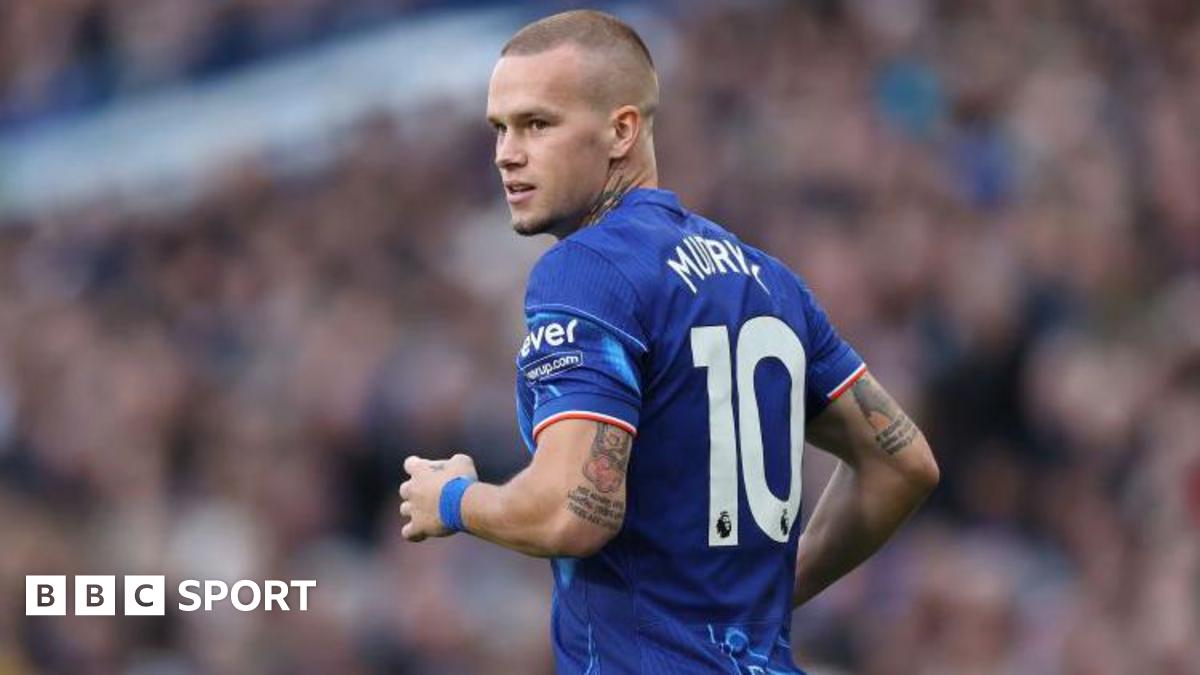
The situation surrounding Mykhailo Mudryk has officially entered its next legal phase. Suspended by the FA in December 2024 following a failed drugs test, the Chelsea winger is now formally appealing his massive four-year ban. This development shifts the battleground from the testing laboratory to the courtroom.
A four-year suspension is the standard maximum penalty under current World Anti-Doping Agency guidelines. It implies that authorities believe the substance was taken intentionally, or at least with severe negligence. As reported by the Mirror, Mudryk's camp is vigorously fighting that assertion.
For Chelsea, the stakes are absurdly high. The club tied the Ukrainian down to an unprecedented eight-and-a-half-year contract when he signed from Shakhtar Donetsk. If this ban holds, he will be unavailable until late 2028. That represents a catastrophic loss on their initial investment.
The appeal process will likely move to the Court of Arbitration for Sport. This is never a fast procedure. Lawyers will dissect the chain of custody for the sample, the testing methodology, and any potential contamination angles.
The Science of the Violation
While the specific substance in Mudryk's December 2024 test remains under tight wraps, we can examine the usual suspects. In football, failed tests typically fall into two categories: recreational drugs or performance-enhancing compounds. Given the severity of the FA's initial ban, authorities are treating this as the latter.
Anabolic agents or peptide hormones carry the heaviest penalties. These compounds aid in muscle recovery and allow athletes to train at higher intensities without breaking down. For a player built entirely on fast-twitch muscle fibers and explosive sprinting, the temptation to accelerate recovery during a congested fixture list is obvious.
Alternatively, the failed test could stem from a contaminated supplement. Strict liability rules dictate that an athlete is ultimately responsible for whatever is in their system. Claiming ignorance about a protein powder or a pre-workout drink rarely absolves a player, though it can occasionally mitigate the sentence.
This brings the Chelsea medical department back into the crosshairs. Premier League clubs employ full-time nutritionists who vet every single product consumed at the training ground. If Mudryk ingested something illicit, it almost certainly happened outside the club's direct supervision. That points to a severe breakdown in professional discipline.
Historical Precedent in Football
Football has seen this movie before, and the endings are rarely clean. The most obvious parallel is Paul Pogba. The French midfielder was initially handed a four-year ban for a DHEA violation, which effectively ended his time at Juventus. Pogba successfully argued his case at CAS, getting the suspension slashed to 18 months.
Andre Onana offers another template. During his time at Ajax, Onana tested positive for Furosemide, a banned diuretic. He managed to prove he accidentally took his wife's medication. His initial 12-month ban was reduced to nine months on appeal.
Rio Ferdinand's infamous missed test in 2003 also comes to mind. The Manchester United defender was banned for eight months simply for failing to provide a sample, highlighting how strictly authorities view the testing protocol itself. Mudryk's situation is arguably far worse, given an actual failed test triggers an automatic presumption of guilt regarding banned substances.
Mudryk's legal team will be pouring over these case studies. The defense almost always relies on proving contamination or accidental ingestion. The burden of proof, however, sits squarely on the player.
The Mutu Precedent and Legal Warfare
To understand Chelsea's potential playbook, we have to look back to 2004. Adrian Mutu failed a test for cocaine and was handed a seven-month ban. Chelsea didn't wait around. They sacked the Romanian striker for breach of contract and sued him for the remaining value of his transfer fee.
That legal saga dragged through the courts for over a decade. Chelsea eventually won judgments ordering Mutu to pay them millions, money they struggled to ever fully collect. It was a messy, ugly divorce.
Could we see a repeat here? Sacking Mudryk would instantly remove his wages from the books. However, it also means writing off the transfer fee paid to Shakhtar as a total loss. In the era of strict financial regulations, that kind of write-down could severely restrict their summer transfer budget.
Alternatively, keeping him on the books means paying a premium salary to a ghost. The appeal complicates this entirely. Chelsea cannot reasonably terminate his contract while a legal challenge is ongoing. They are forced to wait, paying a suspended player while lawyers argue in Switzerland. The club is trapped in a holding pattern of their own making.
The Atrophy of an Elite Athlete
The sports science implications of a multi-year ban are severe. Mudryk is 25 years old. This period should represent his physical peak. Instead, he is completely locked out of elite competition.
Match fitness is a highly specific physiological state. You can run on a treadmill for hours, but it does not replicate the reactive, multi-directional stress of a Premier League match. The constant acceleration, deceleration, and physical contact cannot be simulated in isolation.
During a formal suspension, players are typically banned from utilizing any official club facilities. Mudryk is essentially operating as a lone wolf. He has to fund his own coaching staff, private physios, and independent sports scientists. Maintaining elite motivation when there is no return date on the calendar breaks many athletes mentally long before their physical condition deteriorates.
When players miss extended time, they lose their neuromuscular sharpness. The brain's ability to fire the correct sequence of muscle fibers during a split-second decision degrades. For a winger who relies on beating his man with raw acceleration, this degradation is fatal.
Even if the appeal reduces the ban to 18 months, Mudryk will require a massive pre-season to avoid soft-tissue injuries. Hamstrings and groins are notoriously vulnerable when a player attempts to re-enter high-intensity football after a long layoff. The road back is a medical minefield.
Evaluating the Chelsea Project
This scandal forces a harsh spotlight onto the broader Chelsea project. The recruitment strategy focused on stockpiling young talent on massive deals. It assumed a linear, uninterrupted progression for these athletes.
Reality is aggressively messy. Injuries, loss of form, and off-pitch scandals like this doping violation disrupt the cleanest spreadsheet projections. The administrative oversight fundamentally failed here.
There is also the international cost. Ukraine will be preparing for the FIFA World Cup 2026 without their most explosive attacking outlet. While his club career stalls, his international legacy is being actively damaged. He is missing out on the prime years of international competition, watching from the sidelines while his peers compete on the biggest stage.
Mudryk's time in London was already deeply underwhelming before the failed test. His end product was erratic. His decision-making frustrated fans and managers alike. Now, the club is fighting a legal battle for a player who wasn't even a guaranteed starter when healthy.
The appeal will drag on for months. Mudryk remains in limbo. Chelsea remain burdened with the financial weight of their own flawed strategy. Regardless of the CAS verdict, the damage is already done.