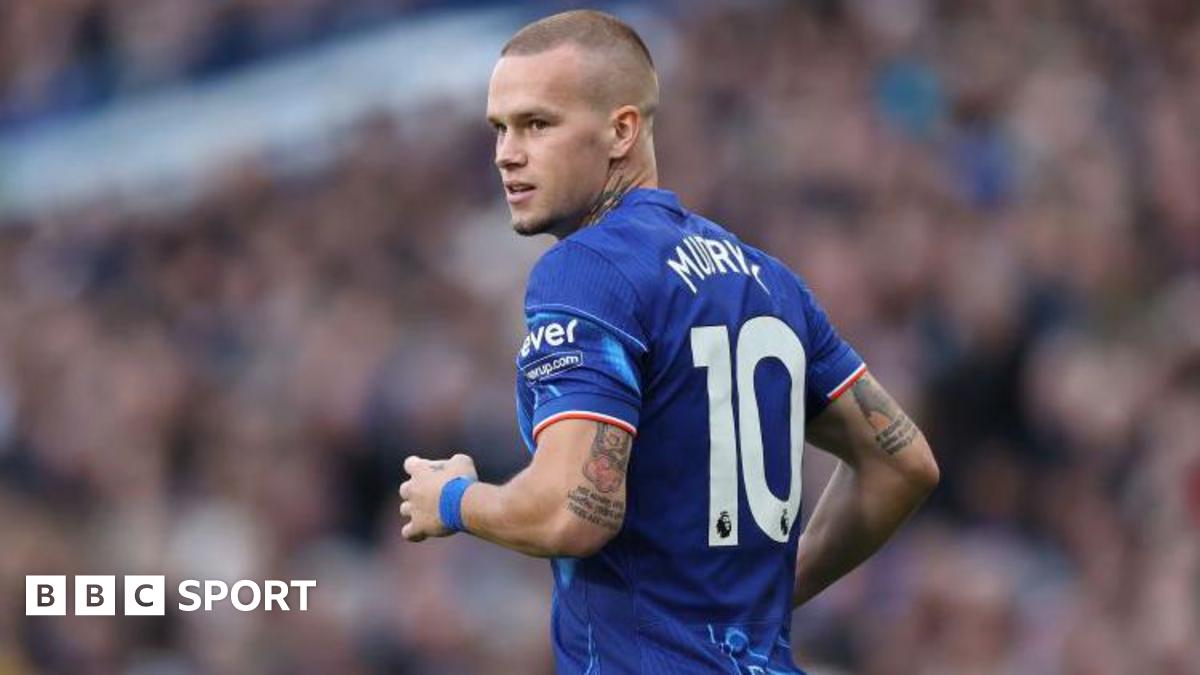
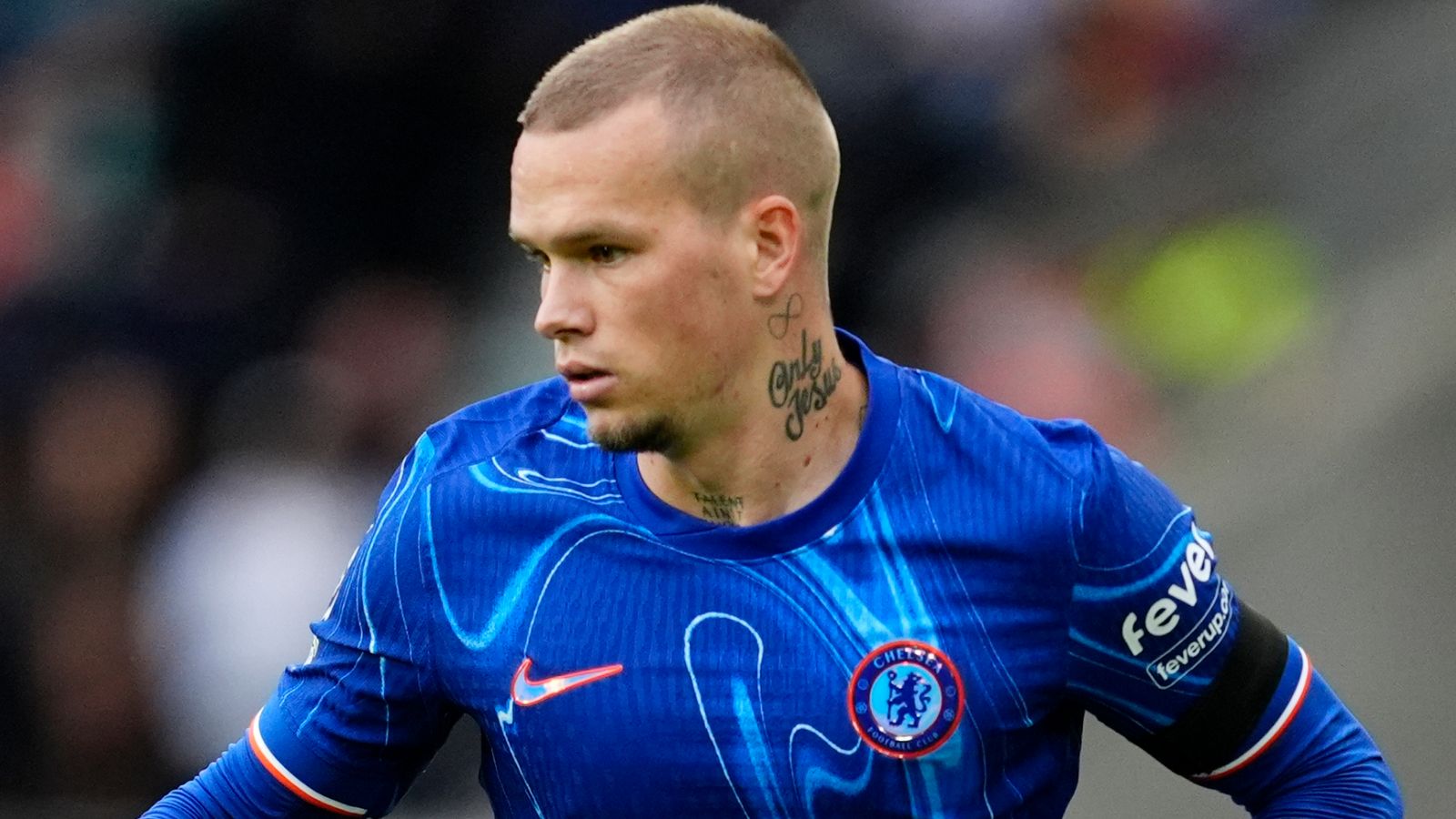
The long shadow over Stamford Bridge
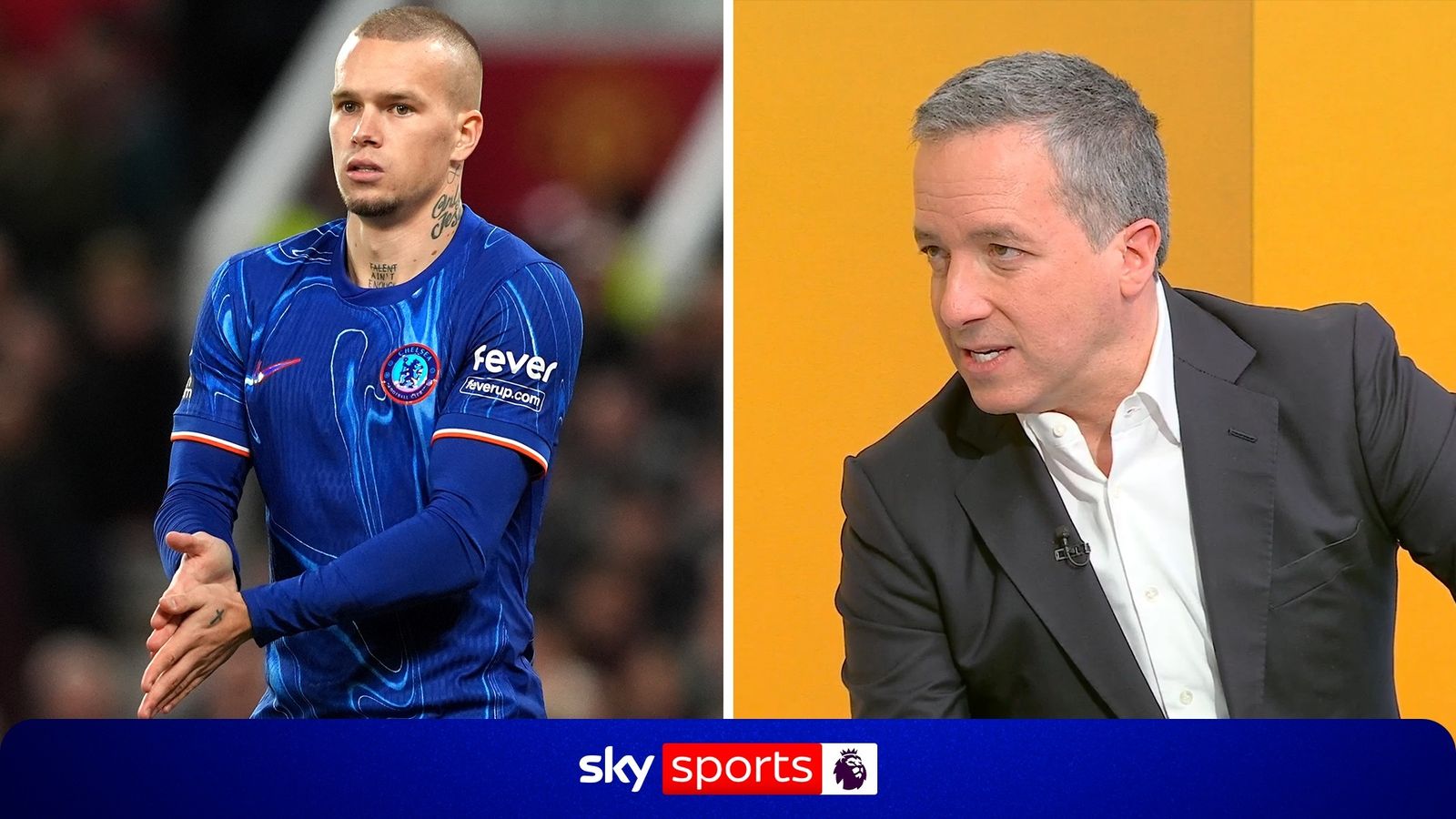
Chelsea finds itself in a bizarre, uncomfortable position regarding Mykhailo Mudryk. The winger has not seen competitive action for the club since 2024, a timeline that feels like an eternity in the fast-moving world of Premier League football. Reports from The Mirror indicate that the Ukrainian international is currently sidelined pending the outcome of a positive doping test. The stakes, to put it mildly, are career-altering.
We are looking at a potential ban of up to four years. For a player whose transition to London was already characterized by inconsistent output and adaptation struggles, this news serves as a massive technical displacement. The club has effectively been forced to plan their squad without a player who arrived with significant commercial and tactical expectation.
What happens to the Chelsea wing rotation?
Without Mudryk, the chemistry in the final third has looked fragmented. He was originally brought in to provide that verticality which stretches a low block, pulling defenders out of their designated zones with pure pace. His absence has forced the coaching staff to cycle through secondary options who lack his specific profile. The xG contribution from the left flank has dipped noticeably since his removal from the matchday squads.
You can see the frustration in Chelsea’s build-up play. They are currently reliant on inverted wingers who want to cut inside and combine in crowded half-spaces, but without the width that a fit Mudryk provides, the spacing is compressed. It makes life easier for disciplined defensive units who can simply collapse toward the middle. Chelsea’s inability to isolate full-backs in 1v1 situations has become a recurring theme over the last eighteen months.
Internal pressures and individual focus
There is nothing worse for a manager than a training ground black hole. Information regarding Mudryk’s daily routine has been sparse, but sources suggest the personal toll of this uncertainty is immense. Modern athletes are built for cycles of recovery and performance; stripping away the matchday rhythm creates a psychological vacuum that is difficult to fill.
If the four-year ban is upheld, the club has a zero-value return on an investment that was supposed to be a cornerstone of their long-term project. It highlights the inherent danger in banking on raw physical development without a clear, modular framework. Chelsea must now weigh whether to invest in an immediate replacement or rely on the academy to plug the leaking gap on the left side.
My prediction? Chelsea will not see him in a blue shirt again before the summer hiatus. The administrative nature of doping proceedings rarely moves at the speed football supporters prefer. They are going to lean heavily on the current rotation and sacrifice some width for ball retention until the season concludes on May 28.