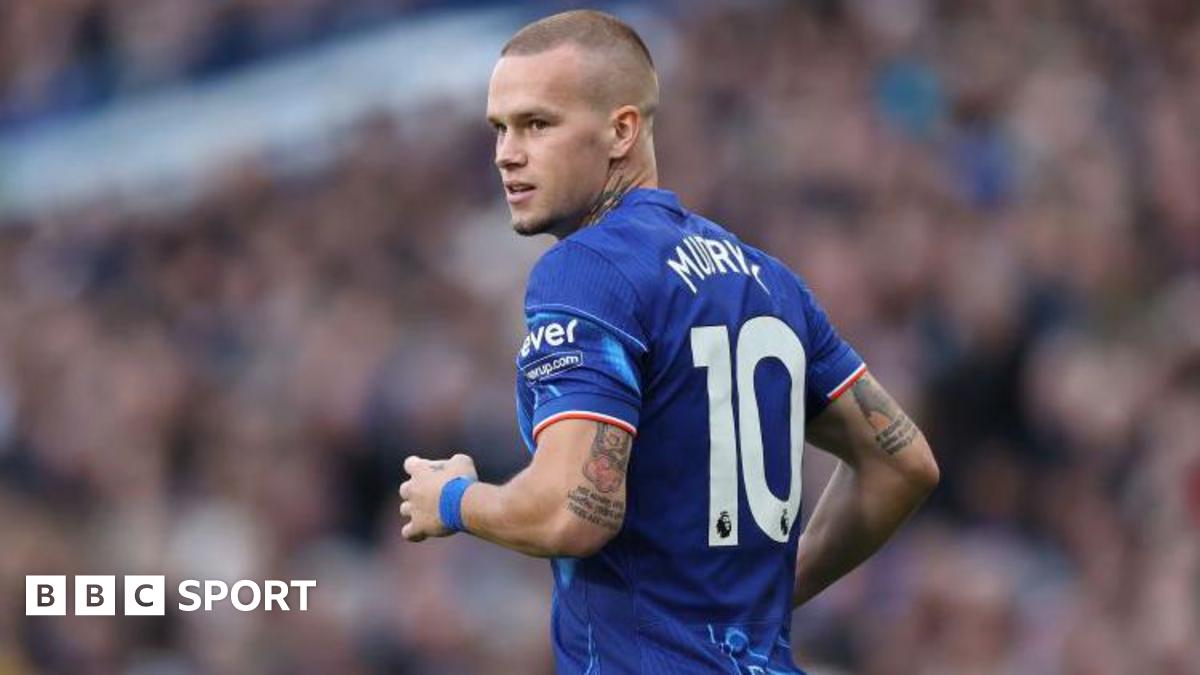
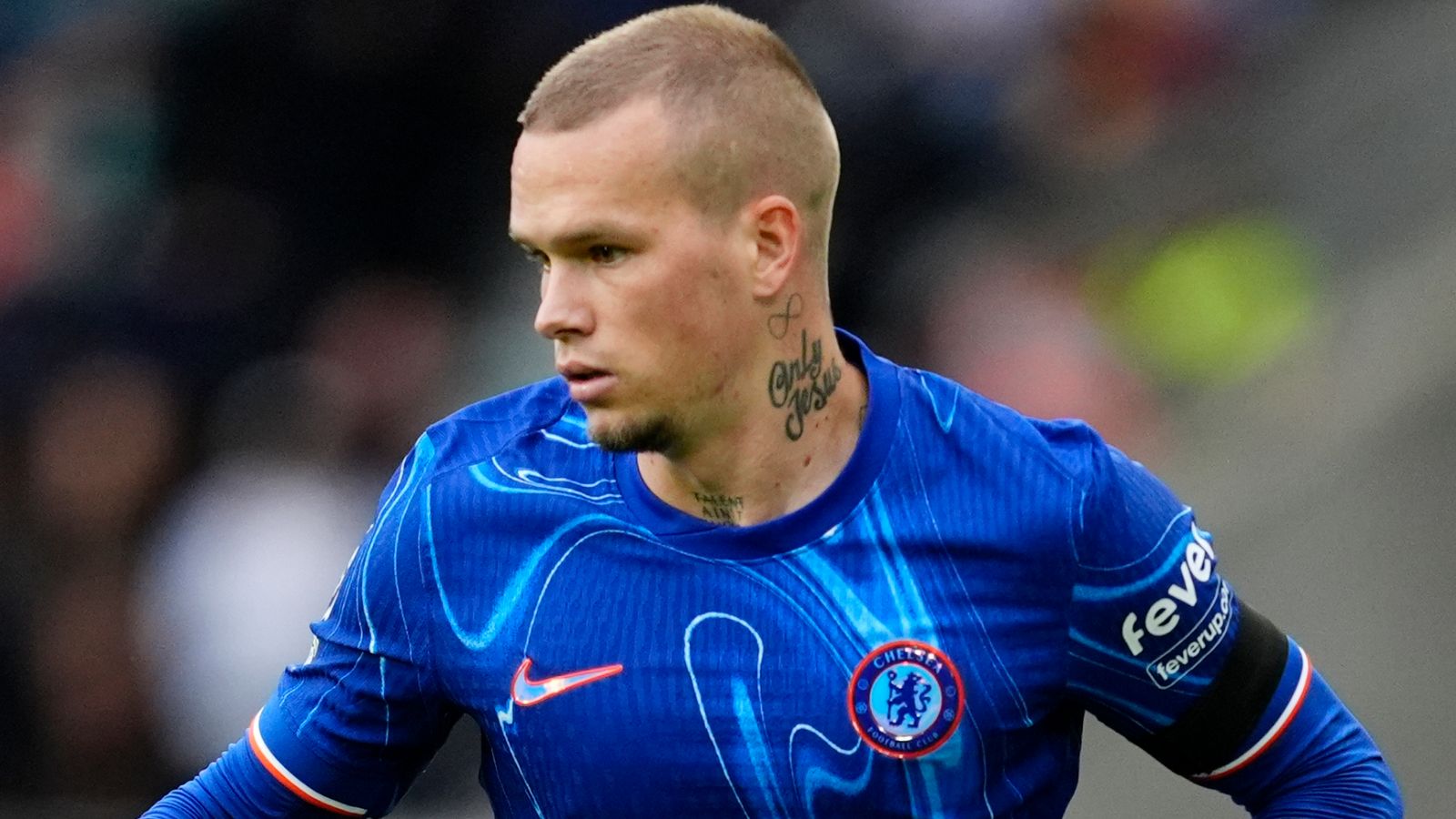
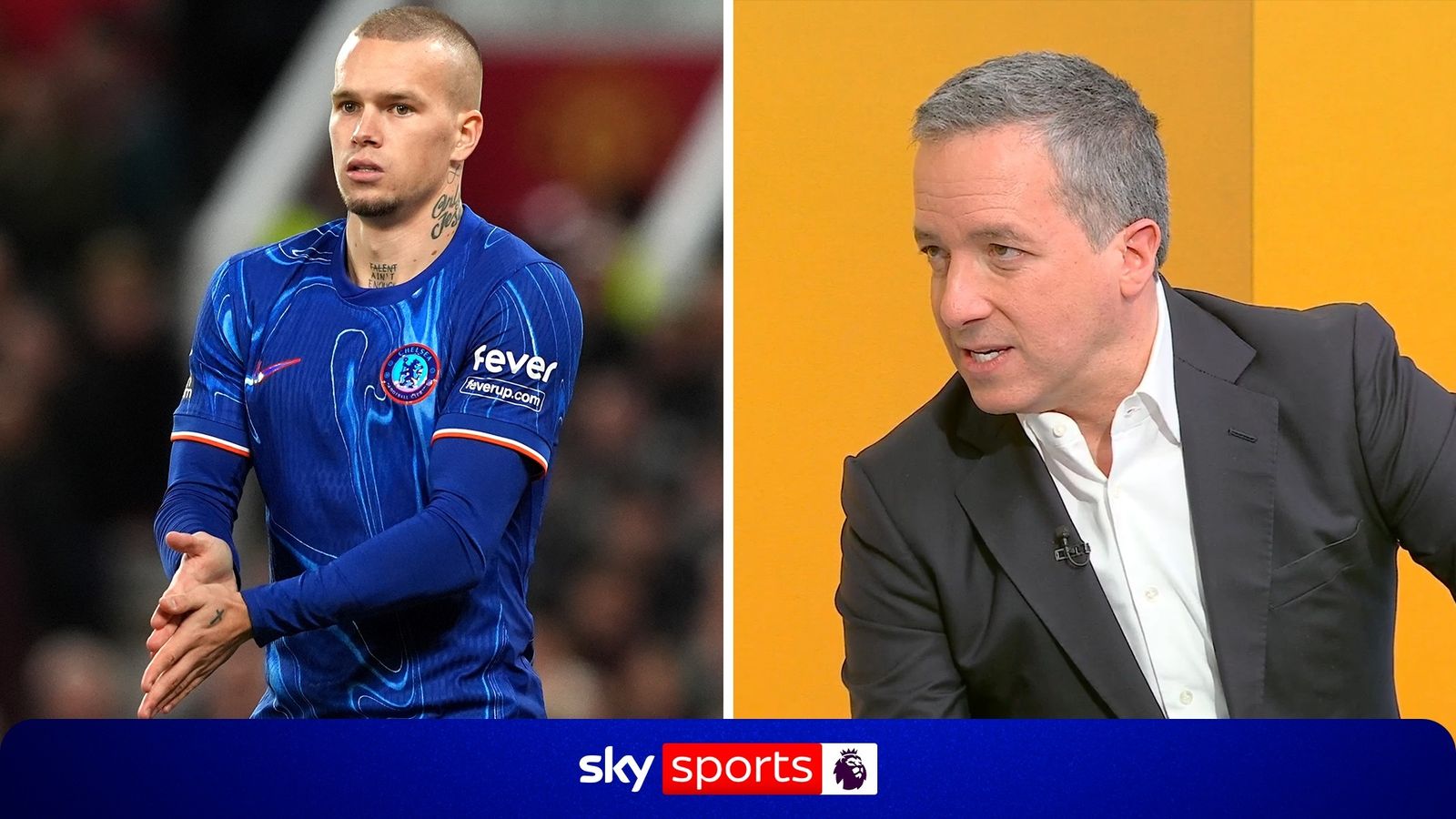
The news dropped heavily, and the internet reacted exactly how you'd expect: absolute chaos. Chelsea winger Mykhailo Mudryk has officially been slapped with a four-year ban by the FA for doping, dating back to his failed test in December 2024. Yes, the exact same substance that got Maria Sharapova exiled—the infamous 'Soviet super-soldier' drug, Meldonium. He is taking his fight to the Court of Arbitration for Sport (CAS), but the damage to his reputation, and Chelsea's fragile collective psyche, is completely done.
It has been over a year since we last saw the £88m man on a pitch, back in a forgotten Conference League tie a year ago this week. A year of whispers, bizarre fake news, and silence. Kieran Gill at the Daily Mail revealed the winger even subjected himself to a lie detector test to prove his innocence. Now that the FA's verdict is public, the football community has split into warring factions. I spent the last 48 hours wading through the trenches of Reddit and X so you don't have to. Here is how the fanbase is digesting the scandal.
The Skeptics Numb To The Pain
For a vocal portion of the Chelsea fanbase, this is the final nail in the coffin of the worst transfer in Premier League history. The primary emotion isn't anger at the player; it is sheer exhaustion with the club's scouting and medical departments. They are completely tired of being the punchline.
A quick scroll through the Chelsea subreddit reveals a fanbase completely numb to the pain. The general consensus is that fans cannot even be mad anymore. They point out the brutal irony: the club aggressively hijacked Arsenal's deal, paid a massive fee, and the player gets popped for a banned substance, only to still consistently blast his shots into row Z. The overriding sentiment is that if you don't laugh at the absurdity, you will inevitably cry.
It is a brutal assessment, but it captures the current mood. The irony of a player whose entire game relies on explosive pace testing positive for a performance enhancer isn't lost on anyone. Arsenal supporters are treating this news like divine intervention. Mudryk is being photoshopped into Rocky IV snow-training montages. But underneath the jokes is real frustration from match-going fans who watched him struggle, only to find out he was allegedly synthetically enhanced while doing so.
The Cobham Conspiracy Theorists
Then you have the contrarians. This group refuses to believe that a young player managed to source and administer a banned substance without anyone at Cobham noticing. They are pointing fingers directly at the Chelsea medical staff and the shadowy entourage surrounding the player.
Over on X, prominent tactical accounts are aggressively pushing back against the official narrative. They argue there is absolutely zero chance a young kid living out of a hotel is orchestrating a sophisticated doping operation by himself. They are demanding to know where the club's medical oversight was. For these fans, the fact that he willingly subjected himself to a lie detector test proves how desperate he is to clear his name, leading to widespread accusations that the club threw him under the bus.
According to the reporting, Mudryk's last twelve months have been a living hell of fake news and isolation. The contrarians argue that the FA needed a high-profile scapegoat and Mudryk was the perfect target. They point to the absurdity of the substance itself. Why would a modern footballer use Meldonium, a drug famously banned since 2016 and guaranteed to flag on any test? It reeks of incompetence rather than malice. The defense is built on the premise that nobody could be stupid enough to take it intentionally.
The CAS Hopium Addicts
Finally, we have the eternal optimists. These are the fans who still think Mudryk is the second coming of Eden Hazard and are clinging to the impending CAS appeal like a life raft. They look at Paul Pogba having his massive ban reduced to 18 months and see a clear path to redemption.
On dedicated supporter forums, hopeful fans are convincing themselves that CAS always reduces massive bans if the player can prove the ingestion wasn't intentional. They lean heavily on recent history, citing how Pogba got off with a significantly reduced sentence. The prevailing theory among this group is that if Mudryk's legal team can prove a simple supplement contamination, he will be back on the pitch by next season.
This faction is busy doing amateur legal analysis and analyzing the FA's burden of proof. They argue that a four-year ban is a career death sentence, and that CAS will recognize the disproportionate nature of the punishment. They conveniently ignore the fact that Mudryk hasn't kicked a competitive football since the spring of 2025. They focus entirely on a hypothetical future where he returns vindicated and justifies his price tag.
The Verdict: Reality Bites
So, who is actually right here? Having spent hours dissecting the vitriol, despair, and delusional optimism, I side heavily with the skeptics questioning the entire operation at Chelsea. The enthusiasts banking on a CAS reduction are ignoring a massive reality check. Even if he gets the ban slashed in half, his development is completely stunted. You cannot miss two years of football during your physical peak and return to the Premier League as a world-beater.
The idea that this is entirely a failure of the Chelsea medical staff is an interesting thought experiment, but ultimately irrelevant to the governing bodies. Strict liability means the player is responsible for whatever enters his body. You simply cannot blame the club doctor when you fail a test for a drug that was blacklisted a decade ago. It is a catastrophic failure of personal responsibility, regardless of who handed him the pill or the shake.
The real tragedy here is the human element that gets lost in the Twitter banter. The Daily Mail reporting paints a bleak picture of a young man caught in a whirlwind of paranoia, lie detector tests, and isolation. The sheer volume of fake news surrounding his absence over the last year has clearly taken a heavy emotional toll. You have to feel for him. But sympathy doesn't win legal appeals.
The skeptics have the strongest argument because they deal in the harsh reality of the situation. Chelsea spent a fortune on a player who was supposed to be a cornerstone of a decade-long project. Instead, he has become a cautionary tale for modern scouting. A four-year ban means we won't see him again until 2028. By then, the game will have moved on, and Mudryk will be relegated to a pub trivia question. Even if CAS steps in, the permanent damage is done.
Chelsea are staring down the barrel of a massive summer window with a gargantuan mistake hanging over their heads. The stigma of the 'Soviet super-soldier' drug will follow him to every away ground in the country if he ever plays again. The fans banking on a triumphant return are writing pure fan fiction. The cold reality is that Mykhailo Mudryk's Chelsea career is likely over before it ever really began, and the fans laughing through the pain are the only ones dealing with it in a healthy way.