The Incident at Stamford Bridge
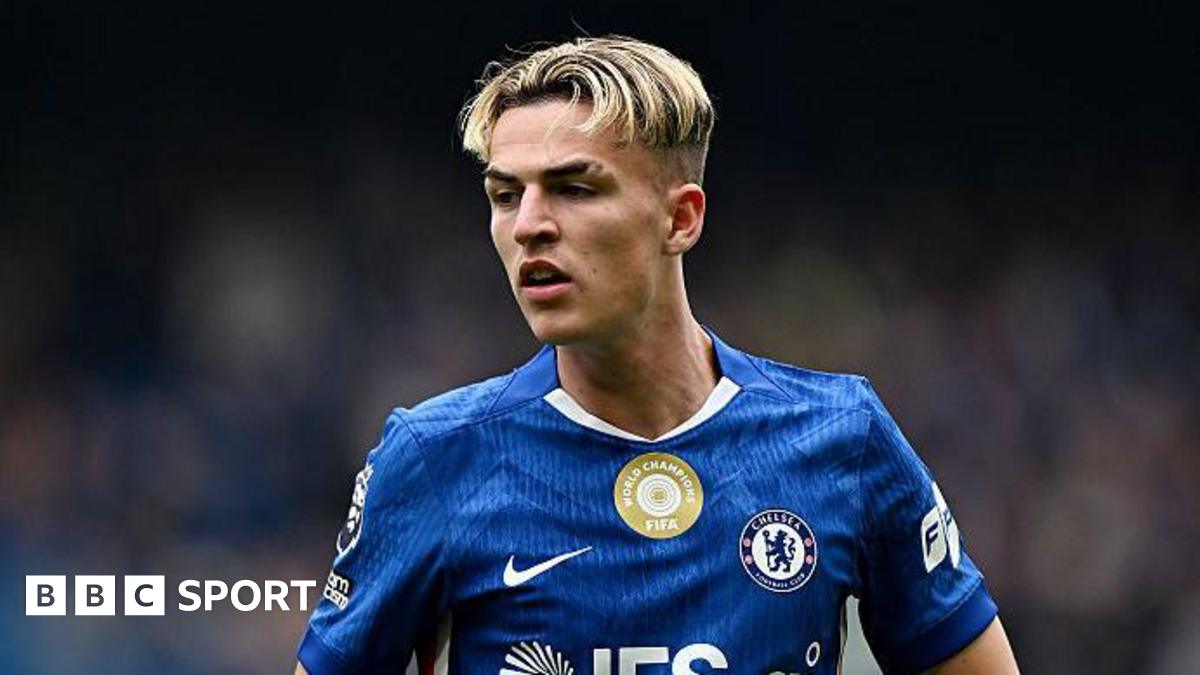
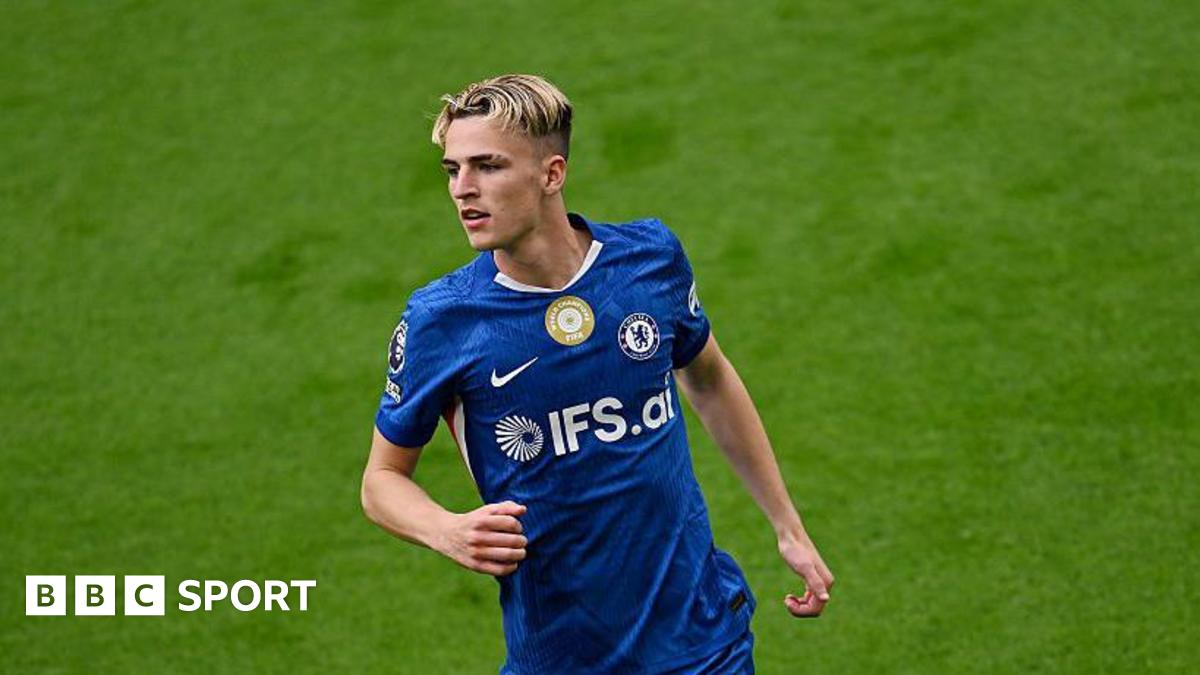
The stark reality of Premier League football hit Chelsea winger Jesse Derry on Monday night. During a tense home match against Nottingham Forest, the teenager sustained a serious head injury following a nasty clash of heads. The collision was severe enough to warrant immediate removal from the pitch.
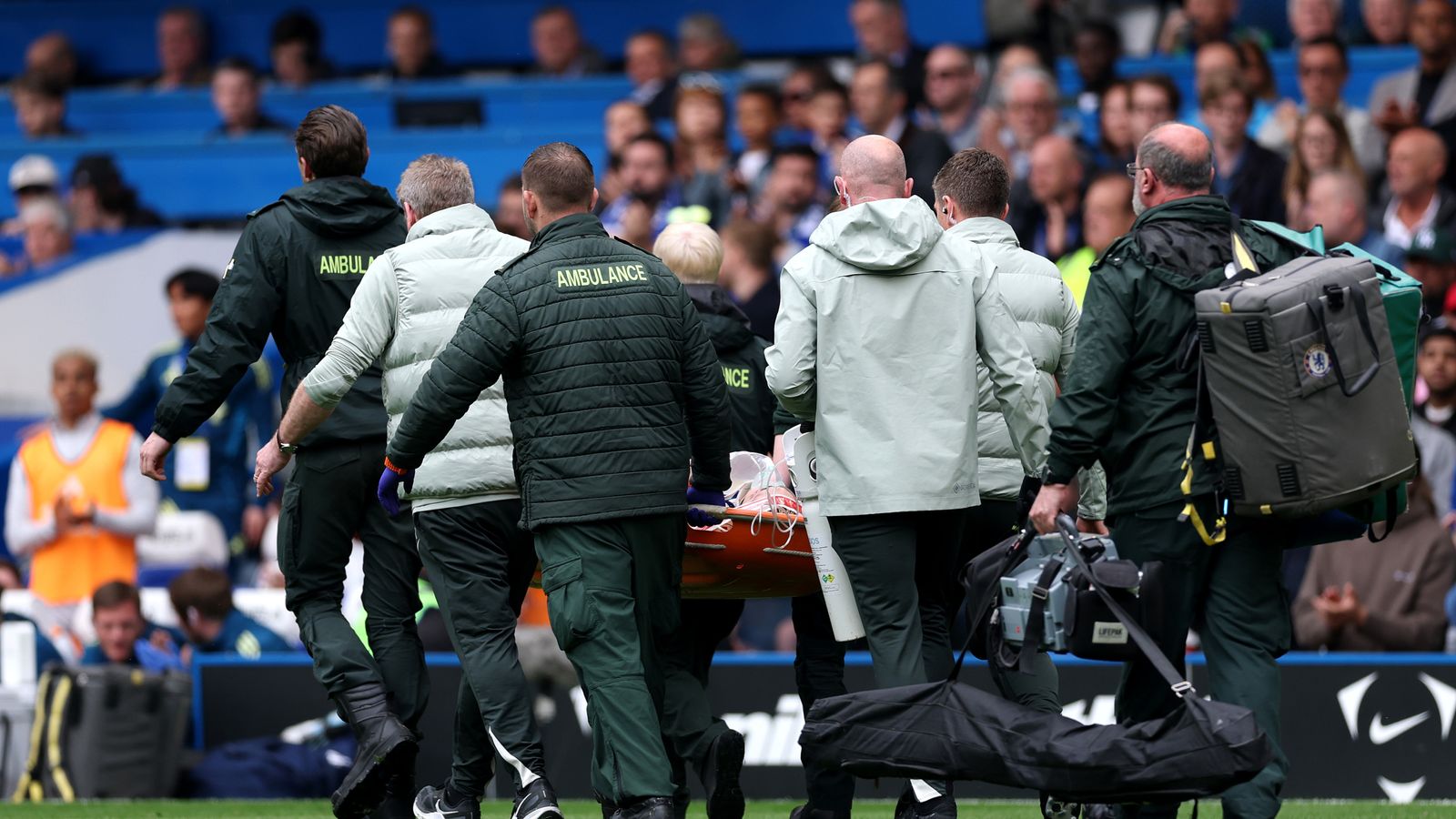
Medical staff rushed onto the field almost instantly, recognizing the danger. Derry was subsequently stretchered off and taken directly to a local hospital. It was a sobering moment that silenced the stadium. Fans watched anxiously as the medical team took careful precautions before moving the young winger.
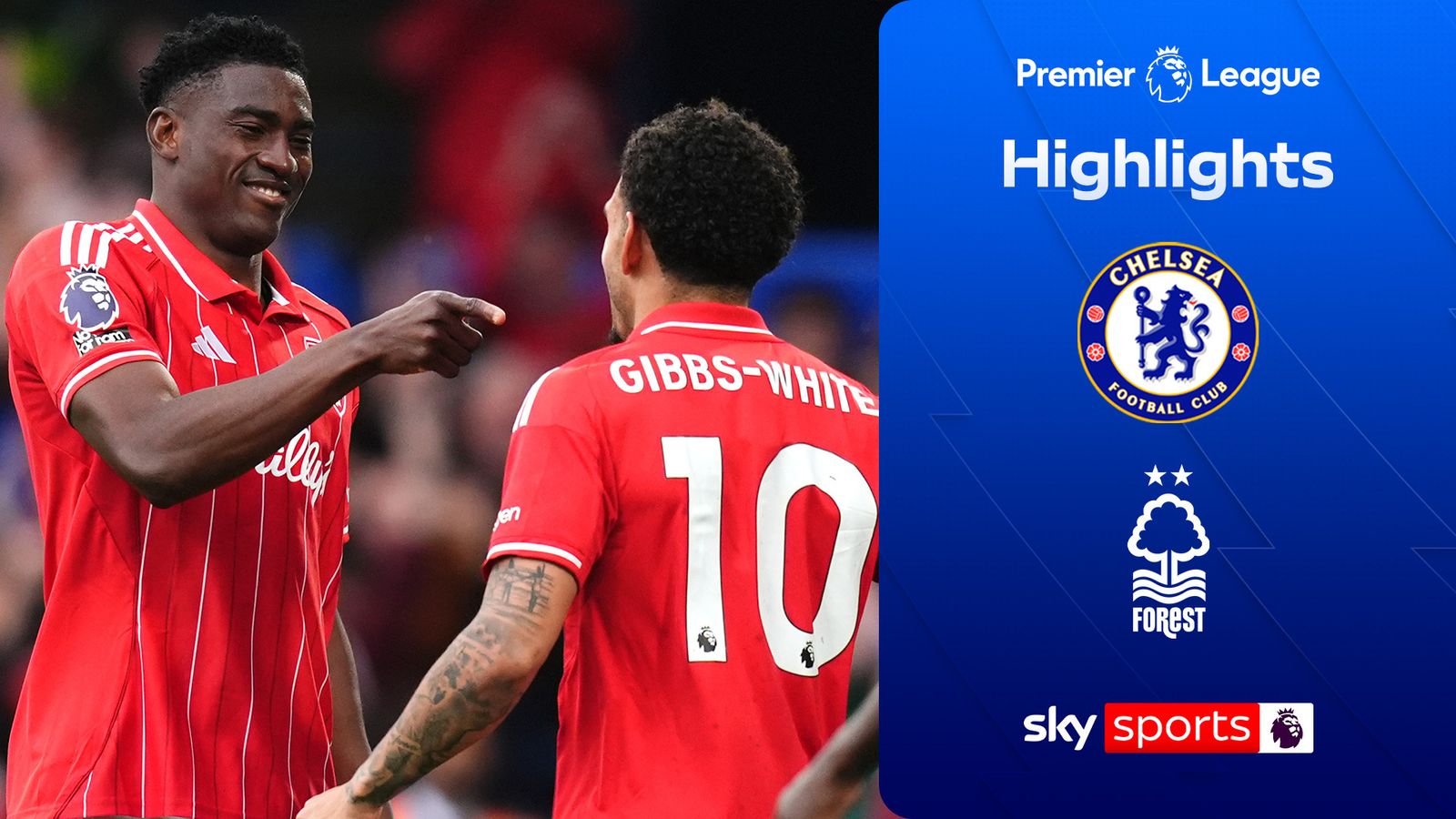
As the Mirror reported, the incident cast a dark shadow over the fixture. The match itself immediately became secondary to the health of the player. Nottingham Forest also suffered a significant casualty in what turned into an incredibly physical encounter.
Forest star Morgan Gibbs-White was also forced off the pitch during the bruising game. As noted in Metro's injury update, the physical toll of Monday's clash was unusually high for both squads. The double blow altered the dynamic of the match significantly.
Immediate Medical Response
When a player suffers a head collision of this magnitude, the immediate medical response dictates everything. Premier League medical teams operate under strict guidelines for head trauma. Suspected concussions require rapid assessment and immediate evacuation when red flags appear.
The speed at which the Chelsea medical staff reacted was absolutely vital. They stabilized his neck and ensured his airway was clear before carefully transferring him to the stretcher. These early interventions are essential in preventing secondary brain injury in the vital moments after impact.
Once at the hospital, players typically undergo extensive neurological exams to gauge the severity of the trauma. CT scans or MRIs are standard protocol to rule out skull fractures, subdural hematomas, or other severe intracranial injuries. The football community will be waiting nervously for these results.
The first 48 hours following a severe head impact are always the most critical. Doctors will monitor Derry closely for any changes in consciousness, severe headaches, or delayed neurological deficits. The club's medical staff will be in constant communication with the hospital specialists handling his care.
Historical Precedents and Player Safety
Head injuries in football are not a new problem, but our medical understanding of their severity has evolved dramatically. The sport has seen its share of horrifying head collisions that altered careers. Ryan Mason's fractured skull in 2017 remains a grim benchmark for these terrifying incidents.
Mason was forced into early retirement after a sickening clash of heads with Gary Cahill. More recently, Wolves striker Raul Jimenez suffered a fractured skull but managed to miraculously return to the pitch after extensive surgery and rehabilitation. Jimenez now wears protective headgear during every single match.
These historical cases highlight the deeply unpredictable nature of traumatic head injuries. Some players return within weeks without issue, while others face months of grueling recovery or forced retirement. The governing bodies have faced immense pressure to prioritize player safety over the flow of the game.
Arsenal legend Petr Cech is another famous example, having returned to play with his iconic scrum cap after suffering a depressed skull fracture. These players provide hope for a full recovery for Derry, but they also serve as stark reminders of the inherent dangers of professional football.
The Debate Over Concussion Protocols
Every time a player is stretchered off with a severe head injury, the loud debate around the sport's concussion protocols reignites. Critics rightly argue that the Premier League is still lagging behind sports like rugby union. Football still relies heavily on the immediate, high-pressure judgment of club doctors.
While these club doctors are highly trained professionals, evaluating a potentially concussed player in front of thousands of screaming fans is far from ideal. Symptoms of a concussion can frequently be delayed, appearing several hours after the initial impact. A quick flashlight test on the grass is simply not enough.
If Derry's injury proves to involve a severe concussion or structural damage, it will likely prompt renewed calls for independent match-day doctors. An independent doctor could make objective medical decisions without the inherent pressure of club affiliations. This idea has been floated for years but met with resistance.
The introduction of permanent concussion substitutes was undoubtedly a positive step forward for the league. However, many medical professionals firmly argue that temporary concussion subs would allow for much more thorough off-pitch assessments. The current substitution system still places medical staff under immense time pressure on the field.
Strategic Implications for Chelsea
Beyond the primary concern for Derry's health, Chelsea must navigate the strategic fallout of his sudden absence. The teenager has been an exciting prospect for the club this season. Losing a dynamic, direct winger heavily disrupts their attacking options during a critical phase of the campaign.
Chelsea's squad depth will be heavily tested in the coming weeks without him available. The medical team will undoubtedly take an incredibly cautious approach with his long-term recovery plan. Head injuries stubbornly refuse to follow the predictable healing timelines of muscle strains or ligament tears.
A typical return-to-play protocol for a straightforward concussion requires a minimum of six days of graduated progression. However, given that Derry was taken straight to the hospital on a stretcher, his situation appears far more serious than a standard concussion. He could easily be sidelined for months.
The manager will be forced to shuffle his attacking lineup immediately. This sudden void forces senior players to log heavier minutes and causes a chaotic ripple effect across the entire squad rotation.
Psychological Impact and Recovery
The immediate, pressing focus remains strictly on Jesse Derry's physical health. Chelsea will likely issue a formal, detailed update once the hospital successfully completes its rigorous evaluations. Until that statement arrives, fans and pundits alike can only wait anxiously and hope for positive news regarding the teenager.
If there is thankfully no structural damage to the skull or internal brain bleeds, the recovery will strictly focus on managing post-concussion symptoms. Total rest, heavily limited screen time, and a painfully slow reintroduction to light aerobic activity are the standard first steps.
There is absolutely no rushing a traumatic brain injury in modern sports. The club will have to be exceptionally patient, regardless of their fixture list. We have seen players rushed back too soon in the past, only to suffer lingering symptoms that completely ruin their form and confidence.
The psychological impact on Derry and his Chelsea teammates also cannot be casually ignored. Witnessing a young teammate stretchered off wearing a neck brace often leaves a lingering mental hurdle for the entire squad to overcome. The locker room will be anxious, waiting for updates from the hospital.
For now, the football world holds its collective breath for Jesse. A highly promising young player's career and long-term health hang in the balance after a freak incident. The coming days will provide much-needed clarity, but Monday night at Stamford Bridge will unfortunately be remembered for all the wrong reasons. The entire footballing community is united in wishing him a rapid and complete recovery.