A cruel end to a milestone night
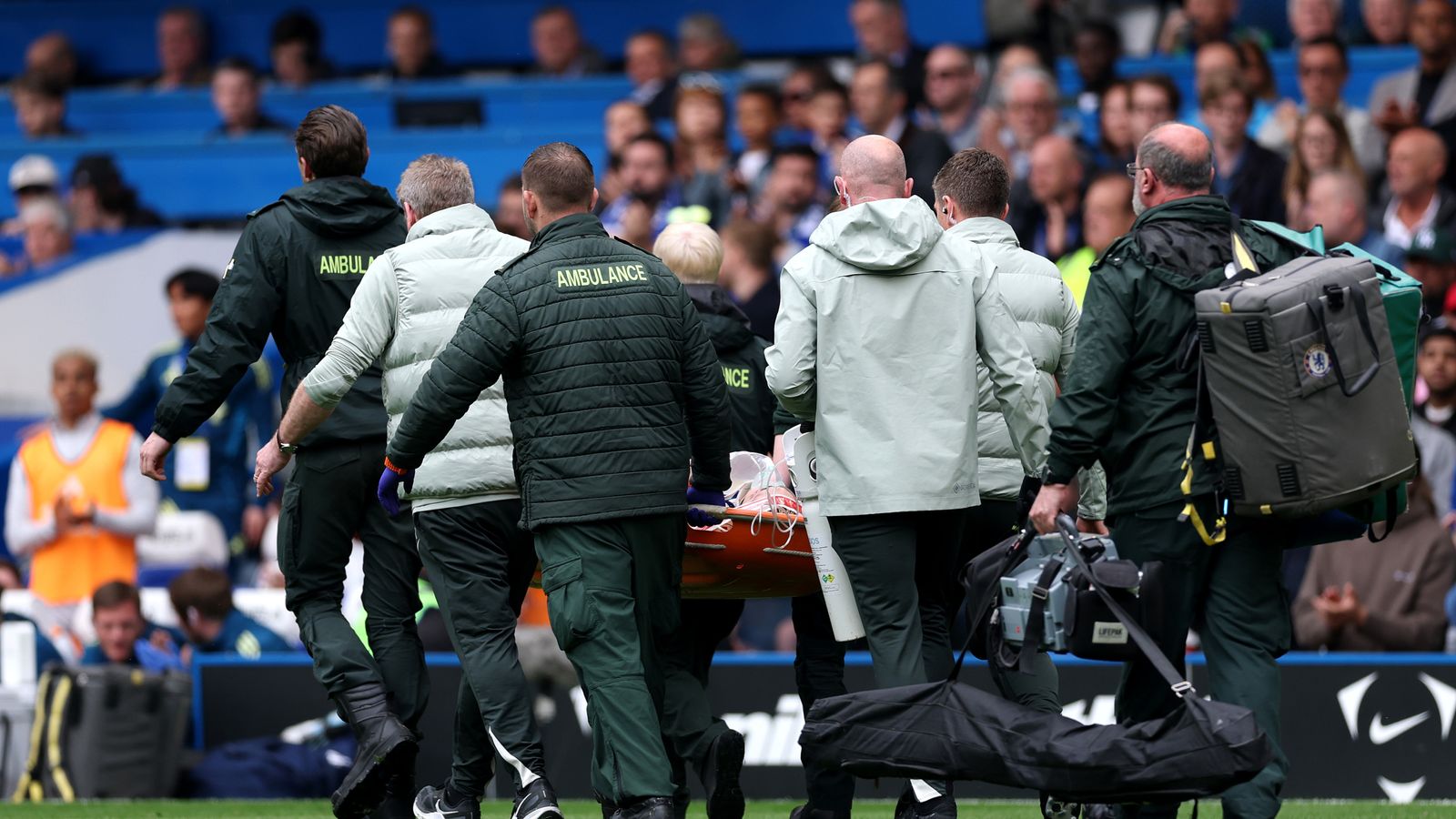
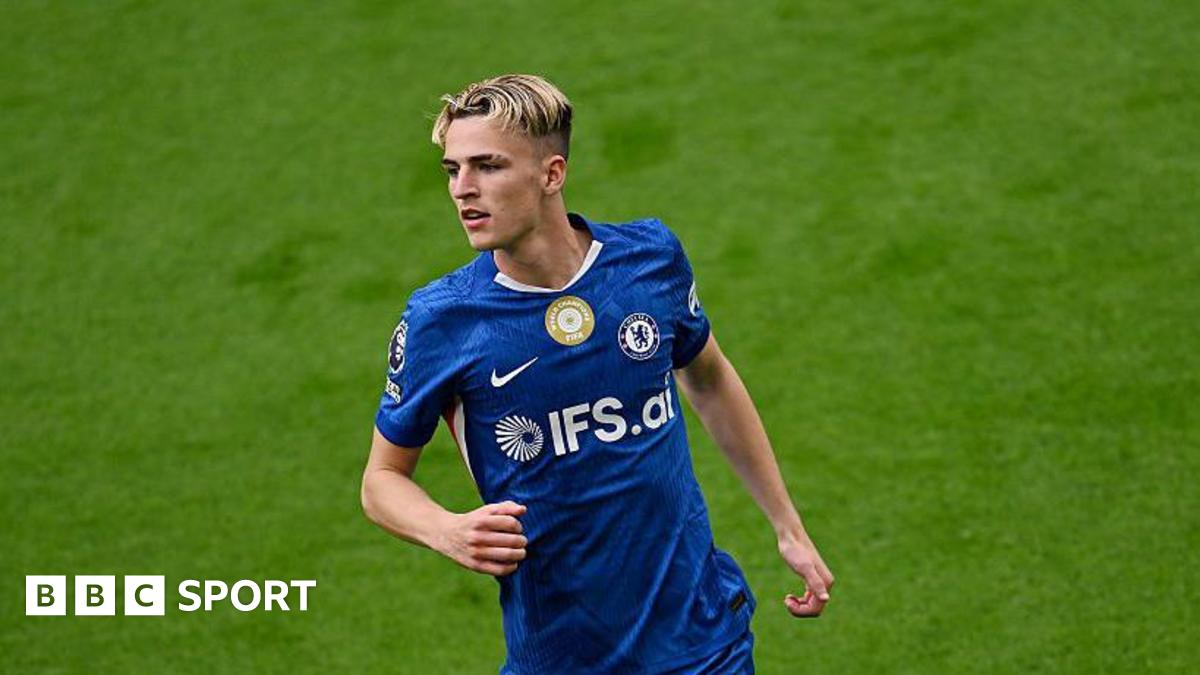
Making a senior debut for Chelsea at 18 years old is supposed to be the defining moment of a young player's career. For Derry, Monday night against Nottingham Forest delivered the milestone, but the celebration was brutally cut short. A severe head injury ended his match prematurely, forcing medical staff to rush the teenager to a local hospital, as reported by the BBC.
"A dream come true," Derry noted, acknowledging the debut despite the hospital surroundings.
The stark contrast between a teenager realizing his lifelong ambition and the sight of medical personnel stabilizing a head trauma is jarring. Football moves incredibly fast, but moments like this freeze the stadium. The immediate priority is no longer tactics or points; it is strictly neurological preservation.
The medical reality of head collisions
Head injuries in elite football remain the sport's most terrifying variable. When an 18-year-old hits the turf and stays down, the medical response must be flawless. Protocol dictates immediate assessment for concussion, spinal stability, and intracranial trauma.
The decision to transport Derry to the hospital means the pitch-side medical team saw enough red flags to bypass the locker room entirely. This is standard operating procedure, but it never gets easier to watch.
Modern football demands incredible speed and physicality. When a teenager steps up to the Premier League level, the sheer force of the collisions represents a massive leap from youth football. Head-to-head clashes or awkward falls result in forces that the human skull is not designed to absorb repeatedly.
In the hospital setting, Derry will undergo a battery of scans. CT scans or MRIs are utilized to rule out fractures or internal bleeding. The fact that the player was conscious enough to reflect on his debut is a positive sign, but neurological symptoms can develop hours after the initial impact.
The burden of the concussion protocol
Football's governing bodies have faced massive criticism over the last decade regarding head injuries, and rightfully so. The implementation of permanent concussion substitutes was a step forward, but the sport still wrestles with the long-term reality of brain trauma. For Chelsea, the immediate future involves strict adherence to the FA's graduated return-to-play guidelines.
This is where the frustration sets in for a young player. The standard concussion protocol requires absolute rest. No screens, no physical exertion, no training ground banter.
For an 18-year-old who just tasted the Premier League, sitting in a dark room for a week is psychological torture. The brain needs time to heal, but the ambition of a newly blooded academy graduate screams to get back on the grass. Clubs are inherently selfish entities; they want their players available.
But with head injuries, the medical department must construct an impenetrable wall between the manager's desires and the player's health. The minimum stand-down period is typically seven to fourteen days, but youth players often face even more conservative timelines. The developing brain is particularly vulnerable to secondary impact syndrome.
Evaluating the risk for academy graduates
There is a broader conversation here about throwing teenagers into the deep end against seasoned professionals like those in the Nottingham Forest squad. The physicality of a late-season Premier League clash is brutal. Men are fighting for contracts, points, and survival.
An 18-year-old steps into that arena carrying pure adrenaline, which can often mask the immediate pain of a heavy knock. Chelsea's academy is a factory of talent, but the physical jump to the first team is a chasm. The injury to Derry exposes a glaring failure in how we romanticize the youth debut.
We celebrate the narrative of the homegrown kid, but we often ignore the extreme physical danger they step into against men who are ten years older and significantly stronger. The gap in sheer muscle mass is undeniable. The medical team deserves credit for acting decisively in this instance.
Too often in the past, players were patched up, handed a fresh shirt, and sent back out to run it off. The sight of an ambulance or a hospital trip is distressing for the fans, but it represents a necessary evolution in medical care. It is a harsh reality check that no match is worth a player's long-term cognitive function.
Learning from the past
We have seen this script before, and the outcomes vary wildly depending on the initial medical management. Think back to the horrifying clash involving Ryan Mason, or the skull fracture suffered by Raúl Jiménez. Those players faced months of gruelling rehabilitation stemming from a single, chaotic aerial challenge.
Young players bouncing back from severe head trauma require unique rehabilitation. It is not like rehabbing a hamstring. A torn muscle has a predictable timeline; the brain does not.
Chelsea's medical staff will lean heavily on neurological specialists rather than just their in-house physios. They will use baseline cognitive tests taken at the start of the season to measure his current brain function against his healthy state. The industry as a whole is watching.
Every time a young player goes down like this, the debate reignites around whether youth players should wear protective headgear. Until those broader changes happen, players like Derry remain incredibly vulnerable. The chaotic physics of a bouncing ball in the penalty area will continue to claim victims.
The timeline for a return
So, what happens next? Derry's immediate season is likely paused. With the current date being May 5, the football calendar is winding down.
Chelsea has little incentive to rush him back for the final few weeks of the campaign. The smart play is to shut him down, allow a full neurological recovery, and target pre-season as the real return date. Any return to training will follow a strict, multi-stage process.
It starts with light aerobic exercise, progresses to football-specific drills without contact, and finally, full contact training. If any symptoms—headaches, dizziness, blurred vision—return during this progression, the clock resets. It is a frustrating, non-linear recovery path that tests the patience of everyone involved.
The psychological hurdle will be just as significant as the physical one. The first time he goes up for a header in training, the memory of the Nottingham Forest match will be right there. How he navigates that fear will determine his trajectory.
Derry achieved his dream, but the price of admission was a sharp lesson in the unforgiving nature of professional football. For now, the focus shifts entirely from his potential on the pitch to his recovery off it. A hospital bed is a lonely place for a teenager who should be celebrating.
Chelsea will support him, the medical staff will monitor him, and the football world will move on to the next fixture. But for Derry, the real work is just beginning. He has a long road ahead before he can step back onto the pitch safely.