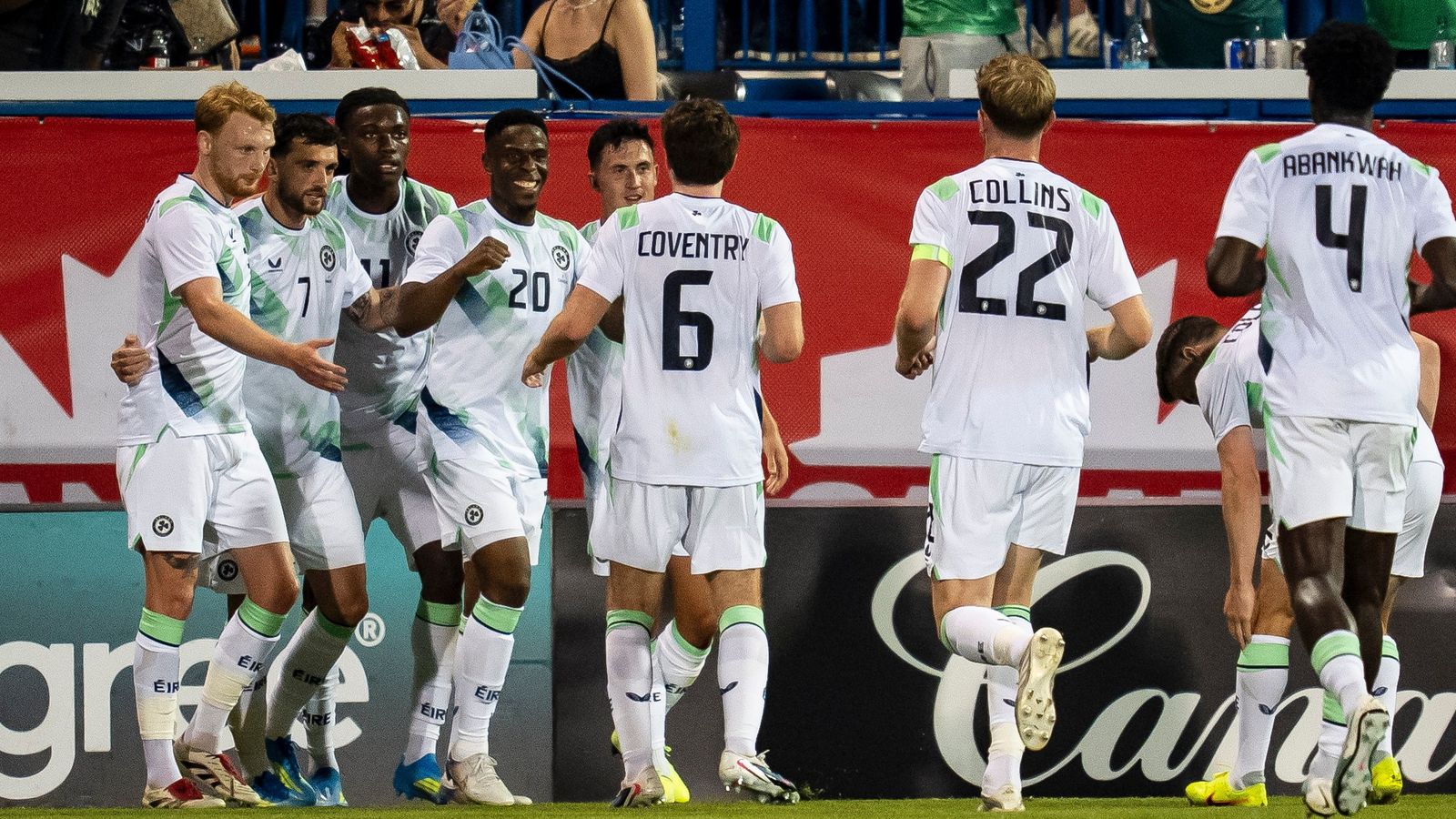
Ogbene exits early as Ireland faces Canada
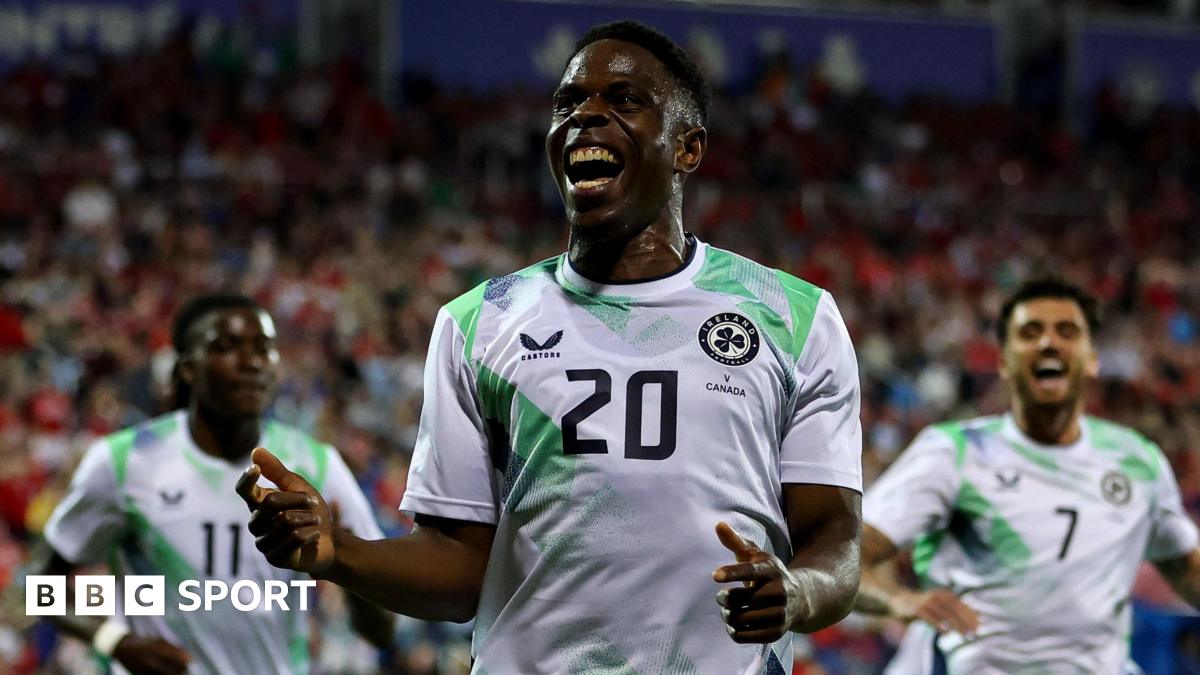
Chiedozie Ogbene limped off the pitch during the Republic of Ireland’s 1-1 draw against Canada today. The forward appeared to sustain a soft-tissue injury while tracking back in the 74th minute. He walked off under his own power but required immediate attention from the medical staff.
As Sky Sports confirmed, Ogbene was arguably the most dangerous player on the pitch before this setback. His equalizer in the 38th minute neutralized Canada’s early lead and highlighted his importance to the squad dynamic. Managerial staff have yet to confirm the exact nature of the damage involving his right hamstring.
The math on the injury timeline
The timing could not be worse for Heimir Hallgrímsson. With the 2026 World Cup kicking off in just five days, the window for a recovery protocol is almost non-existent. A grade one tear typically requires ten to fourteen days of rehabilitation.
If the medical staff recommends a cautious approach, Ogbene will miss the tournament opener. Even a minor strain presents a recurring risk in a high-intensity tournament format. Squad lists are finalized, and forcing an unfit player onto the roster is a recipe for a tactical disaster.
Strategic damage control
The loss of Ogbene forces a fundamental shift in Ireland's attacking identity. He provides a specific brand of transition speed that their bench options cannot replicate. Without his ability to stretch the defensive line, opponents can push their back four significantly higher up the field.
The medical report is expected to drop by 08:00 tomorrow morning following an MRI scan. If he is declared unfit, the Republic of Ireland must decide whether to seek an injury replacement or carry the player through the group stages. Given the strict FIFA roster guidelines, this is a binary choice: gamble on his availability or cut him for a substitute.
The broader tactical failure
Critics focusing on the match management have pointed to the decision to keep Ogbene on the pitch that late in a friendly. With the score tied and the tournament days away, the risk-to-reward ratio regarding his minutes was skewed. Management prioritized securing a result in a warm-up match over the protection of their primary offensive asset.
Ireland now enters their camp dealing with internal frustration and uncertainty. If they lose their most effective outlet for pace, the goal-scoring burden shifts to players who have struggled with finishing consistency during the qualification cycle. The reliance on Ogbene has been evident for months, and now that dependency carries a heavy cost.
Historical context and risk
Injuries sustained in the final week of pre-tournament prep are notoriously difficult to manage. Players often downplay discomfort to remain in the starting lineup, which frequently leads to worsened conditions after the first competitive game. History is littered with examples of tournament favorites losing momentum because they ignored the physiological limits of their core personnel.
The medical staff must weigh the long-term impact on the player's professional career against the short-term aspirations of this specific campaign. Pressing an injury of this nature leads to a higher probability of a full tendon rupture. That would be an avoidable tragedy for a player in his peak years of contribution.
The Republic of Ireland will watch the scans closely. If the result is negative, the tournament setup changes entirely. They are now playing for stability, not just points, as they adjust to the possibility of a roster without their star wide player.
Read Next
- Wales heads to Bucharest with ghosts of 1992 following them
- June friendly schedule carries high risk for World Cup hopefuls
- Thomas Tuchel's iron grip on England is a transfer window ticking time bomb
- Scotland’s hype man is the chaos agent we didn't know we needed
- 🏆 World Cup 2026 — Full Coverage Hub