Watkins undergoes immediate evaluation after Costa Rica sub
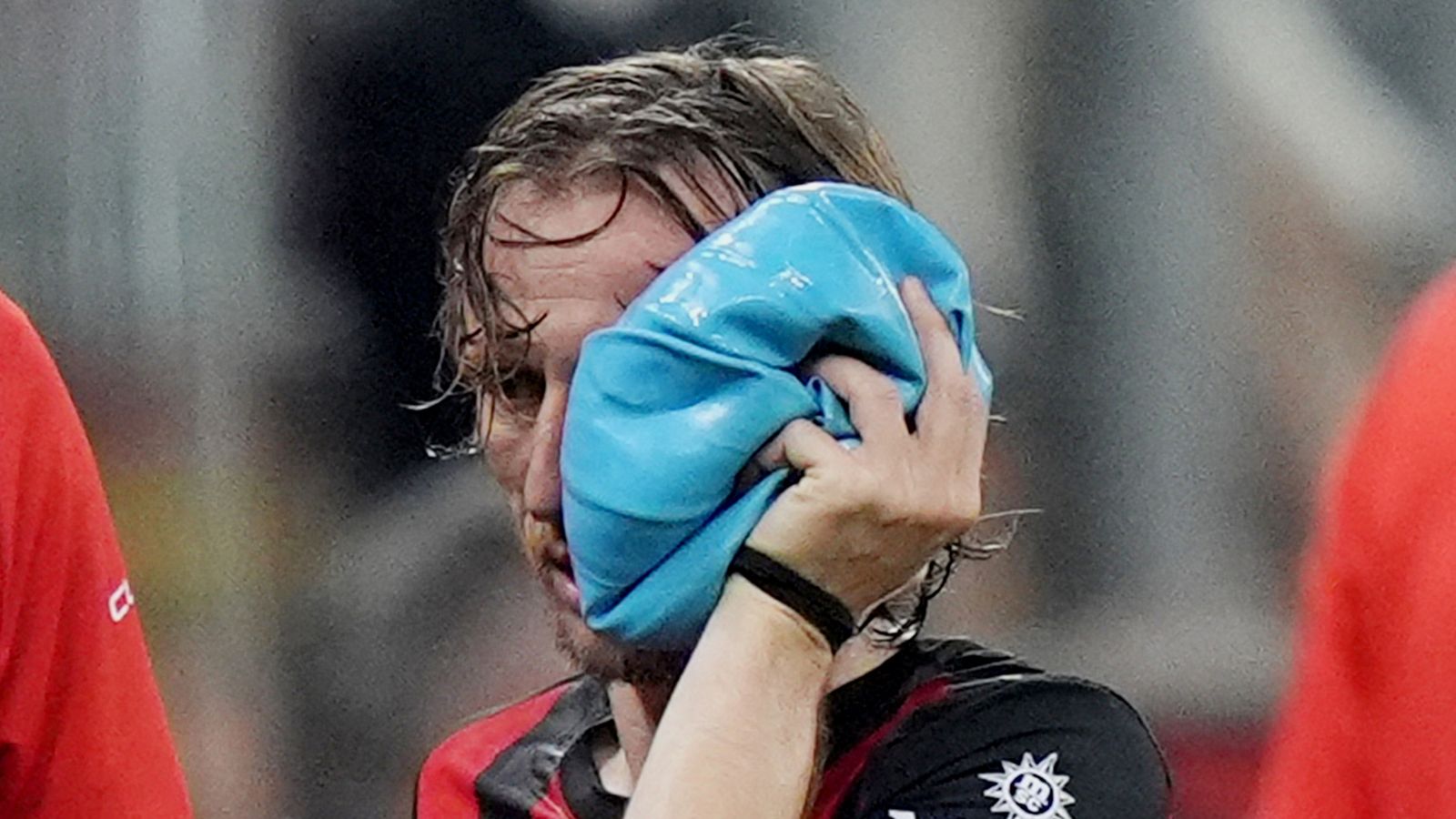
England forward Ollie Watkins was substituted in the 78th minute of yesterday's international friendly against Costa Rica. The striker had just cemented his case for a starting spot by netting the third goal in a 3-0 victory, but his celebration was immediately cut short by trainers after he grabbed at his hamstring.
Medical staff escorted Watkins to the tunnel for rapid assessment. Team doctors remain tight-lipped, but early observations point toward a Grade 1 strain of the right hamstring. Such an injury typically necessitates a recovery window of 10 to 14 days, placing his availability for the opening group stage matches in serious doubt.
The strategic void in Southgate's front line
Losing a target man with the unique vertical profile of Watkins forces an immediate tactical pivot. His ability to stretch backlines has been the cornerstone of the preparations seen during the recent friendly fixtures. Without him, individual output across the final third becomes predictably static.
The coaching staff must now decide whether to deploy a false nine or accelerate the fitness recovery of secondary options. This lack of depth highlights a recurring failure to insulate the squad against high-impact injuries. Dependency on a single profile of striker has historically left England vulnerable to sudden defensive shifts by opposition managers.
Precedent and the cost of late arrivals
We have seen this script before. The history of major tournaments is littered with impact attackers losing their spark during the final warm-up matches. Similar to the complications experienced in 2022, the intensity of summer friendlies often compromises muscle integrity ahead of the actual tournament kickoff.
The decision to risk a starter in a match one day prior to tournament flight departure is questionable at best. Managing heavy legs is a science, yet the scheduling reflects a lack of caution regarding player fatigue. If Watkins fails to recover, it leaves a glaring hole in a squad that otherwise boasts significant attacking depth.
Tactical ripple effects and rotation
Managerial staff are reportedly exploring emergency contingency plans to rotate the attacking trio. If the hamstring concern persists, the team will need to compensate for the lost pace during the transitional phase of counter-attacks. Opponents will certainly identify the lack of depth in the central position as an exploitable weakness.
The fitness team has set a 48-hour window for the swelling to subside before a definitive scan. Until then, expect a flurry of conflicting updates regarding the exact severity of the muscular tear. The training staff is being extremely cautious, avoiding any unnecessary load on the hamstrings during today's recovery session.
The reality is that England is now effectively running a contingency operation just 1 day before the official start of the 2026 FIFA World Cup. Relying on players to shake off these issues in near-zero time is optimistic. Efficiency in the final 20 minutes of play, where Watkins typically excels, will be diminished while the injury remains unresolved.
The squad will need to show resilience to adapt their system to the available personnel. A failure to adjust to these physical limitations could see them dropping points early in the group stage. This is a preventable setback that now dictates the narrative of the opening press conferences.
Read Next
- England vs Costa Rica and the World Cup’s climate problem
- England's storm-delayed stroll against Costa Rica is a bad omen
- England's tactical rigidness will haunt them against Costa Rica
- England’s final World Cup prep against Costa Rica is a nervous wreck
- 🏆 World Cup 2026 — Full Coverage Hub
- 🏴 England World Cup 2026 — Three Lions Hub