The Incident: Charlton's Closing Minutes
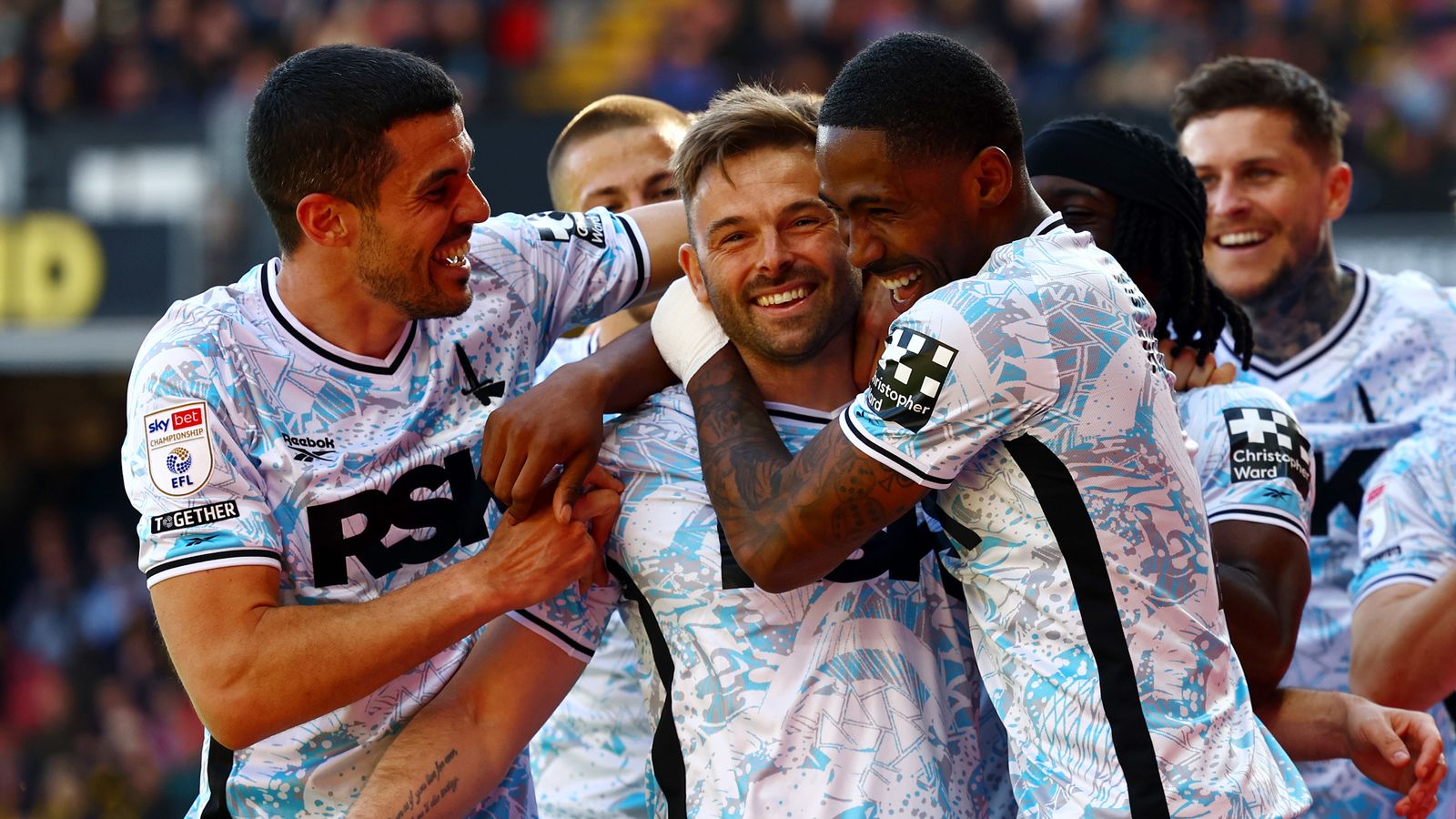
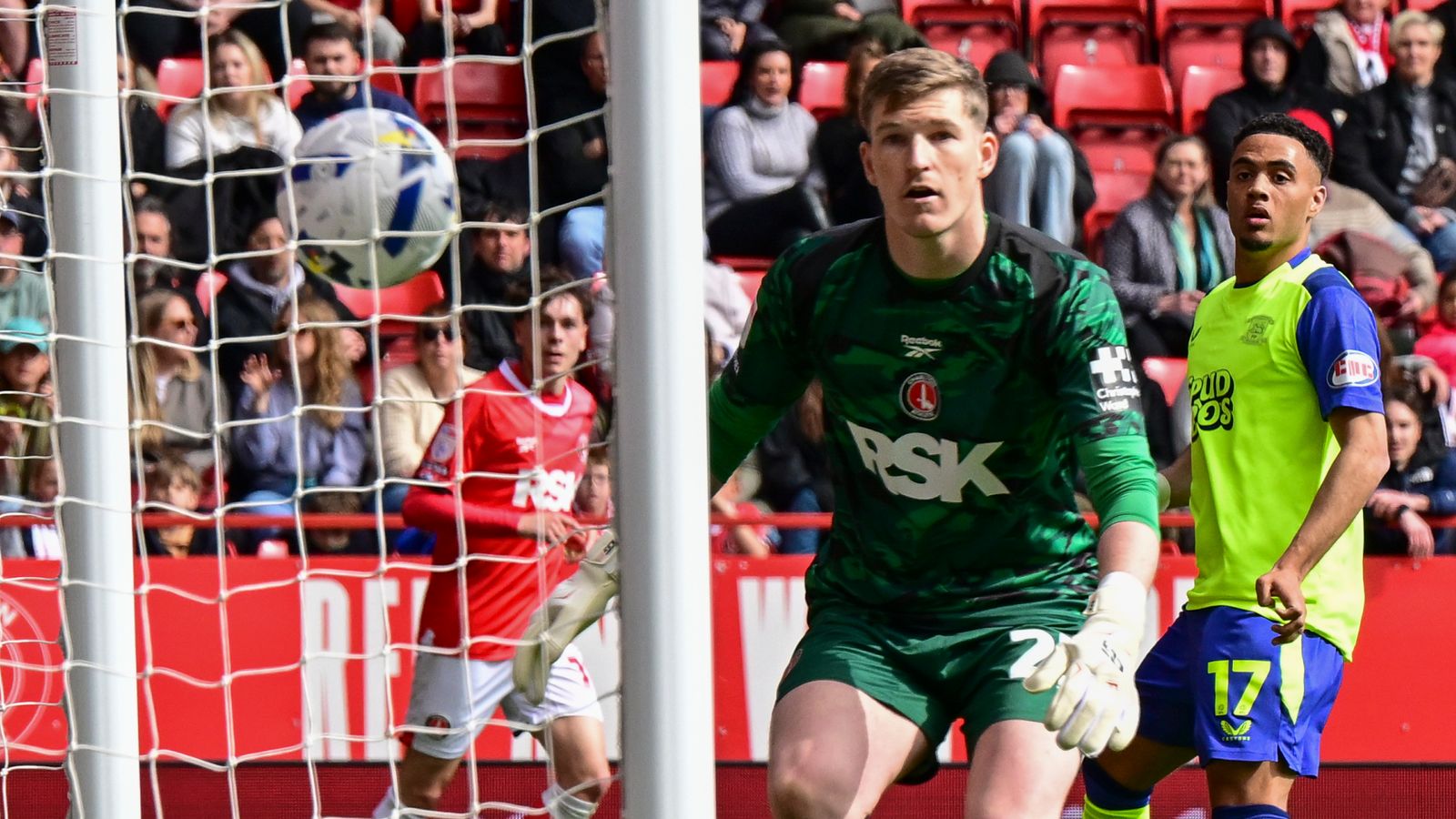
Charlton Athletic defender Conor Coady was rushed to the hospital yesterday evening after being knocked unconscious during the final stage of his side's 1-1 draw against Watford. The veteran center-back took a powerful, point-blank shot directly to the face in the 88th minute of play, causing an immediate stoppage.
Medical staff entered the pitch rapidly as the match was delayed for several minutes to allow for assessment. Coady remained on the turf before being transported to a nearby facility for further evaluation. The club confirmed the defender was conscious upon arrival at the hospital, providing a baseline of relief for teammates and fans.
Timeline and Recovery Protocol
Charlton officially cleared Coady to return home late last night. He is currently under a mandatory concussion observation period, which is standard procedure for any player who loses consciousness during active competition. This protocol necessitates strict physical and cognitive rest before he can rejoin group training.
The club has not provided a specific date for his return to the starting XI. Given the nature of head trauma, he is ruled out for the immediate future. Even if he recovers ahead of schedule, the medical team will likely err on the side of caution. Expect an update on his availability for mid-April fixtures once he clears his initial neurology follow-ups.
Strategic Impact on Charlton
Coady’s absence leaves a significant void in Charlton’s defensive organization. As a veteran leader, his ability to direct the backline is critical to their current defensive stability. His sudden exit against Watford forced a late-game scramble that ultimately did not alter the score, but it left the team significantly weaker for the final moments of possession.
Head coach selection will be strained for upcoming fixtures should Coady stay on the sidelines. Relying on bench depth in a position defined by chemistry and communication is rarely a clean swap. Charlton will need to re-evaluate their defensive shape during the training sessions leading up to their next kickoff.
Historical Context of Concussion Protocols
Collisions involving high-velocity balls to the head have become a focal point of recent FA policy. The shift toward longer recovery windows for head injuries, as reported by The Mirror, reflects a broader push to prioritize long-term player health over short-term availability. The days of testing a player in the tunnels and returning them to the field in the same match are effectively over.
Teams that attempt to rush players back from concussions often face tactical regression. When a leader goes down, the structure often falters, leading to unforced errors in defensive positioning. Charlton’s current draw against Watford keeps them in a delicate position in the standings. They cannot afford a prolonged defensive slump while their primary organizer undergoes brain health monitoring.
The Critical Flaw: Communication Gaps
The match delay itself highlighted a recurring issue in modern refereeing: the speed at which medical intervention is authorized. While the staff acted quickly, the confusion surrounding the stoppage caused visible frustration among players on both sides. Improving the response time during head-impact events is vital to preserving athlete safety.
Charlton’s medical unit has been diligent, but the reliance on a single veteran defender like Coady reveals a lack of contingency in their roster construction. If the club wants to challenge higher in the table, they must ensure their defensive depth is not solely dependent on one player’s durability. Heading into the final stretch of the season, these marginal gaps in depth often decide the difference between mid-table safety and a push for promotion.