The mathematical absurdity of 31 shots
Vicarage Road witnessed a statistical anomaly on Easter Monday that should be studied in coaching clinics for years to come. Watford finished the afternoon with 31 shots, 17 corners, and 63% of the ball, yet they walked away with a solitary point in a 1-1 draw against Charlton Athletic. It is the kind of result that drives data analysts to drink, but the underlying numbers tell a far more nuanced story than the surface-level dominance suggests.
The headline figure is staggering: Watford generated 2.11 xG from their 31 attempts, which averages out to a measly 0.068 xG per shot. This is the definition of statistical inflation. While Charlton’s Will Mannion was undoubtedly heroic with 9 saves, the quality of the opportunities he faced was remarkably low. Watford were effectively throwing pebbles at a brick wall rather than swinging a sledgehammer.
Perhaps the most damning statistic from the encounter is that Watford, despite their territorial monopoly, were credited with 0 Big Chances by Opta. To fire over thirty shots without creating a single high-probability opportunity is a staggering failure of final-third execution. It points to a team that has confused activity with productivity, relying on Nestory Irankunda’s individual brilliance to bail out a lack of cohesive structural breaking-down of a low block.
The Will Mannion phenomenon
While Watford’s shot selection was questionable, we cannot ignore the performance of Will Mannion. The Charlton goalkeeper finished with a post-shot expected goals (PSxG) value that suggested he prevented nearly two certain goals. His 9 saves were not just about volume; they were about timing and positioning. Charlton sat in a deep 5-4-1 for long stretches, funneling Watford into wide areas and inviting crosses that Mannion dominated with ease.
Charlton’s survival instincts were on full display, particularly in the air. The Addicks won 58% of their defensive headers, a crucial metric when you consider Watford swung in 24 crosses throughout the match. By forcing Watford into speculative efforts from the edge of the box — the Hornets hit 14 shots from outside the penalty area — Charlton minimized the damage of their limited possession. As Sky Sports noted, the visitors remained a constant threat on the counter despite the lopsided statistics.
The frustration for Ed Still’s side was compounded by the woodwork. Watford hit the frame of the goal twice, through Imrân Louza in the 23rd minute and Irankunda in the 66th. When a team hits the post twice and sees a goal ruled out for offside — as Mamadou Doumbia did in the 39th minute — the narrative usually shifts to 'bad luck.' However, the data suggests Watford’s failure to penetrate the 'Zone 14' central area was the real culprit.
Efficiency versus volume
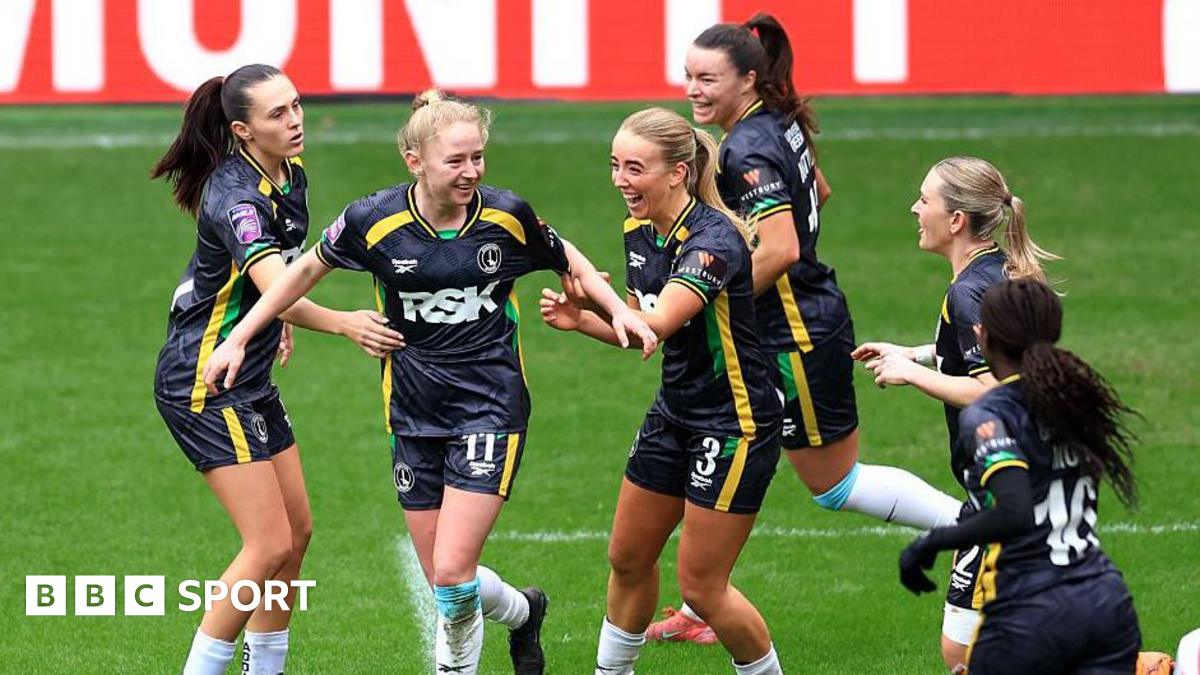
Compare Watford’s scattergun approach to Charlton’s clinical efficiency. The visitors scored with their very first 'Big Chance' of the game. Matty Godden, introduced in the 61st minute, scored with his first touch just 60 seconds later. It was a classic route-one maneuver: a Harry Clarke long throw, a flick-on, and a clinical volley. Charlton’s xG for that single sequence was 0.38 — higher than almost any individual Watford shot on the day.
This contrast is the essence of the Championship in 2026. Watford are a side built on technical superiority and high-volume possession, but they lack the clinical edge to punish teams that are comfortable defending in a deep block. Their 17 corners resulted in just 3 shots on target. For a team with the height of Porteous and Pollock in the box, that is a dismal return on set-piece investment. It suggests a lack of variety in their deliveries from Louza and Chakvetadze.
The equalizer, when it finally arrived in the 74th minute, was a moment of pure technical class that bypassed the statistics. Louza’s outside-of-the-boot pass was a reminder of why he remains one of the most gifted creators in the division, and Irankunda’s low finish was his 10th of the season. But the fact that it took a moment of individual magic to break through, rather than a sustained period of high-quality chances, should be a major concern for Watford’s play-off ambitions.
The cost of tactical rigidity
Watford’s persistence with the 4-4-2 shape against Charlton’s 3-4-2-1 created a numerical disadvantage in the middle of the pitch. Mendy and Louza were often bypassed or forced to play sideways because Charlton’s midfield duo of Docherty and Carey stayed incredibly disciplined. This forced Watford’s wingers, Baah and Ince (after their introductions), into repetitive 1v1 situations that Charlton’s wing-backs, Ramsay and Chambers, handled with physical maturity.
The critical observation here is Watford’s lack of a 'Plan B' when the shots aren't falling. They continued to take speculative long-range efforts long after it became clear that Mannion was dialed in. By the 85th minute, the crowd of 19,961 was audibly restless, sensing that the volume of shots was not translating into genuine goal threat. It felt like a team playing for the highlights reel rather than the three points.
For Charlton, this result is a massive boost in their fight against the drop. They stayed within their defensive structure, restricted Watford to low-value chances, and took their primary opportunity when it arrived. They moved closer to the 50-point mark, which remains the psychological safety net in this league. Watford, meanwhile, stay 9th, but they are now four points adrift of the final play-off spot with games running out. You can't shoot your way into the Premier League if you aren't hitting the right targets.
Final technical takeaway
If we look at the shot map from this encounter, it is a sea of blue dots outside the box for Watford and a single, high-impact red dot in the center of the six-yard box for Charlton. The 37% possession for the visitors was a choice, not a symptom of being outclassed. They allowed Watford to have the ball in non-threatening areas and gambled on their ability to defend the cross. It was a gamble that paid off, leaving the Hornets to ponder how 31 shots could possibly result in just one goal.
Read Next
- The Championship promotion race is turning into a messy car crash
- Lincoln City's 65-year climb to the Championship is a statistical anomaly
- Conor Coady's frightening injury signals a dark moment for Championship grit
- Conor Coady injury update: Charlton defender released from hospital
- 🏟 EFL Championship 2025-26 — Promotion Race & Play-Off Final Hub