Governance failures in African football
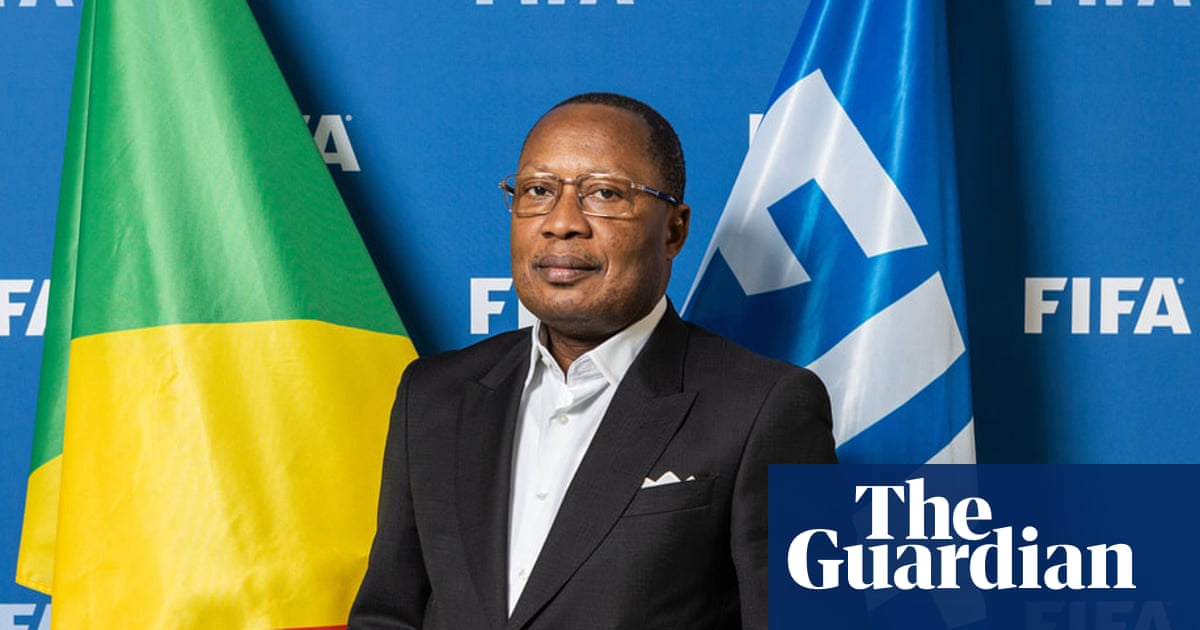
The request for an Interpol arrest warrant against Jean-Guy Blaise Mayolas, the president of the Congo-Brazzaville football federation, marks a grim moment for regional sports administration. Authorities have issued a conviction in absentia following investigations into wide-ranging corruption charges. This is not merely a personnel issue; it represents a systemic failure of oversight.
When a national head of football is actively avoiding law enforcement alongside their immediate family, the implications for the domestic game are terminal. Fecofoot now operates in a vacuum of leadership. During the 2024-2025 calendar, the federation struggled with declining match revenues and widespread administrative instability. This crisis is the final stage of that decay.
The statistical reality of the crisis
The instability within Fecofoot has direct consequences on the pitch. Over the last three competitive cycles, the national side has seen its FIFA world ranking oscillate wildly, dropping from 98th to outside the top 120. In the 2026 qualification window, the team yielded a goal return of just 0.6 goals per match, identifying a lack of investment in youth development and infrastructure.
Transparency International’s 2025 sports governance index ranked the federation in the bottom 5% of sub-Saharan entities. The financial mismanagement alleged by authorities includes the disappearance of nearly 40% of grant allocations intended for grassroots football development. This missing capital explains the state of the pitches and the lack of travel support for domestic clubs.
Wider consequences for the sport
This event invites scrutiny toward FIFA and its regional confederations. As The Guardian reported, the scale of the corruption involved in this case is significant enough to warrant international cooperation. It is a stark reminder that football remains vulnerable to exploitation by local officials who view federation accounts as personal equity.
The flight of Mayolas with his wife and son effectively renders the federation a shell. Moving forward, the appointment of an interim committee by FIFA is highly probable to prevent a complete collapse of league operations. Without a structural reset, the domestic game faces an indefinite period of stagnation. The sport needs more than just a change in leadership; it requires an audited, transparent path back to basic operation.