A logistical and human nightmare
We are exactly three weeks away from the 2026 FIFA World Cup. June 11 is practically staring us in the face. While England fans are already mentally preparing for another agonizing penalty shootout exit, and the USMNT is trying to figure out how to navigate group stage expectations on home soil, there is a genuinely heartbreaking situation unfolding entirely under the radar.
Congo just had to pull the plug on their pre-tournament training camp.
As Mirror Football reported today, the national team issued a sobering statement confirming the cancellation amid serious Ebola fears. Think about that for a second. This isn’t a pulled hamstring to a star striker. This isn't a minor administrative visa delay.
This is a terrifying public health crisis detonating right in the middle of the most important month in the nation's sporting history.
They are supposed to be making a historic appearance at this tournament. The expanded World Cup format was supposedly built for exactly this kind of story. We get 48 teams this time around across the USA, Canada, and Mexico. That means fresh faces, wild matchups, and nations that have spent decades watching from the sidelines finally getting an invite to the biggest sporting party on earth.
Congo earned their spot. They survived the grueling African qualifying gauntlet. That alone is a massive achievement. You don't just stumble your way out of CAF qualifying by accident.
It is an absolute meat grinder of brutal away fixtures, questionable pitch conditions, and intense, suffocating pressure. Now, instead of dialing in their set pieces and getting their legs under them, the squad is effectively grounded.
The tactical death sentence
Let's talk about what a pre-tournament camp actually is in modern football. It is not just running a few laps, taking team photos, and doing some media hits. It is the tactical laboratory where a manager figures out how to survive against opponents who have a squad value ten times higher than yours.
For a heavy underdog, tactical organization is your only real equalizer. You need eleven guys moving on an invisible string. You need to drill your defensive block until players are tracking runners in their sleep. You simply cannot replicate that intensity or cohesion over a group chat.
When you cancel that camp, you are stripping away the one tool an underdog relies on most. Preparation is everything.
Let's break down the actual timeline of a World Cup camp. Week one is usually entirely dedicated to recovery and establishing baseline fitness. Players are coming off exhausting club seasons from all over the globe. The medical staff assesses everyone, treats the nagging knocks, and gets the squad on a unified physical level.
Week two is the tactical install. This is where the manager locks the doors, turns off the cameras, and implements the specific game plans for their group stage opponents. This is when you practice your low block. This is when you figure out how to spring a counter-attack against a team that is going to hold 75 percent possession against you.
Week three is about sharpening the blade. High-intensity, short-sided games. Finalizing the set-piece routines. Making sure everyone knows exactly who they are marking on a defensive corner in the 89th minute when their lungs are burning.
Congo is missing all of this. They are bleeding invaluable preparation time with every hour that passes.
This cancellation is a tactical death sentence. Three weeks out, players should be peaking physically. The fitness staff maps out every single training session months in advance to ensure the squad hits optimal match sharpness right around the second week of June.
When you abruptly stop training, the body starts detraining rapidly. Even a five-day pause in elite-level conditioning throws the entire sports science spreadsheet straight into the garbage. These players are now stuck in limbo. They are isolated when they should be bonding as a unit. They are worrying about a deadly virus back home when they should be worrying about marking opposing wingers.
The deafening silence of the football elite
And this brings me to my biggest issue with how modern football operates. FIFA absolutely loves to talk up the global inclusion of this expanded tournament. Gianni Infantino will undoubtedly stand behind a podium next month and brag about how the 2026 World Cup is bringing the world together in harmony.
But where is the crisis management? Where is the rapid response for a member nation facing a catastrophic disruption?
If France or Brazil had a sudden, catastrophic issue at their primary training base, you better believe the red carpet would be rolled out to relocate them instantly. Private jets would be mobilized within hours. Five-star resorts in neighboring, unaffected countries would be cleared out by dinnertime.
Instead, Congo issues a statement about a literal Ebola threat, and the global football apparatus just kind of shrugs. The suits go back to arguing about broadcast rights and VIP ticket allocations. It is a glaring, embarrassing double standard.
There should be a rapid-response protocol for exactly this kind of nightmare scenario. If a qualified team cannot safely train in their home region due to a verified medical emergency, FIFA or CAF should have a plug-and-play contingency plan ready to execute.
Send them to an elite facility in Europe. Charter a flight to a secure complex in the United States early. Do something. Anything. Don't just let them sit there issuing desperate press releases while the clock aggressively ticks down to kickoff.
This sport constantly claims to be a meritocracy. We love the romance of the underdog story. We love watching a team of relative unknowns go toe-to-toe with global superstars on the biggest stage.
But it is clearly not a level playing field. It never has been. Situations like this just expose the ugly truth. The big nations get insulated from reality, while the smaller nations are forced to deal with literal life-or-death crises while simultaneously trying to prepare for a football match.
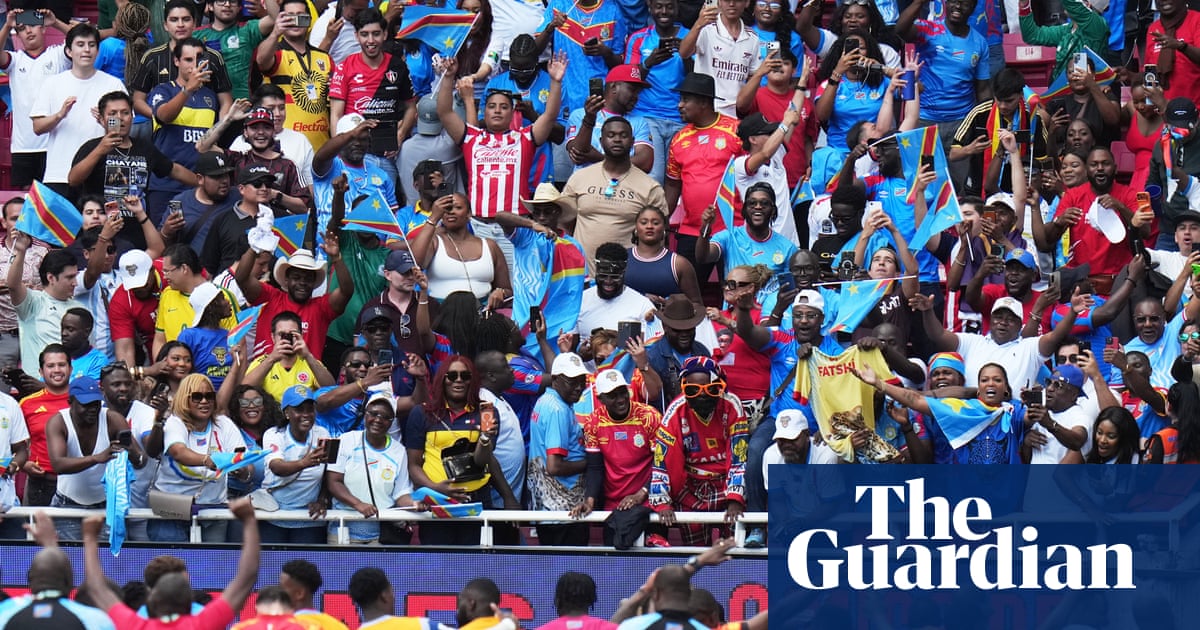
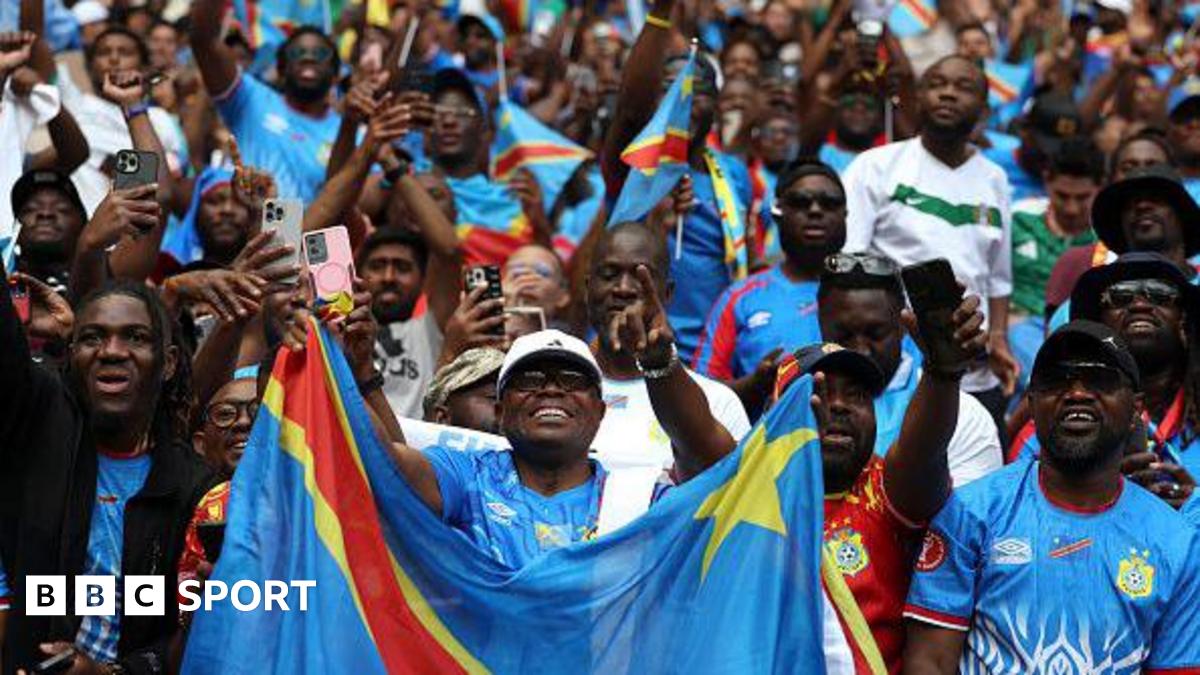
Think about the fans back home. They have been waiting for this exact moment. They have been saving their money, buying fake kits in the markets, and arguing in local bars about the starting XI. The anticipation leading up to a World Cup debut is a drug. It electrifies an entire country.
Now, every morning they wake up checking the news, not for exciting injury updates or leaked tactical formations, but to see if their team is even going to be allowed to travel safely.
And what about the European media cycle? If an England player tweaks his groin reaching for the television remote, we get wall-to-wall, 24/7 coverage. We get deep-dive tactical graphics on Sky Sports about how playing a right-footed left-back will fundamentally alter the space-time continuum of Gareth Southgate's game plan.
Meanwhile, a fellow competitor at the exact same tournament is dealing with an Ebola outbreak, and it barely cracks the sidebar on most major news outlets. The lack of perspective is staggering.
I honestly don't know how the Congolese coaching staff manages this nightmare. How do you keep morale up over the phone? What do you tell a 24-year-old center back who thinks his dream is slipping away because of something completely out of his control?
There is no playbook for this. Managers take elite UEFA Pro coaching courses to learn about the high press, expected goals, and overlapping fullbacks. They do not teach a module on navigating a viral epidemic three weeks before your World Cup debut.
Hopefully, the federation can figure out an alternative location incredibly fast. They need a sterile, safe environment to train, and they need it yesterday. If the governing bodies had any sense of shame, they would be funding a secure relocation camp right now.
But let's be realistic. FIFA isn't going to step in unless there's a highly publicized photo op involved.
So, we are left hoping that the Congolese squad can somehow find a way to stay fit, stay safe, and stay focused. When they eventually walk out onto the pitch in June, regardless of the final scoreline, it will be a monumental achievement. Just getting to the starting line at this point is a massive victory in itself.
But it shouldn't be this absurdly hard. And they certainly shouldn't have to face it completely alone.