The magic number that broke the internet
11 first-team withdrawals. That is the specific figure that has sent the footballing world into a complete and utter meltdown this week.
Eleven Arsenal players have suddenly, conveniently, and controversially pulled out of international duty. According to reports from the Mirror, these key players have either abandoned their national team training camps early or simply refused to board the plane in the first place.
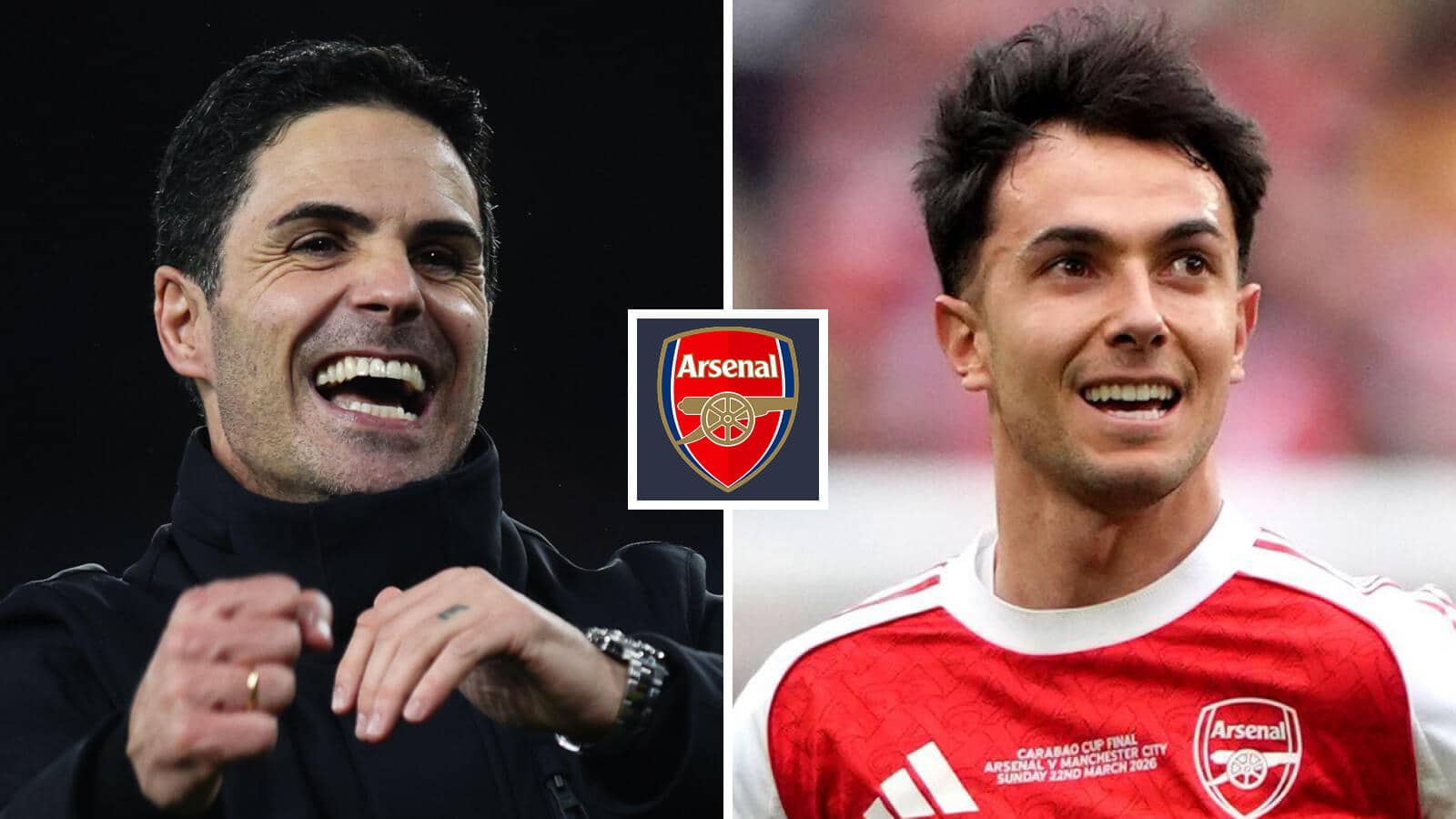
Rival fans are screaming from the rooftops. Social media has completely devolved into a toxic wasteland of conspiracy theories. People are openly questioning the morals of the players, demanding formal investigations, and accusing Mikel Arteta of orchestrating a massive, cynical sick note.
And honestly? They are probably right to be deeply suspicious. Having this many minor knocks pop up on the exact same weekend completely defies basic statistical probability.
But you absolutely cannot blame Arsenal. Not when you look at the unforgiving, brutal reality of the modern football calendar.
Today is March 29, 2026. In exactly nine days, on April 7, the Champions League quarter-finals kick off. The Premier League run-in is already a grueling bloodbath of dropped points and frayed nerves.
The pressure on these players is suffocating, and the margin for error is effectively zero. A single slip-up right now ruins an entire calendar year of obsessive work.
The physical toll of Arteta's system
FIFA’s blind insistence on shoehorning these international breaks into late March is a catastrophic structural failure. It forces club managers into an impossible, infuriating corner.
You either run your star players into the ground to satisfy the executives in Zurich, or you play the game. Arteta has clearly chosen to play the game, and he is executing it with ruthless efficiency.
Let's examine the grim reality of Arsenal's physical situation over the past few years. Historically, the Gunners have hit a brutal physical wall in April. We have seen it happen time and time again. The pressing numbers drop off a cliff. The defensive line inevitably drops five or ten yards deeper to compensate for heavy legs.
When the fatigue sets in, the entire tactical system instantly suffers. Arteta's structure is incredibly demanding. It relies heavily on suffocating the opponent high up the pitch, winning the ball back within seconds of losing it.
If your midfield engine room is carrying a knock from a Tuesday night friendly in some freezing, far-flung stadium, that press immediately breaks down.
The tactical dominoes fall quickly. The center-backs are suddenly exposed to runners. The full-backs cannot recover in time to defend the wide areas. The entire well-oiled machine grinds to a miserable halt.
Look at how Bukayo Saka has been utilized over the past three years. The winger has played an obscene, dangerous amount of minutes. He is targeted, kicked, and dragged down in every single domestic match.
Expecting him to fly across the continent to play in a meaningless friendly is bordering on physical negligence. By keeping him at home, Arsenal are preserving the raw explosiveness that allows him to beat his man on the outside and cut inside to unleash a shot.
Then there is the midfield pivot. Declan Rice covers more ground than almost anyone else in the English top flight. His ability to anticipate passes, intercept, and immediately drive the ball forward is the absolute cornerstone of Arsenal's attacking transitions.
If Rice is heavily fatigued, the vital space between the midfield and the defensive line grows exponentially. That exact space is where elite Champions League opposition will ruthlessly punish you.
The hypocrisy of rival outrage
The loud outcry from rival fanbases is entirely predictable, but it is also laughably hypocritical.
They point angrily to the sacred integrity of the sport. They question the dedication of these eleven players to their respective flags. The Mirror specifically noted that fans are attacking the players' morals.
But let's be absolutely clear here. If Pep Guardiola or Jurgen Klopp pulled this exact same maneuver during a title race, those same fans would be calling it elite, ruthless squad management.
The hypocrisy is entirely exhausting to listen to. Club football pays the astronomical weekly wages. Club football holds the true prestige and the historical weight that players care about.
International football, outside of a World Cup or a Euros, has sadly become a taxing, dangerous inconvenience that derails domestic campaigns.
This mass withdrawal by Arsenal is the ultimate defensive action. It is a brilliant preemptive strike against the late-season fatigue that ruins title charges.
Arsenal are effectively building an impenetrable fortress around London Colney for two solid weeks.
They will rest, recover, and painstakingly drill their tactical setups while their title rivals are flying across multiple time zones, sleeping in strange hotels, and risking their hamstrings.
Think about the specific spacing on the pitch. When Arsenal are fully rested, their attacking quintet operates in incredibly tight, devastating triangles.
The half-spaces are relentlessly attacked. The overloads on the wings are perfectly timed to isolate helpless full-backs.
But when they are physically drained, those passes are a devastating half-second slow. The overlapping runs are a yard short. The cutbacks find the opposition instead of a trailing teammate.
A failing governance structure
The upcoming Champions League quarter-final on April 7 is the defining moment of their entire season. It is the tactical crucible they have been building towards since August.
Arsenal simply cannot afford to enter that massive fixture running on fumes. They need absolute, terrifying peak intensity from the opening whistle.
By withdrawing eleven players from international duty, Arteta is virtually guaranteeing that his squad will be completely fresh when the stadium floodlights come on.
It is a highly calculated gamble. He is entirely willing to take the massive PR hit. He is willing to weather the furious storm of media criticism and rival anger in exchange for absolute physical readiness.
In a game ultimately decided by inches and milliseconds, having two full weeks of uninterrupted rest is an unparalleled, almost unfair advantage.
But as tactical analysts, we must also be deeply critical of the overarching system that actively encourages this farce to happen.
It makes a complete mockery of the international window. When nearly a dozen players from one single club simultaneously report minor, untraceable issues, the entire concept of a national team break collapses into a bad joke.
FIFA needs to rethink this completely. You simply cannot ask elite athletes to play 60 to 70 high-intensity matches a year and expect them to care deeply about a March friendly.
The governing bodies have created a domestic schedule so punishing, so thoroughly divorced from basic human physiology, that faking an injury has become a highly necessary tactical evolution.
It is a damning indictment of football's governance. Arsenal are simply exploiting a broken system. They are manipulating the grey areas better than anyone else right now.
They are not the first club to do this, and they certainly will not be the last. But the sheer, brazen scale of it is what makes it so utterly fascinating to watch unfold in real-time.
It is a massive middle finger to the bloated calendar and the executives who continually add more fixtures to an already heavily packed season.
Looking ahead to the return of Premier League action, expect a truly ferocious response from this Arsenal side.
They have drawn the collective ire of the entire league. The narrative is firmly set in stone for the run-in. They are the undeniable villains of this international break.
But history repeatedly shows us that villains win trophies. The nice guys, the ones who follow every unwritten rule and play every meaningless friendly, finish second with torn hamstrings.
When that whistle blows next weekend, Arsenal will be the freshest, most dangerous team in the division.
Their counter-pressing will be razor-sharp. Their attacking transitions will be lethal. Their defensive line will be entirely resolute and perfectly spaced.
My prediction? Arsenal will absolutely dismantle their next domestic opponent.
They will roll into that April 7 Champions League clash with a terrifying, unstoppable momentum.
The extra rest will pay massive dividends on the pitch. The players will have their legs firmly under them. The tactical instructions will be perfectly fresh in their minds.
Rival fans will complain bitterly. Pundits will debate the ethics on late-night television shows.
But Mikel Arteta will simply point to the scoreboard and smile. The dark arts are alive and well at the Emirates.
Read Next
- Arsenal's medical room is getting crowded at the worst possible time
- Arsenal's medical room is currently more crowded than the M25
- Arsenal sweating on Piero Hincapie after Ecuador withdrawal
- Arsenal are cruising to the title while Spurs are staring at the Championship
- ⭐ UCL 2026 — Champions League Quarter-Finals Hub