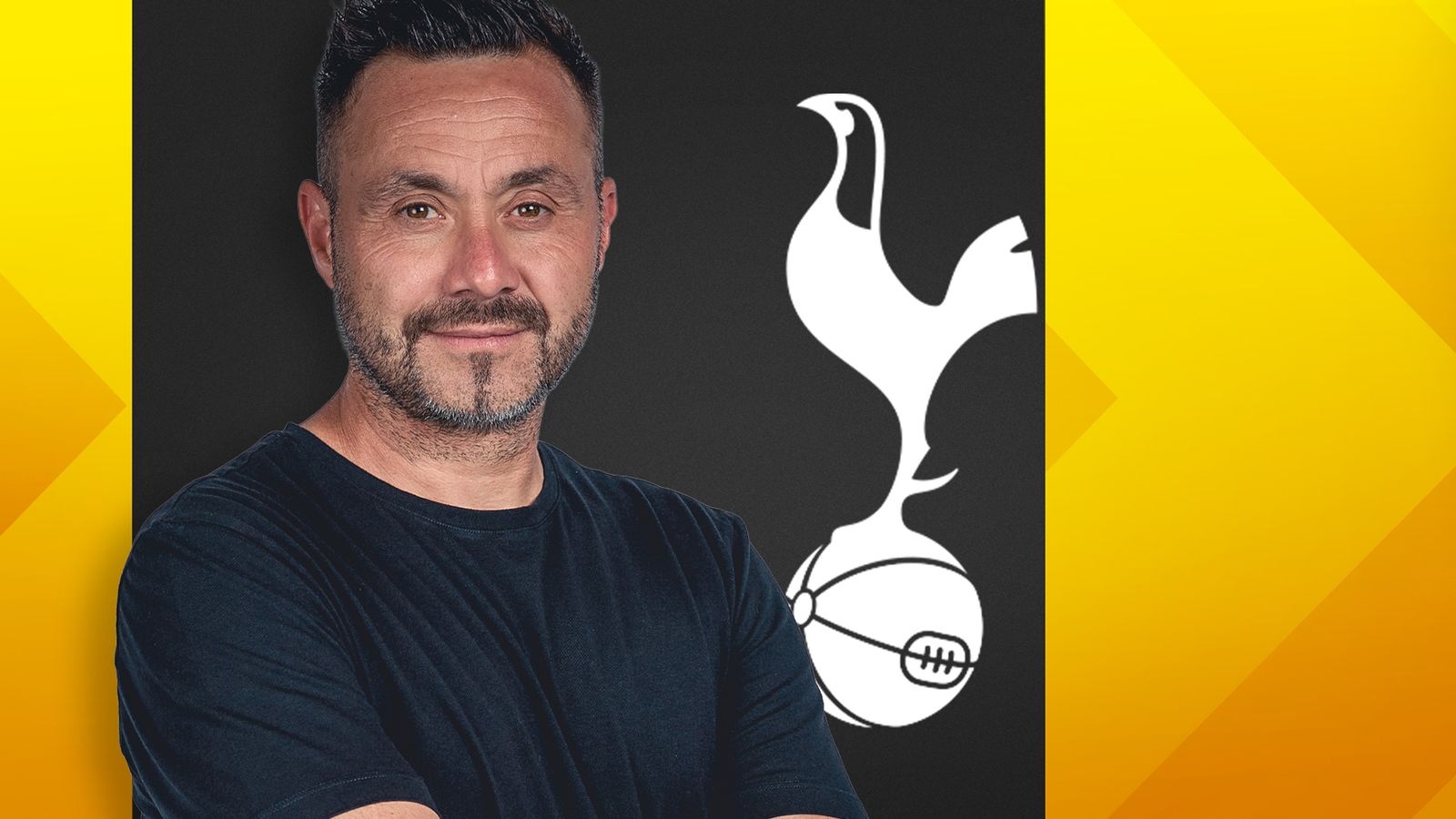
The Source and The Setup
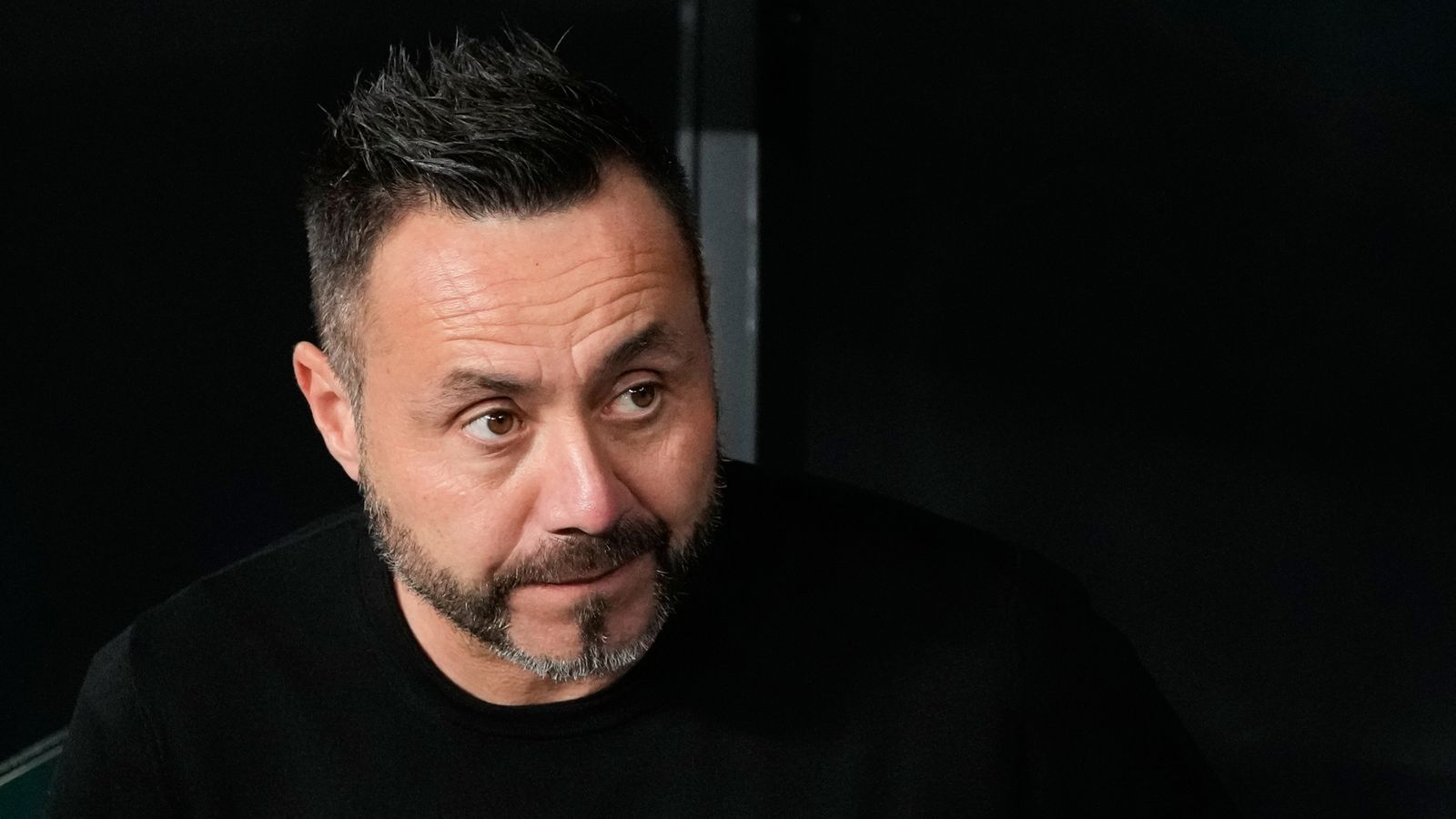
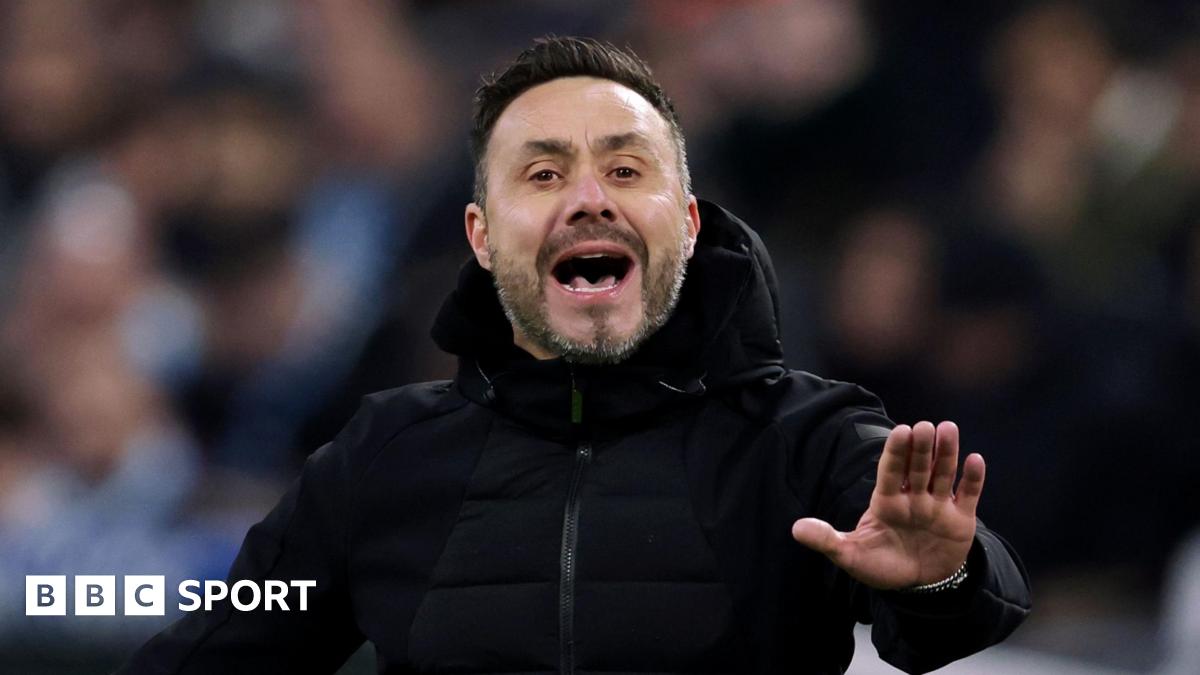
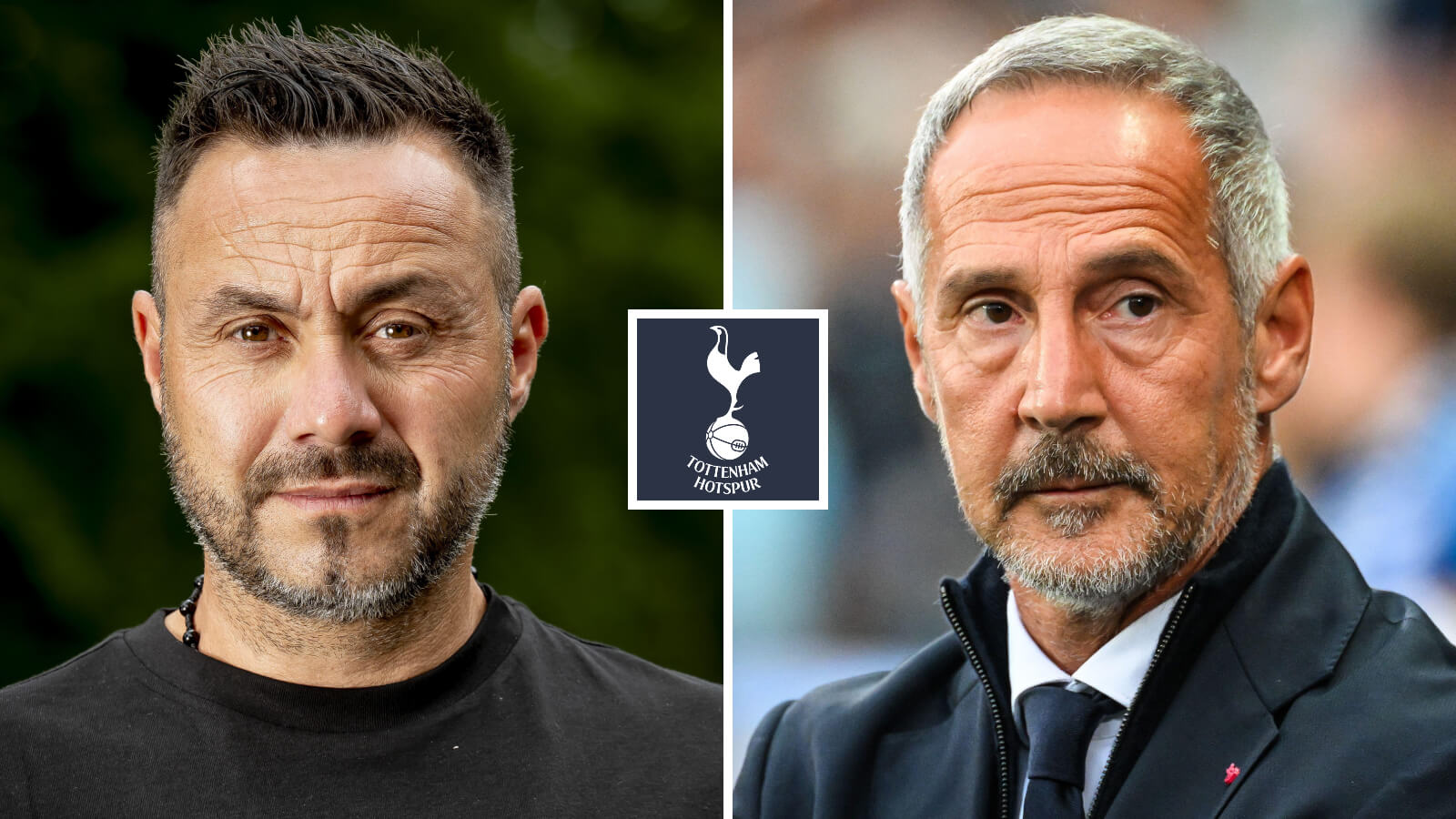
The news dropped quietly in the Sunday morning preamble. While most of the football world was waking up to preview the weekend fixtures, The Guardian reported a massive update on their live feed. Roberto De Zerbi is officially targeting a revival at Tottenham Hotspur.
This comes from a reliable Tier 2 source. When a major broadsheet places a manager directly in the crosshairs of a specific club, wheels are already in motion behind the scenes. Agents are talking. Feasibility studies are being drawn up.
Spurs are getting ready to roll the dice again. The club has spent the last five years bouncing between ideological extremes. They tried the deep-block pragmatism of Jose Mourinho and Antonio Conte. They swung wildly back to pure attacking vibes. Now, they are reportedly circling a manager who demands absolute, militant control over every blade of grass.
Tottenham’s managerial seat is the most radioactive chair in English football. Success here is measured on a sliding scale of temporary relief. Managers get a honeymoon period, a brief window of exciting attacking play, and then the inevitable structural collapse sets in.
The Tactical Fit: De Zerbismo in North London
De Zerbi walking into this specific environment is fascinating. He does not compromise. He does not tweak his system to accommodate aging stars or mismatched physical profiles.
He wants the ball constantly. He wants opponents to press his center-backs aggressively. He wants to manufacture space through deliberate, high-risk passing sequences in his own defensive third. It is a thrilling way to play football, but it requires a squad with elite technical security under extreme pressure.
Spurs have a mixed bag in that department. The recruitment over the last three windows has been entirely scattergun. Giving this current squad to De Zerbi is like handing a track car to someone who only drives automatic. There will be stalls on the grid.
Let’s start with the goalkeeper. Guglielmo Vicario is a phenomenal shot-stopper, but his distribution under severe pressure has always been his weak point. De Zerbi’s system absolutely demands a goalkeeper who can thread needle-like passes between two pressing strikers. If the keeper panics and goes long, the entire tactical structure falls apart. Upgrading the goalkeeper might be De Zerbi’s immediate, non-negotiable demand.
Then we look at the defense. Cristian Romero is aggressive and front-footed. He loves to step out of the defensive line to intercept. De Zerbi, however, requires his center-backs to put their studs on the ball and literally stand still in a 4-2-4 build-up shape. They have to wait for the opposition to commit before releasing the ball. Romero will need to completely rewire his defensive instincts to survive in this system.
Micky van de Ven is another fascinating case study. His recovery pace is phenomenal, which helps cover the massive spaces left behind in transition. But De Zerbi does not just want pace; he wants surgical passing. Van de Ven is comfortable carrying the ball into space, but breaking lines with disguised passes through the center of the pitch is a different skill entirely. He will be forced to adapt his game significantly.
The midfield offers more promise. This system relies entirely on a double pivot that can receive the ball while facing their own goal, surrounded by opposition shirts. Yves Bissouma knows this exact system intimately from their shared time on the south coast. That reunion makes obvious tactical sense. Alongside him, Pape Matar Sarr has the engine and the quick passing release to function well in the De Zerbi pivot.
The real question marks appear in the final third. De Zerbi demands wingers who hold maximum width and full-backs who can invert or overlap with perfect timing. Destiny Udogie fits the physical profile perfectly, but his decision-making when tucking into midfield will be heavily scrutinized. Pedro Porro has the passing range to act as an inverted playmaker, which could be a massive weapon.
But the attacking frontline is a different story. Son Heung-min is entering the twilight of his career. De Zerbi’s wingers do a massive amount of unglamorous tracking back and touchline hugging. Expecting a veteran forward to suddenly adapt to a grueling, touchline-oriented role is a massive gamble. Spurs would almost certainly need to buy two elite, direct wingers to make this work.
The Critical Flaw: Stubbornness and Exposure
This brings us to the biggest red flag in this potential marriage. De Zerbi is wildly, dangerously stubborn.
When his bait-and-press system works, it looks like pure magic. The opposition gets dragged up the pitch, one line-breaking pass takes out five players, and suddenly it is a four-on-three attack. But when teams figure it out, or simply refuse to press and sit in a low block, his teams often run out of ideas.
We saw this repeatedly during his final months at his previous jobs. If Plan A gets nullified by a disciplined mid-block, Plan B is usually just demanding the players execute Plan A faster. There is very little pragmatic adjustment.
Spurs fans are desperate for a trophy. They are tired of being the entertaining losers of English football. De Zerbi guarantees top-tier entertainment, but his defensive transition structure is famously fragile. He leaves his defenders completely isolated.
If you commit seven players forward to break a press and you turn the ball over in midfield, you are completely exposed. Tottenham’s center-backs will be left defending massive half-spaces in pure isolation. In the Premier League, that structural flaw gets punished rapidly. This lack of defensive pragmatism is a massive blind spot that top-tier managers usually exploit with simple counter-attacks.
Around The Grounds: Arsenal Angst and Historic Appointments
While Spurs fans digest this tactical reality and argue about build-up shapes, the rest of the football world is spinning rapidly. The Guardian report also highlighted the current Arsenal angst dominating the capital.
The contrast in North London right now is striking. Arsenal are sweating over a massive Champions League quarter-final second leg scheduled for April 14. They are dealing with the suffocating anxiety of a domestic title run-in and severe European pressure. Every dropped point feels like a disaster.
Mikel Arteta has built a machine that thrives on control, choking opponents out of games with relentless pressing and rigid positional play. The anxiety creeping into the Emirates right now is born from expectation. They are expected to win. They are expected to advance in Europe. Tottenham have zero expectations right now other than providing an entertaining product on a Sunday afternoon.
But the most important news of the day actually comes from Germany. Union Berlin have officially appointed Marie-Louise Eta as their head coach.
It is a genuinely monumental moment for the sport. Union Berlin looked at their managerial vacancy, evaluated the internal coaching talent, and made a merit-based promotion that shatters a massive historical barrier. They evaluated her tactical acumen as an assistant and trusted her with the main job in a fiercely competitive Bundesliga environment.
Spurs, by contrast, are looking to plug another volatile, expensive genius into a fundamentally broken corporate machine and hoping the friction creates a fire. It is two entirely different approaches to running a football club.
Even Guardian reporter Barry Glendenning is making more linear, sensible progress today. As the live feed noted, he is currently running the London Landmarks Half Marathon. Pacing yourself over 13 miles requires exactly the kind of long-term planning and steady execution that Tottenham Hotspur have lacked for a decade.
Probability and Timeline
So, how likely is this appointment? We rate the probability as medium-high.
The timeline is incredibly tight. The domestic season is barrelling toward its conclusion. With the expanded FIFA World Cup kicking off in just 60 days, clubs are desperate to get their managerial business done early. Nobody wants to be negotiating contracts while the entire football market is distracted by a summer tournament.
If Spurs are genuinely targeting De Zerbi, they need to act this week. But contract negotiations with a manager of his specific profile are notoriously difficult. He will demand iron-clad guarantees over the transfer budget. He will demand control over outgoings. He will insist on total authority over the training ground environment and the medical staff.
Daniel Levy is not famous for handing over total control to anyone. The power struggle will start before the ink is even dry on the contract.
We have seen this exact movie before. Antonio Conte blew the whole thing up in a press conference. Jose Mourinho was sacked days before a cup final. De Zerbi is just as combative in front of the microphones as both of those men. If Levy fails to deliver the specific profile of winger or center-back required by the end of July, De Zerbi will not hesitate to voice his frustrations publicly. The boardroom friction is practically guaranteed.
The stylistic fit makes sense for a club obsessed with its own attacking mythology. De Zerbi is available, he has Premier League pedigree, and he plays the kind of football that gets fans paying premium ticket prices. But the financial demands and the required squad overhaul represent a massive hurdle.
If this deal gets done, expect absolute fireworks. Expect some brilliant, sweeping football in August. And fully expect a spectacular, bitter mutual termination within 18 months. That is simply the reality of modern Tottenham Hotspur.
Read Next
- Roberto De Zerbi has seven games to save Tottenham from the drop
- Roberto De Zerbi inherits a chaotic Tottenham training room
- Igor Thiago is single-handedly saving Brentford's season
- A former Chelsea star's radical pivot to monastic life exposes football's void
- 🏆 Europa League Final 2026 — Full Coverage Hub