The Familiar Sight Nobody Wanted
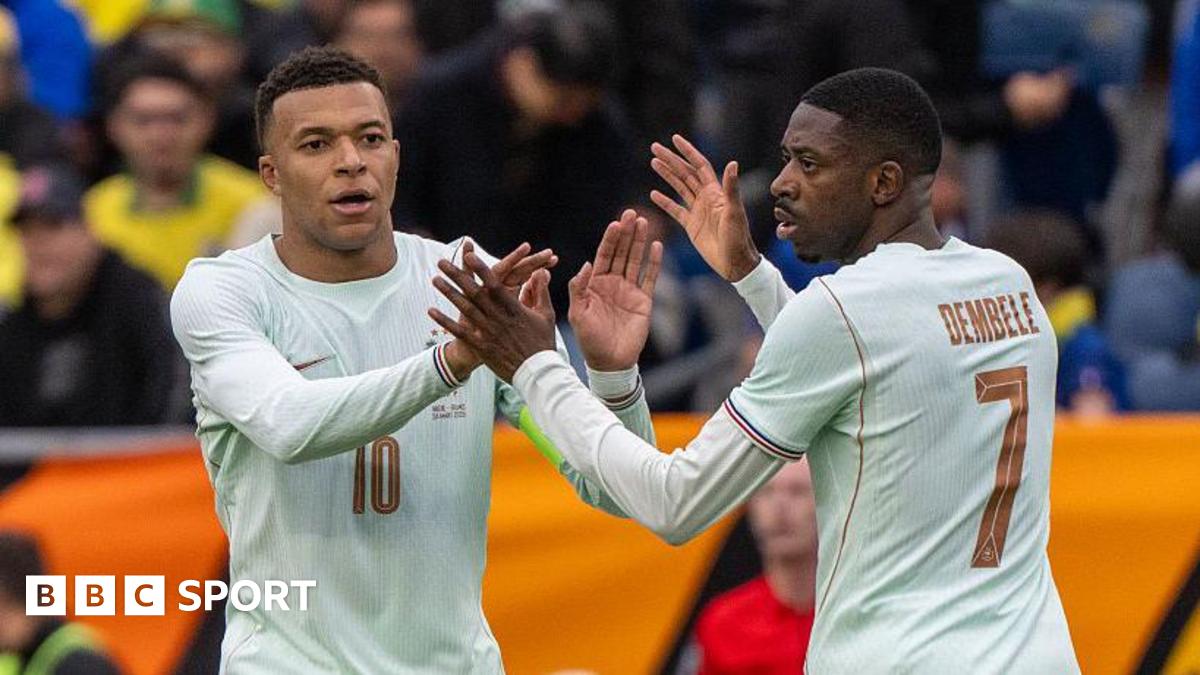
Ousmane Dembele limped out of Paris Saint-Germain’s final league game, casting a massive shadow over the upcoming international summer and the impending transfer window. For a player whose career has been defined by the fragile balance between explosive pace and sudden muscular breakdown, the visual was grim. He pulled up chasing a routine through ball in the second half. There was no contact. Just a sudden deceleration, a familiar grimace, and the immediate, urgent signal to the medical staff on the bench.
According to reports from Sky Sports tracking Arsenal’s transfer movements, this wasn't just a disappointing end to a domestic campaign for PSG. It sent immediate ripples through North London recruitment meetings and the French national team setup.
With the 2026 FIFA World Cup kicking off in exactly 25 days, the timing is an absolute disaster. France relies heavily on Dembele’s ability to isolate fullbacks and break down low blocks with sudden bursts of acceleration. Now, Didier Deschamps faces an agonizing wait for MRI results, while Arsenal executives must rapidly re-evaluate their summer priorities.
The Biomechanics of a Winger’s Nightmare
When a fast-twitch athlete of Dembele's profile breaks down without contact, the primary suspect is nearly always the hamstring complex. Specifically, the biceps femoris. This muscle takes the brunt of the load during the eccentric deceleration phase of sprinting. It acts as the braking system for the human body when the leg swings forward.
Dembele operates at elite velocities. When he shifts gears or decelerates, the force generated through his posterior chain is immense. Even a microscopic asymmetry in load distribution or minor fatigue from a long season causes the tissue to fail.
This is a recurring nightmare for the winger. His time at Barcelona was severely marred by recurrent thigh injuries. He missed massive chunks of multiple seasons due to proximal hamstring tears that ultimately required specialized surgical intervention in Finland. The scar tissue left behind from those previous ruptures inherently alters the elasticity of the muscle, making it permanently more susceptible to re-injury.
This incident is alarming given his recent track record. At PSG, Dembele had seemingly turned a corner. His minutes were heavily managed. His strength program was tailored to his biomechanical needs, focusing on eccentric strengthening. Breaking down now, when his physical load should have been perfectly tapered, suggests a broader failure in management rather than a freak accident.
The Arsenal Transfer Dilemma
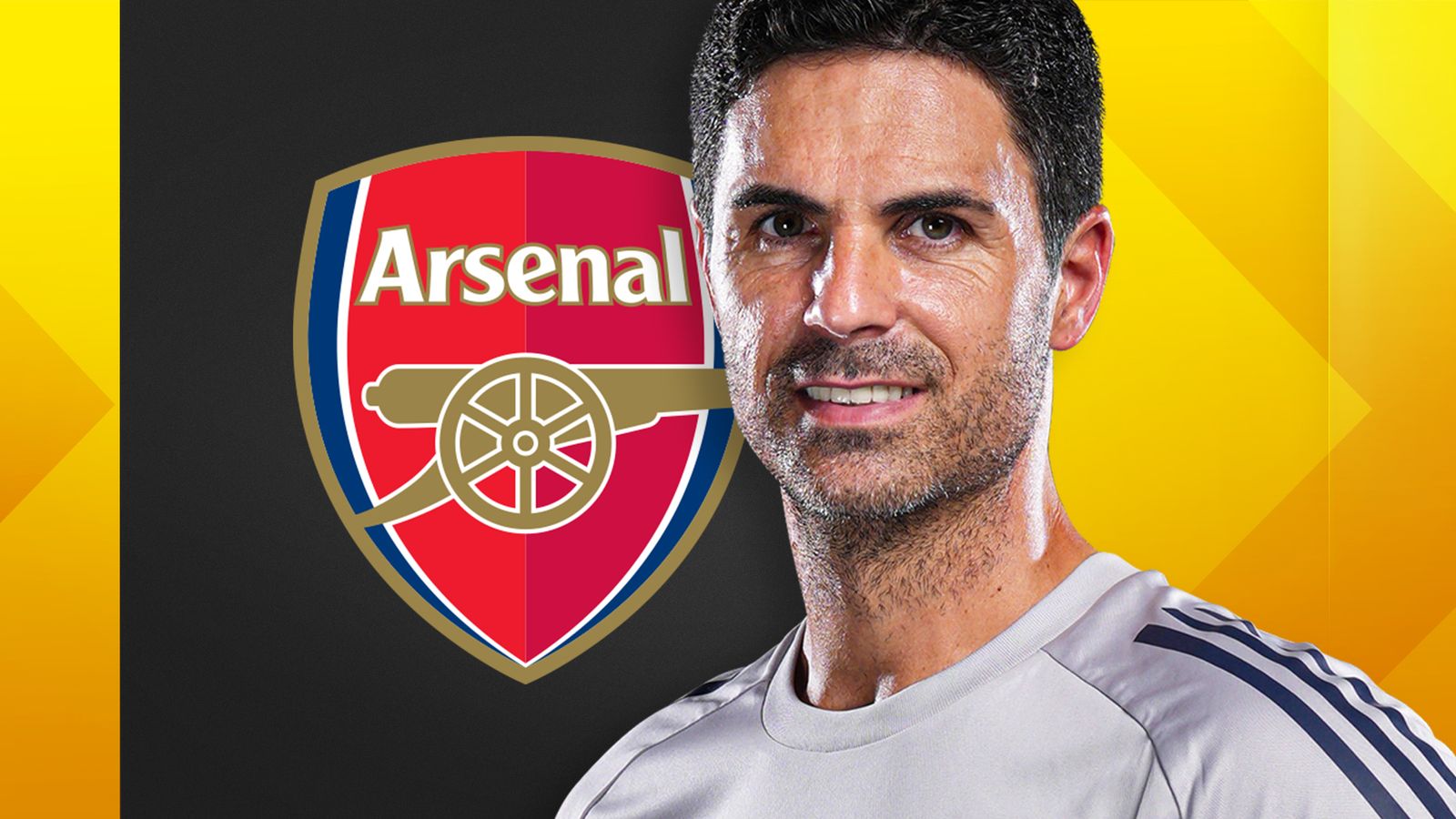
Arsenal have been closely monitoring Dembele for months as they look to add elite attacking depth to challenge across all fronts. Mikel Arteta’s tactical system is notoriously demanding. It requires high-intensity running, relentless off-the-ball pressing, and most importantly, absolute durability.
The medical department at London Colney now faces a highly complex risk assessment. How do you evaluate a player with a chronic injury history who has just suffered a fresh, highly visible setback mere weeks before the transfer window officially opens?
A modern medical is a deeply nuanced evaluation of risk. Arsenal's staff will request access to the impending scans. They will pinpoint the exact location of the tear. They must assess whether this is an isolated Grade 1 strain requiring minor rest, or a Grade 2 structural tear that ruins his pre-season preparations.
If it's a Grade 2 tear, the financial implications are massive. You do not commit a massive fee and upper-echelon wages to a player who will spend his first two months at a new club in the treatment room. Arsenal have been burned before by signing players carrying pre-existing conditions—remember the Kim Källström farce? The modern recruitment strategy at the Emirates is far more risk-averse and heavily reliant on predictive data modeling. A new muscle tear completely breaks that model.
World Cup 2026: A Race Against Physiology
The clock is ticking aggressively toward June 11. The expanded FIFA World Cup in North America is an unforgiving environment. The massive travel distances between venues across three countries, the wildly varying climates, and the condensed group stage schedule leave zero room for passengers carrying knocks.
For a muscle strain, the timeline is biologically rigid. You cannot negotiate with tissue repair. A mild strain needs two to three weeks of progressive rehabilitation. That puts Dembele right on the extreme edge of the opening fixtures. He would miss the vital pre-tournament training camp. He would arrive without match fitness or sharpness, asked to perform at the highest intensity imaginable.
If the tear is more severe, his tournament is over before it even begins. The French medical team will be in constant communication with PSG's staff. They will likely utilize every advanced recovery tool available. Platelet-Rich Plasma (PRP) injections are almost certainly going to be discussed to flood the damaged area with growth factors. Hyperbaric oxygen therapy might be employed to accelerate tissue repair at a cellular level.
But you cannot rush the remodeling phase of muscle healing. If he sprints before the newly formed collagen fibers are properly aligned and strengthened through load, he will simply tear it again. The risk of secondary injury in rushed hamstring rehabs is astronomically high.
Historical Context and Market Impact
We have seen this exact scenario play out before in the transfer market, and it rarely ends well for the buying club. When a player suffers a significant soft tissue injury just before a proposed move, the entire dynamic of the negotiation shifts abruptly.
If Arsenal proceed despite the red flags, they hold all the cards. They might insist on appearance-based incentives over a guaranteed base salary. They could demand a lower upfront fee to offset the medical risk. PSG, aware of his extensive history, might be forced to accept compromised terms to offload his wages.
But the real question is whether Arsenal should just walk away entirely. The Premier League is arguably the most physically demanding competition in world football. The transition from Ligue 1 to the Premier League is a massive physical shock to the system for a fully fit player. For a player actively rehabilitating a hamstring, it is a recipe for an immediate breakdown.
Arteta demands his wingers to be available. Look at Bukayo Saka. His durability and ability to absorb contact while playing 50 matches a season is as valuable as his attacking output. Arsenal cannot afford a luxury player who plays 15 games a season and spends the rest of the year doing pool rehab. They need robust athletes. Dembele, for all his undeniable technical brilliance, has rarely proven to be physically robust.
The Verdict: Caution Over Ambition
The next 48 hours are absolutely pivotal. The initial MRI will reveal the full extent of the structural damage. The grading of the strain will determine the narrative for the rest of the summer window.
If it is a minor tweak, a warning sign from a fatigued muscle rather than a tear, he might still miraculously make the plane for the World Cup. Arsenal might still view him as a calculated, high-upside gamble.
But if there is clear structural damage, the implications are severe and far-reaching. France loses a key weapon for their North American campaign. PSG loses all bargaining power in the market. Arsenal, if their recent recruitment history is any indicator, will likely pivot and look elsewhere.
The romance of his technical ability often blinds executives to the grim reality of his medical file. He is a Ferrari with a blown transmission. Football is a game of physical attrition where availability is paramount. Right now, Dembele is unavailable, and the timing could not be worse. It is a harsh reminder that the human body has limits, even when millions of euros are involved. Arsenal’s recruitment team will watch closely, but their medical department will undoubtedly advise extreme caution.
Read Next
- Arsenal are coasting while Liverpool's season burns to the ground
- Top 10: Most Explosive Premier League Moments
- Arsenal fans sweat MNF while Liverpool braces for defeat number twelve
- West Ham survival hopes wrecked by brutal injury in Newcastle loss
- 🏆 World Cup 2026 — Full Coverage Hub
- 🇫🇷 France World Cup 2026 — Les Bleus Hub
- ⚽ Ligue 1 2025-26 — PSG, Monaco & the Title Race Hub
- ⭐ UCL 2026 — Champions League Quarter-Finals Hub