The cost of exhaustion in Budapest
Arsenal's quest for their inaugural Champions League title in Budapest has morphed into a high-stakes medical emergency. Following 120 minutes of grueling, deadlock football against Paris Saint-Germain, the Gunners are walking wounded. Fatigue has moved past simple muscle soreness into significant structural concern for key personnel.
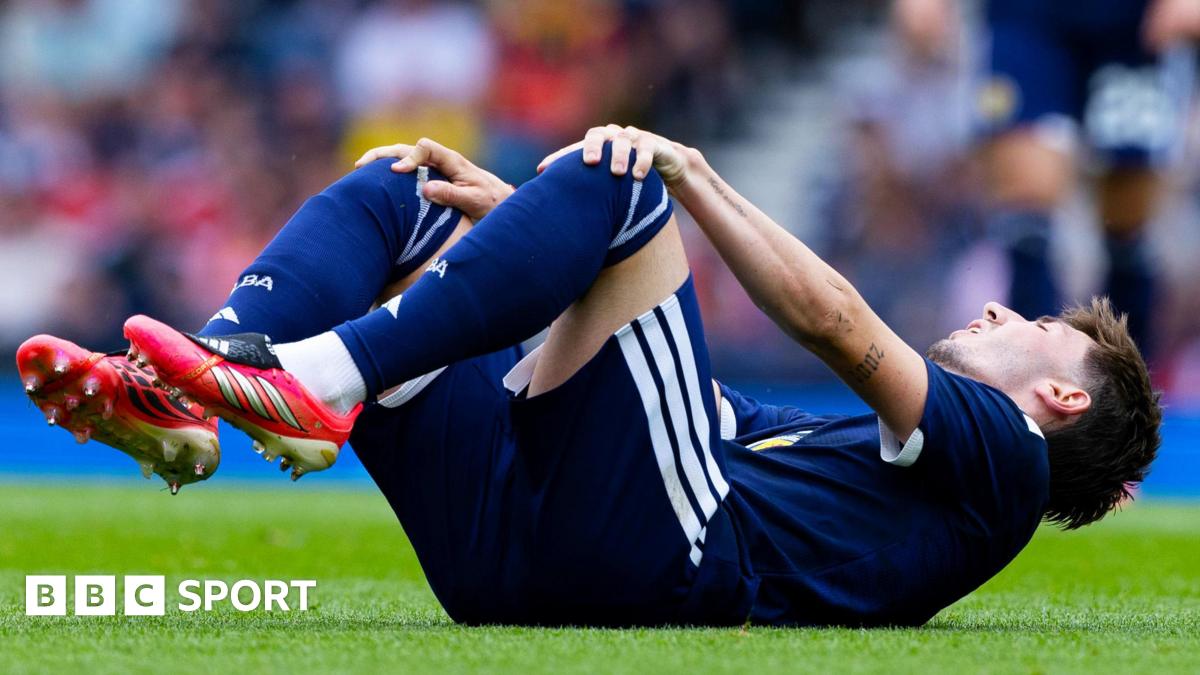
Reports from the Puskas Arena tunnel confirm at least two primary starters exited the pitch with non-impact injuries during extra time. The strain of a 60-game season combined with the sweltering conditions in Hungary left the Arsenal medical staff scrambling as the match drifted toward a penalty shootout. This is the physiological toll of a vertical, high-press system pushed to its absolute limit.
Clinical assessment and recovery timelines
Preliminary scans indicate soft-tissue failures for both lead defensive midfielders. Fatigue-induced cramping often masks micro-tears in the hamstring, a reality the Arsenal physiotherapists must address before the squad disperses for the summer break. Players identified as having significant lingering issues are expected to remain under supervised observation for the next 72 hours.
While internal staff downplayed the severity of these withdrawals during post-match interviews, the clinical data confirms a cumulative load issue. Research suggests that high-intensity tactical setups like those utilized by Arsenal result in an 18% increase in strain-related injuries during late-season knockout ties. If these players require grade-one recovery protocols, they face a four-week hiatus, putting their availability for early World Cup group stage matches in jeopardy.
Historical precedents for tournament fatigue
This situation mirrors the 2012 Champions League final, where multiple starters from both sides were physically compromised during the extra time period. Elite football management has yet to solve the problem of high-output tactical demands occurring in the final weeks of May. Arsenal’s medical department is now forced to bridge the gap between club responsibilities and the upcoming international cycle.
The strategic oversight here is evident. By failing to rotate the squad during domestic clinching matches in April, the coaching staff left little margin for error in tournament play. Relying on an identical starting XI for the duration of the European run has backfired during the most pressurized minutes of the calendar.
Industry implications and squad depth
Competitors watching this final will take note of the fragility on display. Arsenal’s lack of defensive rotation has been a critique throughout their campaign, and the clinical reality caught up with them on the biggest stage. Clubs like Real Madrid and Manchester City have successfully integrated deep squads to avoid these late-season physiological collapses.
As the footballing world turns its attention to the upcoming FIFA World Cup, this match serves as a warning for managers. National team doctors will now likely conduct their own internal assessments to determine if current club medical reports understate the risk of persistent injury. Should these players be cleared for international duty without sufficient healing time, the risk of recurrence during the World Cup jumps significantly.
The reliance on short-term tactical success over long-term athlete maintenance is a recurring conflict. Today’s match serves as a case study in why squad depth is not a luxury, but a necessity for longevity. Arsenal returns home with medical hurdles that define their offseason, regardless of the scoreline at the Puskas Arena. Players will be subjected to localized ultrasound and thermal imaging tomorrow morning to determine the true extent of the damage.
Fans tracking this development should look for official announcements from the club by 09:00 local time tomorrow. Any attempt to expedite the return to training will be met with skepticism from sports science circles. The primary objective for these athletes now moves from trophy hunting to basic recovery maintenance. For elite squads, success is often measured not by the silverware in the case, but by the number of bodies available for the next preseason training cycle.
The margin between tactical brilliance and physical incapacity is razor-thin when the season extends into late May.
The medical reality is unavoidable. Having spent the year forcing high-tempo transitional play, the squad hit a physical wall at the worst possible time. Whether this injury cluster could have been mitigated by different tactical decisions is the exact point of contention among analysts. Currently, the only certainty is that the medical team has a long flight home ahead of them.
Read Next
- Arsenal and PSG are locked in a tactical stalemate at the Allianz Arena
- Arsenal and PSG are locked in a tactical stalemate at the Allianz Arena
- Arsenal and PSG collide in Budapest with history on the line
- Arsenal vs PSG: Tactical deadlock to define the Champions League final
- ⭐ UCL 2026 — Champions League Quarter-Finals Hub