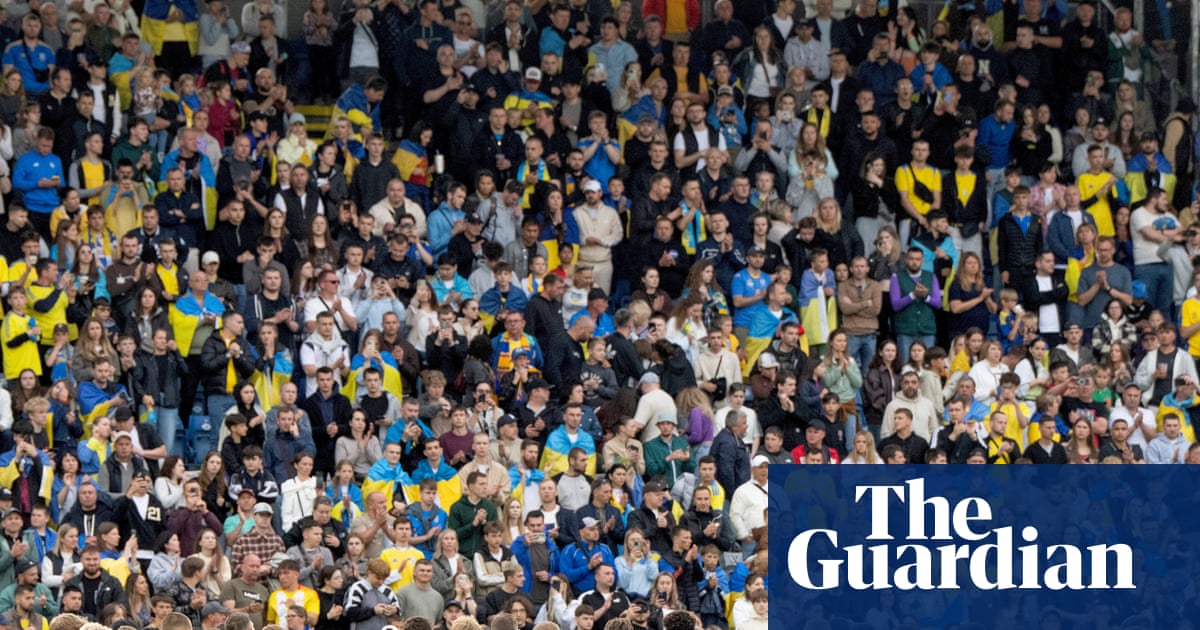
The shadow over Copenhagen
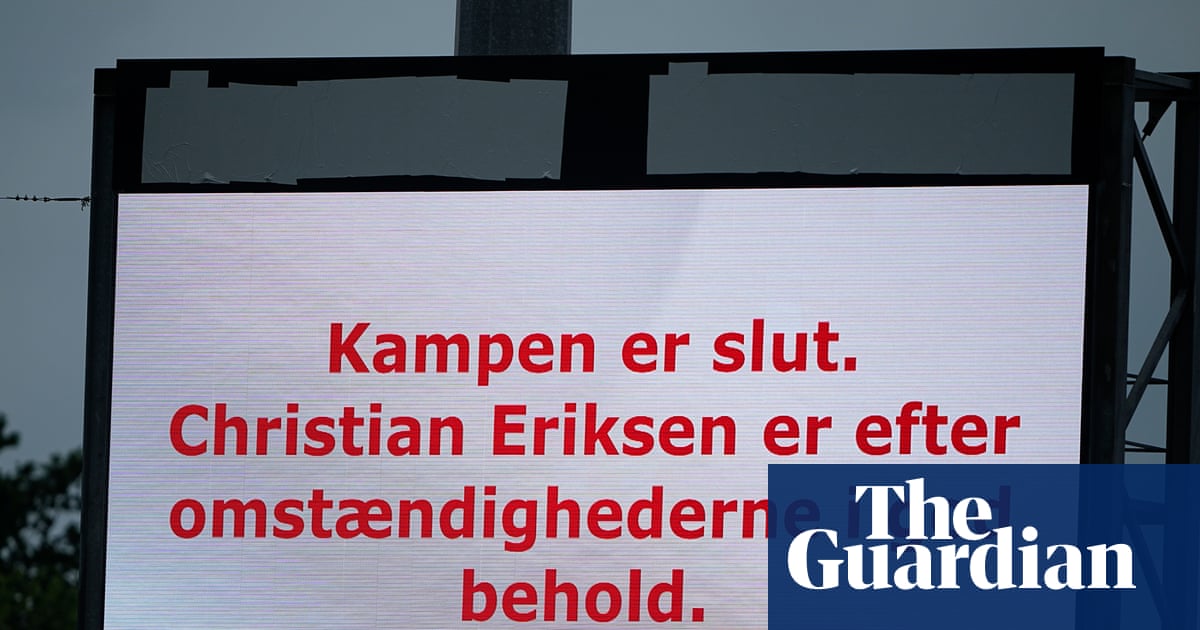
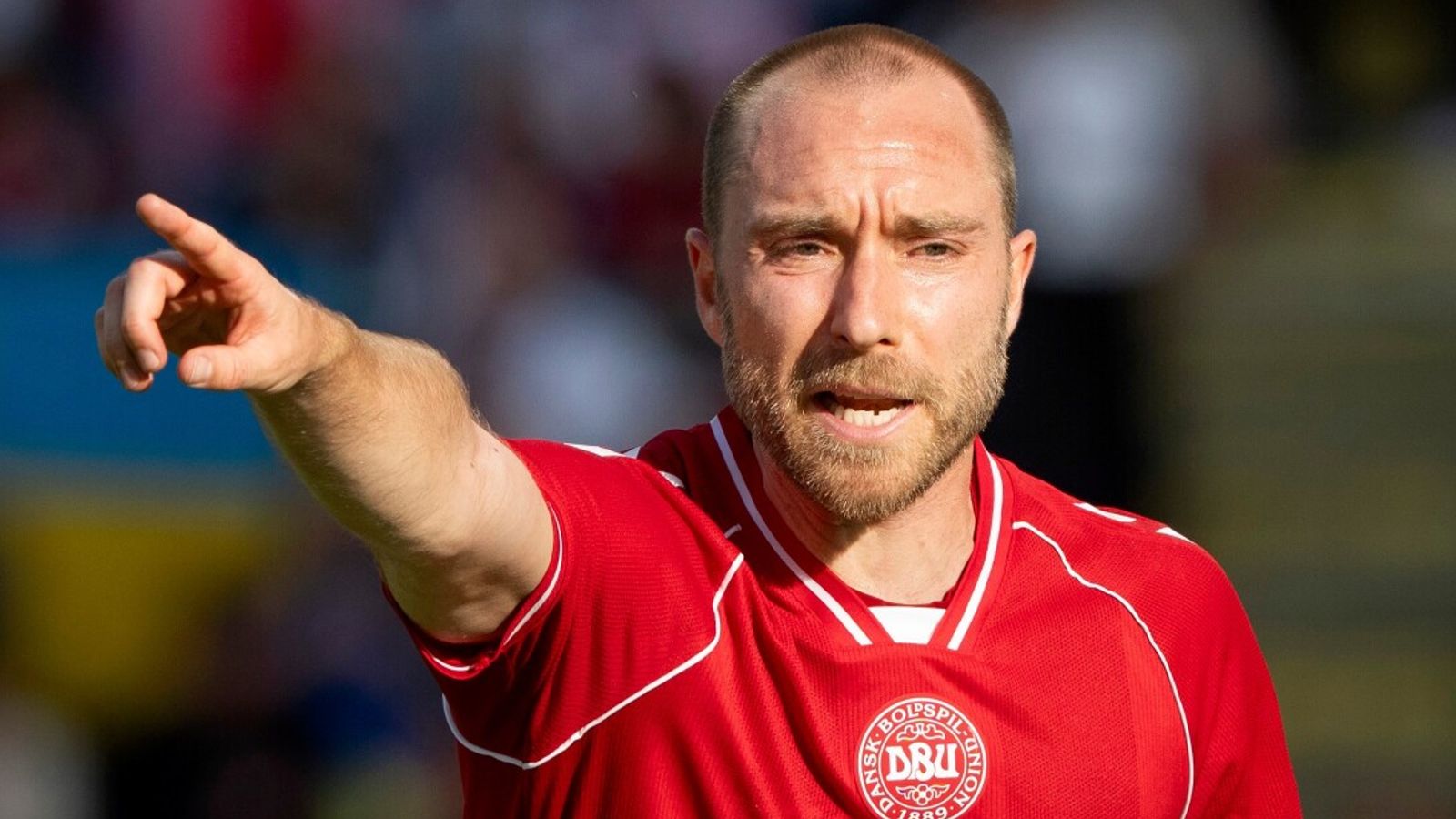
International squads usually spend the final seventy-two hours before a tournament fine-tuning tactical shapes and set-piece routines. Denmark, currently deep in the preparations for the FIFA World Cup, finds itself in a markedly different position. The focus shifted abruptly on Sunday when Christian Eriksen collapsed during a friendly against Ukraine, requiring immediate medical intervention before being cleared to return home less than twenty-four hours later.
This is the second time in recent memory that Eriksen’s health has dominated the news cycle, a detail that adds a sobering layer of tension to Denmark’s camp. He confirmed via social media that his recovery has already started, but the psychological impact on the dressing room is harder to quantify. Watching a peer lose consciousness on the pitch triggers a specific kind of anxiety that no amount of training ground chemistry can easily suppress.
Tactical ripple effects
Beyond the personal toll, Kasper Hjulmand must now consider the structural viability of his squad. Eriksen has been the primary creative engine for this team, tasked with operating in the half-spaces to dictate the flow of possession. If the midfield depth chart requires adjustment, the Danish setup loses its most reliable connector between the defensive line and the forwards.
Statistically, the reliance on Eriksen reaches a high point in transitions. Against Ukraine, the side attempted to push high, but the spacing suffered significantly once the game stopped. Losing a primary playmaker three days before the opening whistle forces the manager into a conservative tactical shift to protect the back four, potentially capping their ceiling in the group stages.
The organizational failure
Critics point to the heavy demands of the international calendar as a factor in athlete fatigue. While sports science continues to advance, the volume of matches placed on players in the lead-up to a summer tournament is bordering on reckless. The sight of a player of Eriksen's stature collapsing on the grass is a grim reminder that top-tier football pushes human biology to its limits.
As The Guardian reported earlier today, the medical staff acted with precision, which prevented a far grimmer outcome. Yet, the question remains: why are friendlies scheduled with such intensity mere days before major finals? It serves as a stark warning to other federations that player safety should outrank warm-up match revenue.
The road ahead
Denmark arrives at the tournament with a cloud of uncertainty hanging over their midfield. They still possess a solid defensive core, built on a disciplined low block that conceded few high-quality chances during the qualification phase. However, the lack of a primary transition outlet will be identified by their group opponents as a weakness to exploit.
My prediction: Denmark will struggle to find fluidity in their opening match. Without the deliberate, metronomic passing rhythm that Eriksen provides in the final third, they are likely to settle for a 0-0 or 1-1 draw. The motivation to perform for their teammate will be present, but the tactical execution will suffer from the lack of a central pivot. They will exit at the group stage unless they can drastically simplify their approach to target-man delivery.
Read Next