The human cost of international friendlies
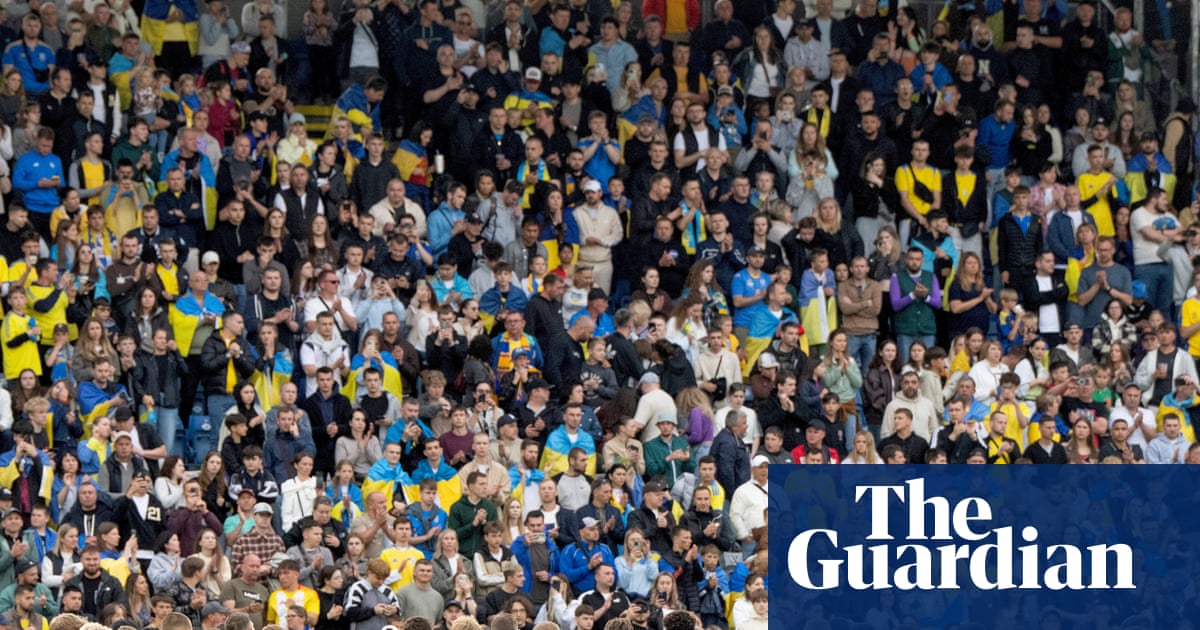
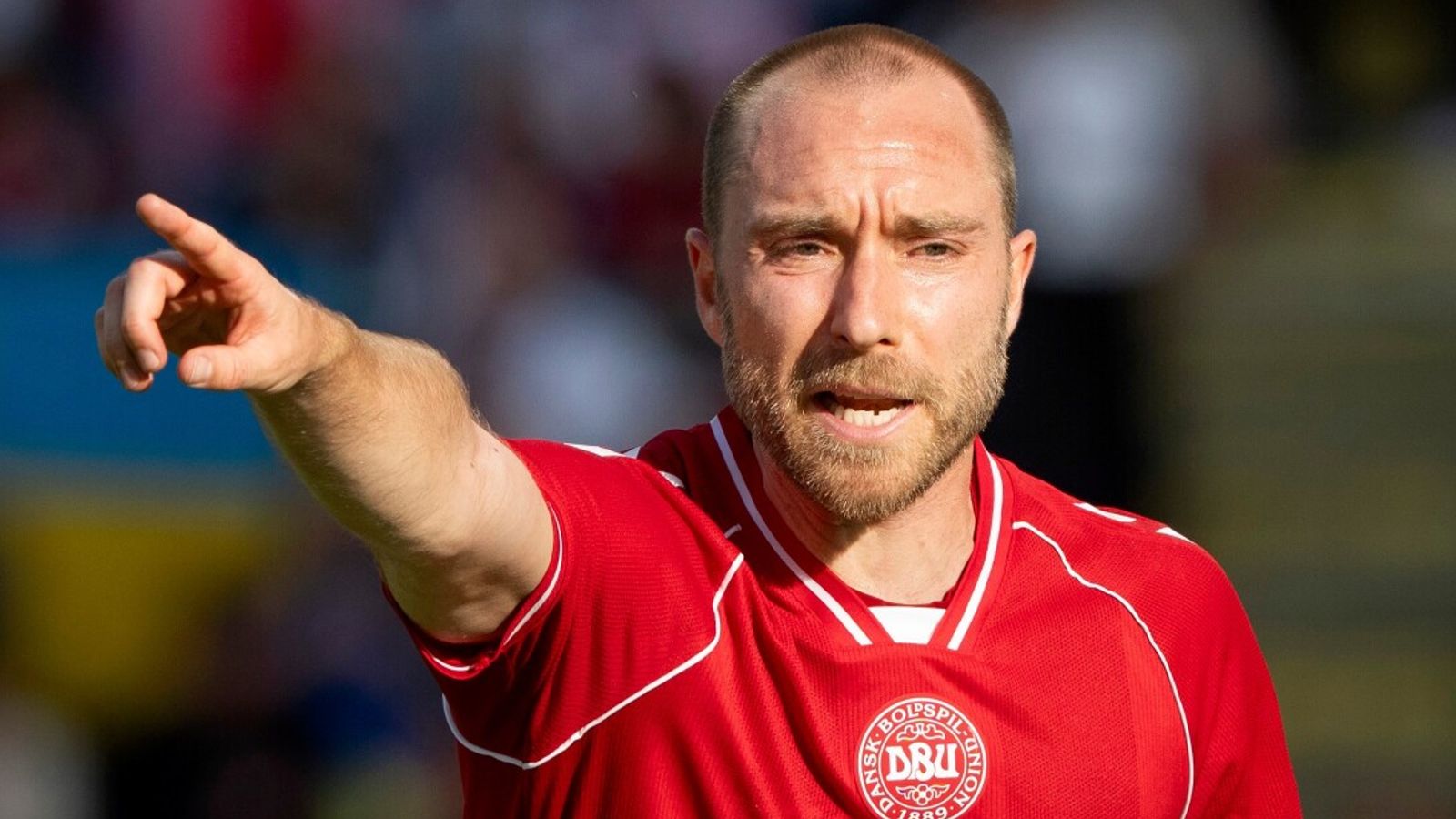
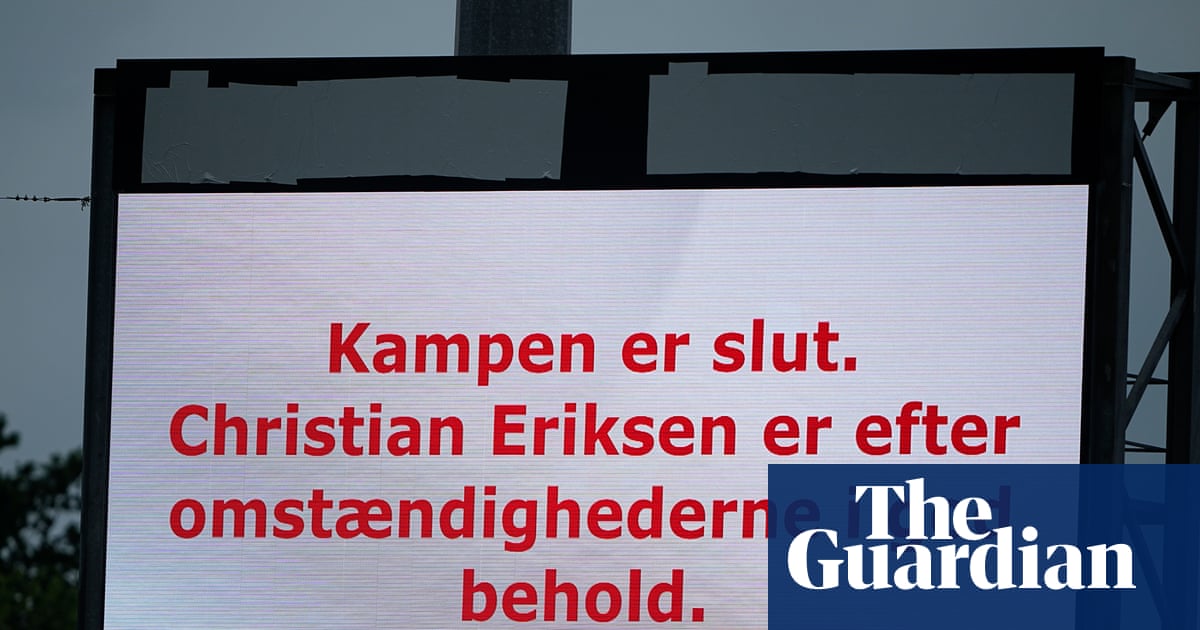
The incident on Sunday involving Christian Eriksen during Denmark’s friendly against Ukraine has shifted the entire conversation surrounding the pre-World Cup schedule. Seeing a player of his technical caliber collapse on the pitch is a jarring reminder that these fixtures, often billed as simple tune-ups, carry genuine risks for players already taxed by heavy domestic seasons.
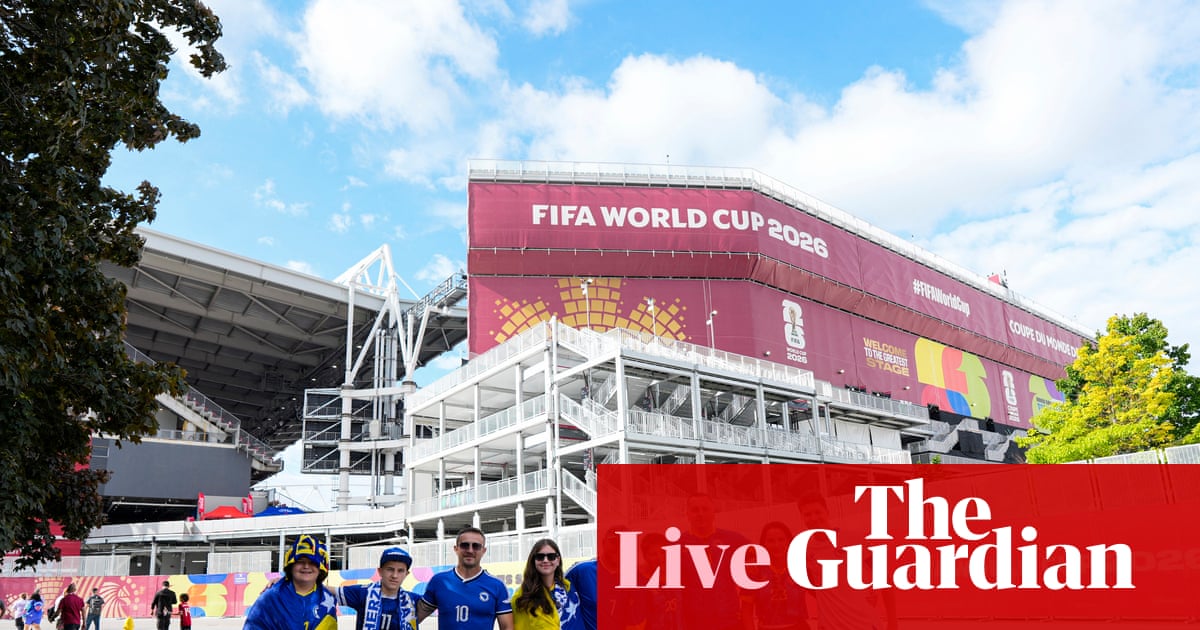
With FIFA World Cup 2026 kicking off on June 11, 2026, the timing of this event is particularly brutal. The Danish FA has confirmed Eriksen was conscious when he left the field, and that The Guardian reported he received immediate medical treatment. However, the emotional toll on the squad, which was mid-match when the abandonment occurred, is significant.
Tactical disruption for Group stages
From a purely analytical standpoint, this abandonment leaves Denmark in a precarious position heading into the tournament. Tactical rhythm in international football is built on repetition, set-piece drills, and high-intensity match simulations. The loss of a full 90-minute block of data against a side like Ukraine forces the staff to pivot toward closed-door sessions.
The disruption is magnified by the squad dynamics involved. Eriksen acts as the primary progressive passer for this Danish midfield, tasked with slicing lines between the defensive and middle thirds. Without that data point from the Ukraine match, the midfield setup becomes an uncalibrated variable looking at a June 11 start date.
The risk of late-stage exhibition games
Questions will inevitably resurface about the necessity of playing high-intensity friendlies mere days before the opening ceremony. The match concluded abruptly, leaving managers without the final check on their defensive shape or pressing triggers. It is hard to justify pushing players to their physical limits in exhibition settings when the primary objective should be squad preservation.
The attrition rate is not just about fatigue; it is about the inability to recover mental focus after witnessing a teammate’s medical emergency. Denmark will now have to re-orient their locker room culture in the 96 hours preceding their first group game. Whether they can regain their tactical cohesion remains the primary point of skepticism for their opening performance.
Read Next