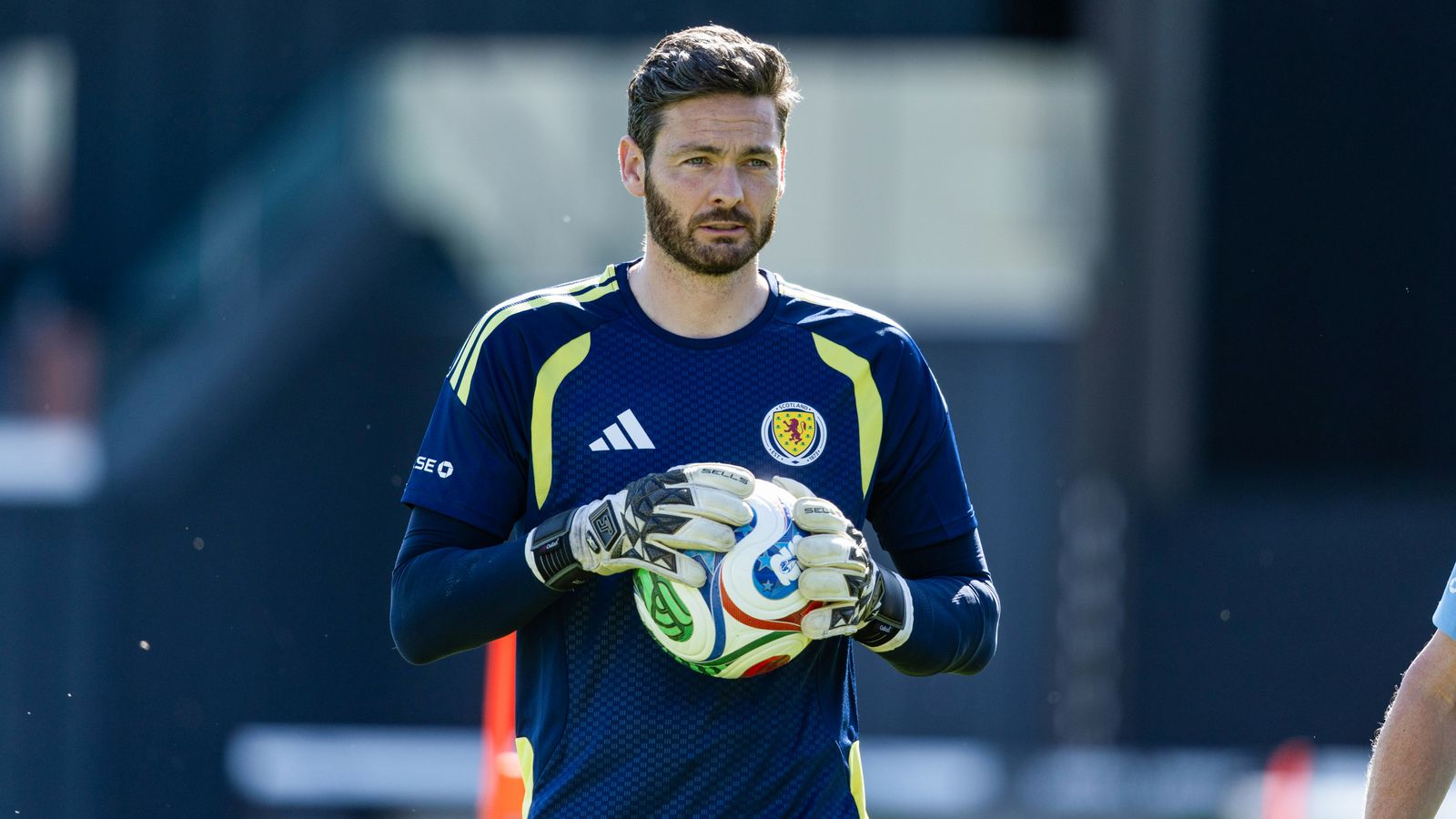
The reality check for Clarke’s men
Stepping onto the grass in three days, Scotland faces a gargantuan task. The narrative surrounding the squad leans heavily on grit, yet the tactical reality of their recent qualification path suggests a lack of top-end pace against elite international transitions. While the support remains feverish, the cold figures from the lead-up suggest they are vulnerable to quick ball circulation through the half-spaces.
As The Guardian previewed earlier today, the expectations for Group A have been recalibrated. Scotland enters this tournament with a defensive block that looked disorganized during set-piece scenarios in their final warmup match. Allowing 1.8 xG against opposition of moderate quality is a warning sign that the back three might be stretched thin when challenged by Brazil’s lateral movement.
Brazil’s tactical evolution
Brazil approaches this opener with a refined internal rhythm. The shift away from pure individual expression toward a rigid pressing trigger off the opponent's full-backs is the most noticeable change in their setup. They are prioritizing control over chaos, keeping their defensive line higher to asphyxiate space in the middle third.
The efficiency of their forward line is quantified by an 88% pass completion rate in the final third during their sprint to the opening match. If the midfield duo of Bruno Guimarães and his partner can dictate the tempo as they did in their last outing, Scotland will find themselves chasing shadows for the duration of the 90 minutes. Brazil's current tactical identity is built on high-intensity regains rather than sustained possession.
The strategic gamble
Scotland’s path to points remains tethered to their ability to launch successful counter-attacks. They require clinical precision in the 14th minute of every transition if they intend to survive. Relying on deep-block stubbornness is a high-risk endeavor against a squad as technical as Brazil’s current iteration.
The selection of the holding midfielder will determine everything. If Steve Clarke sacrifices a creative outlet for an extra defensive pivot, he concedes the game before kickoff. A 2-0 scoreline in favor of Brazil feels like a conservative but realistic projection if Scotland fails to disrupt the vertical passing lanes early. The gap in technical security between these two units is simply too wide to ignore.
My prediction stands: Brazil takes the points by a two-goal margin. Scotland will frustrate them for the opening twenty, but the structural integrity will dissolve under the relentless pressure of Brazil's high-functioning wingers. It is not going to be a pleasant watch for the Tartan Army, but it remains the inevitable tactical outcome.
Read Next
- Scotland are arriving at the World Cup with a chip on their shoulder
- USMNT chemistry issues persist despite the late push against Germany
- Liverpool’s identity crisis is the story of the summer
- Germany’s World Cup prep hinges on Kai Havertz’s form
- 🏆 World Cup 2026 — Full Coverage Hub
- 🏴 Scotland World Cup 2026 — Tartan Army Hub
- 🇧🇷 WC 2026 Group C — Brazil, Morocco, Scotland, Haiti