A haunting scene in Copenhagen
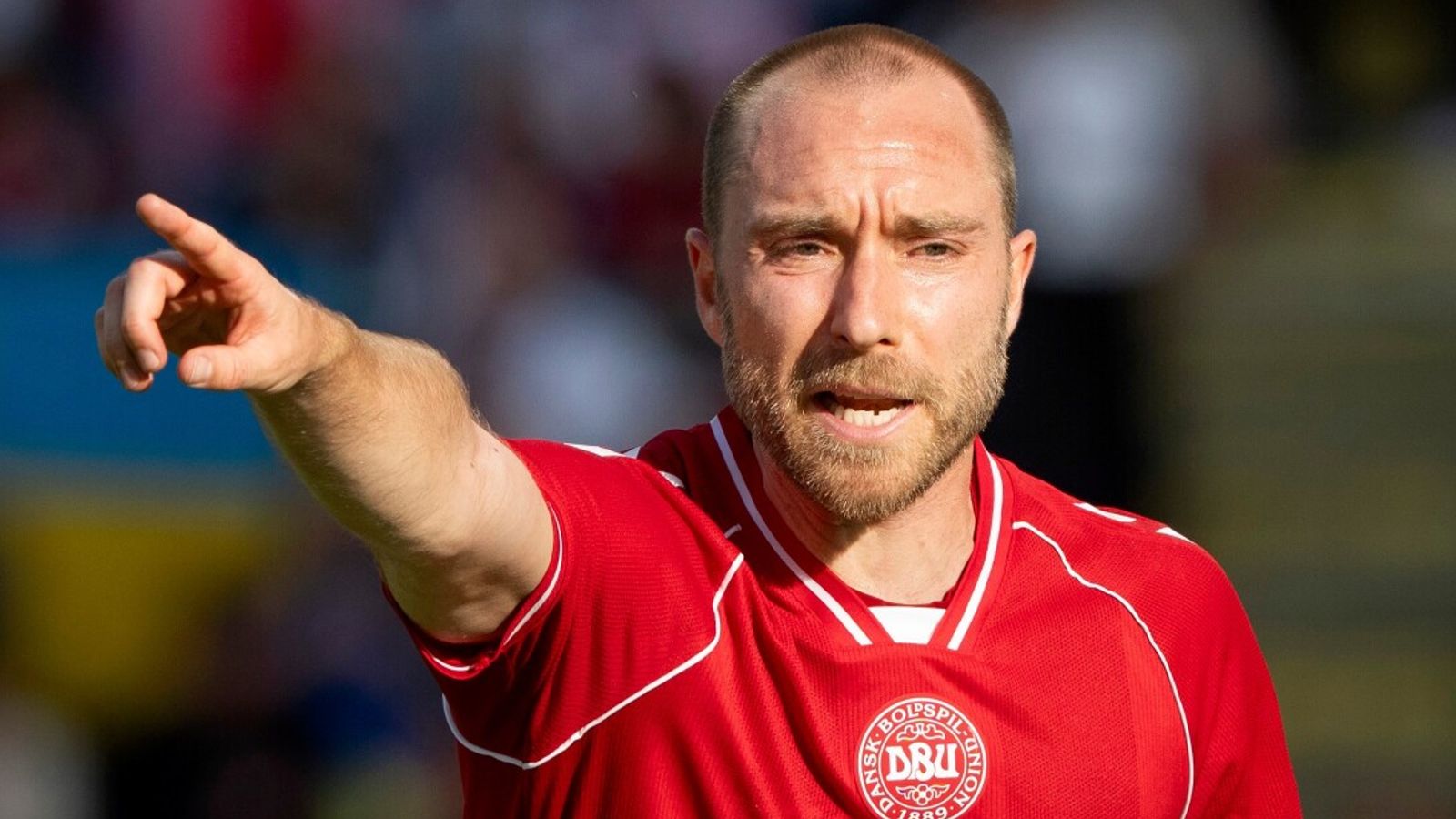
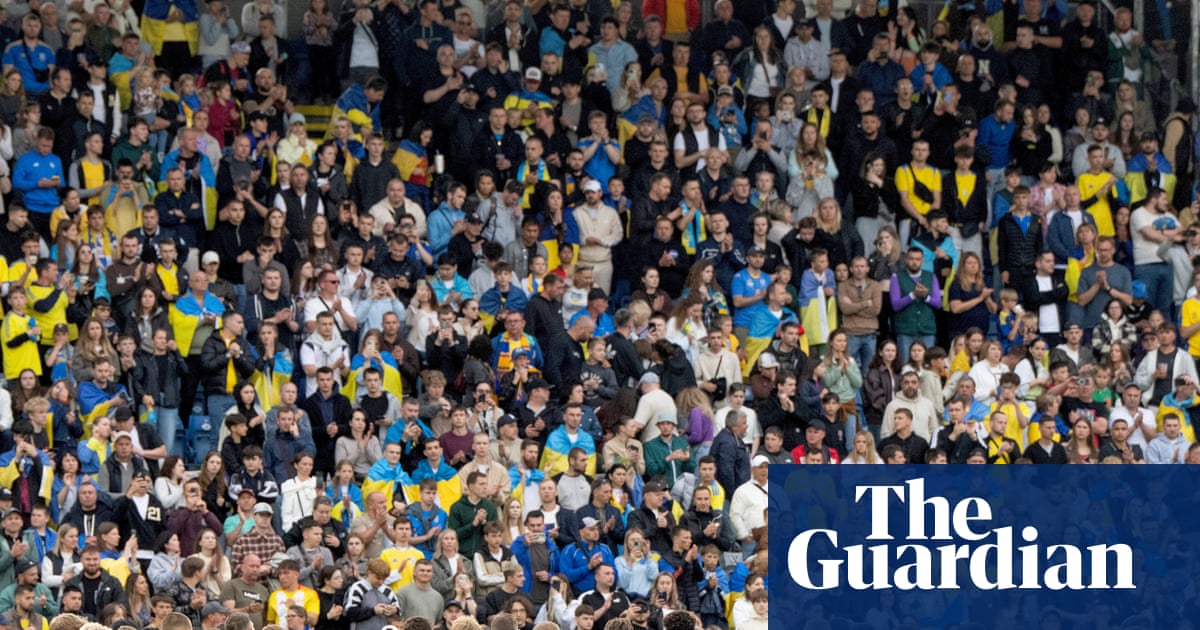
The football world stopped breathing on Sunday. Five years of progress, five years of triumphant returns, and five years of believing we were past the darkest moment of Euro 2020 all vanished in a single, gut-wrenching second. Christian Eriksen collapsed on the pitch during the match against Ukraine, leaving players from both sides visibly shaken and a stadium plunged into a deafening, panicked silence.
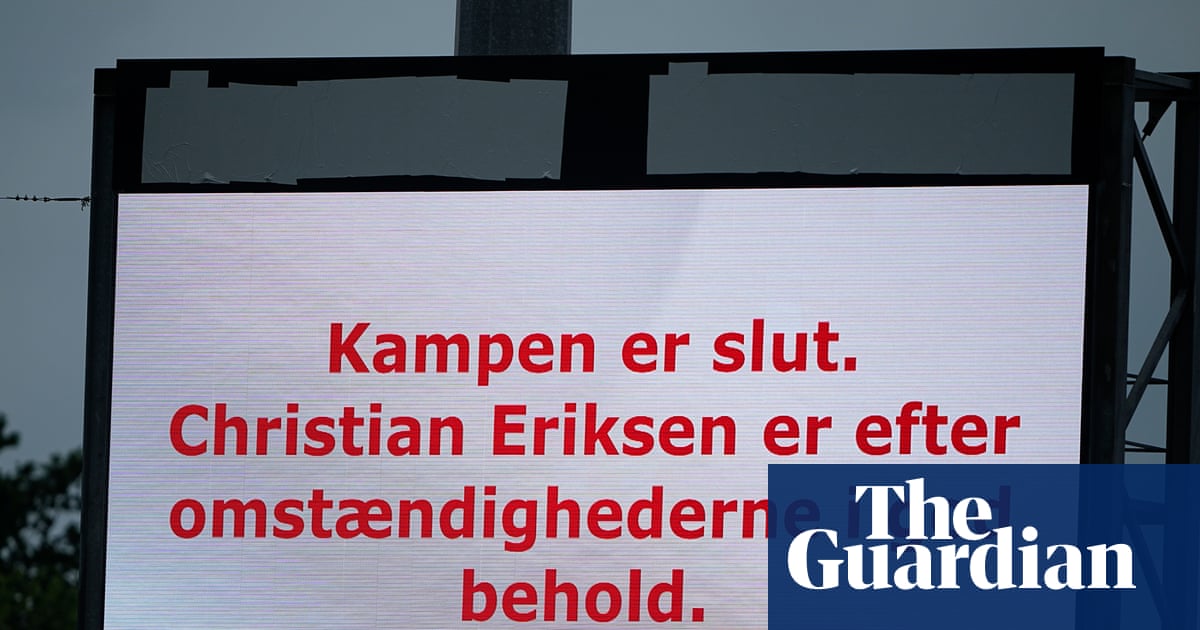
History repeating itself is a lazy trope when talking about sports, but this was a literal mirror image. Watching the footage, you could hear the thud of the crowd’s energy dying. The referee had no choice but to abandon the match. As The Guardian reported, the priority shifted instantly from professional sport to human survival.
The medical response and the aftermath
Medics rushed the field with the kind of practiced urgency that defines these high-stakes nightmares. It was clinical, fast, and desperate. We have become experts in reading the body language of players in these moments, and the defensive posture of the Danes shielding their teammate was all too familiar. It brings back the memories of June 2021 with such force that it feels like the trauma never actually left our collective consciousness.
The Danish Football Association thankfully confirmed that Eriksen was conscious when he left the field. It is the only detail that matters, yet it feels flimsy. Football365 noted the sheer horror of the scenes, and frankly, they are right. We are four days away from the World Cup kickoff, and this incident casts a massive, uncomfortable shadow over the tournament before a single ball is even kicked in earnest.
The uncomfortable questions remain
Let’s cut the fluff: this is a catastrophic failure of optics and likely internal safety protocols. How does a player with this specific medical history collapse during an international friendly five years later? Every medical clearance Eriksen received since 2021 was supposedly gold-standard. If this wasn’t a cardiac event related to his previous condition, it is still a massive red flag for the sport.
I am not a doctor, but I have eyes. Seeing a professional athlete go down without contact is the worst thing you can witness in a stadium. It makes the upcoming World Cup festivities feel frivolous. There is a dark cynicism in expecting players to perform at maximum output with the memory of this hovering over the pitch.
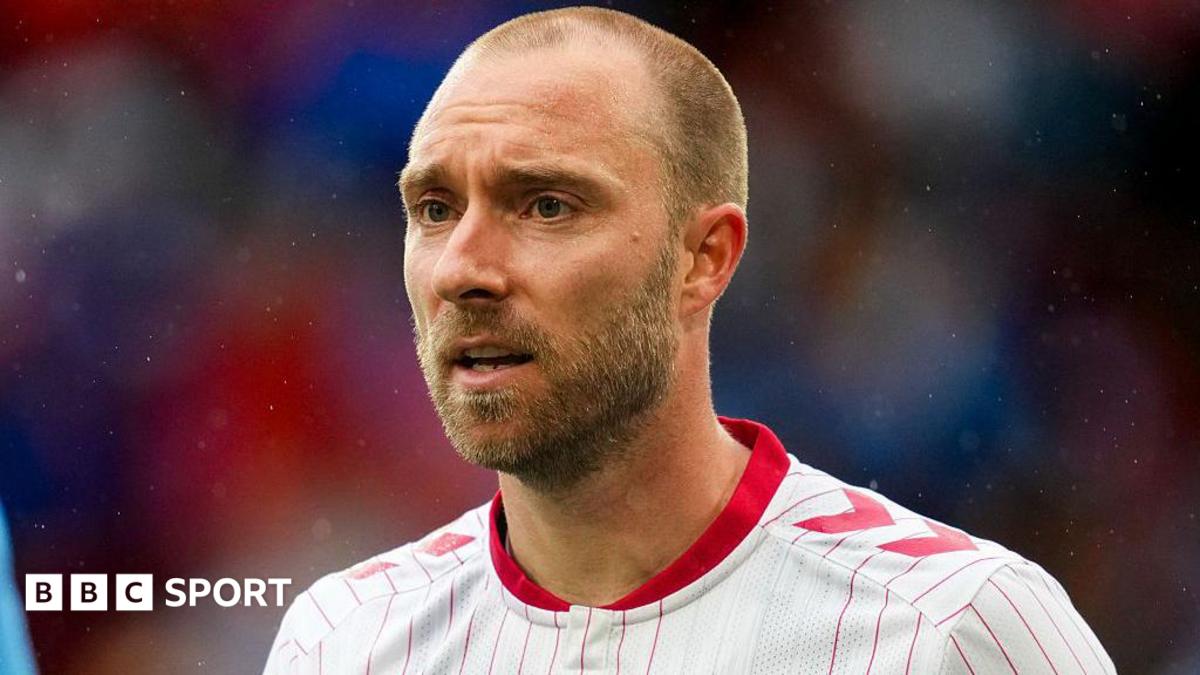
We have to look at the scheduling pressure. The BBC confirmed the abandonment, but the fact that these games are packed into windows like sardines invites disaster. When you push players to the red line for international friendlies, you aren’t testing their skill; you are testing their physiology at the absolute worst time.
The decision to proceed with the tournament needs to be treated with a hell of a lot more scrutiny than the usual PR statements we expect. We treat top-tier athletes like indestructible software entities, but they are flesh and bone. Seeing Eriksen down, even with the news that he is conscious, serves as a brutal reminder that the business of football is significantly more fragile than the suits in Zurich want us to believe.
The 5-year gap between these incidents will inevitably lead to a massive debate regarding return-to-play protocols. We aren’t just talking about a player; we are talking about a guy who has been the face of resilience in the sport. If this is where his journey ends after everything he did to get back, it is a bitter, cold, and devastating outcome for the game.