The Leopards are going to the dance
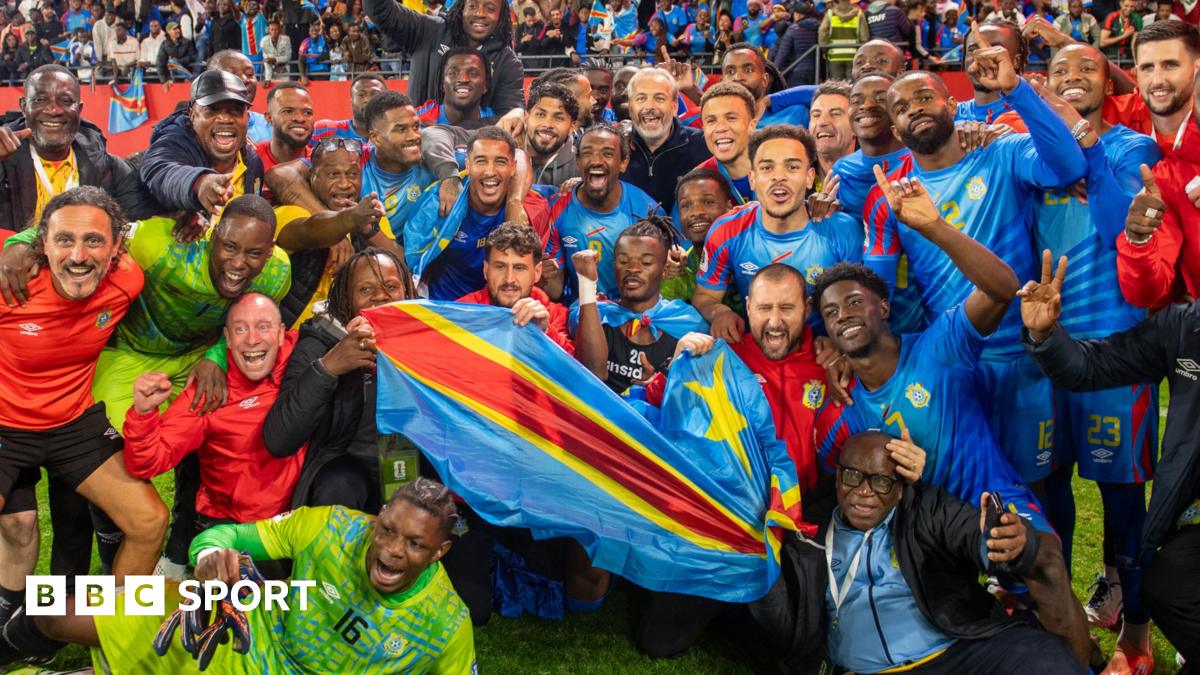
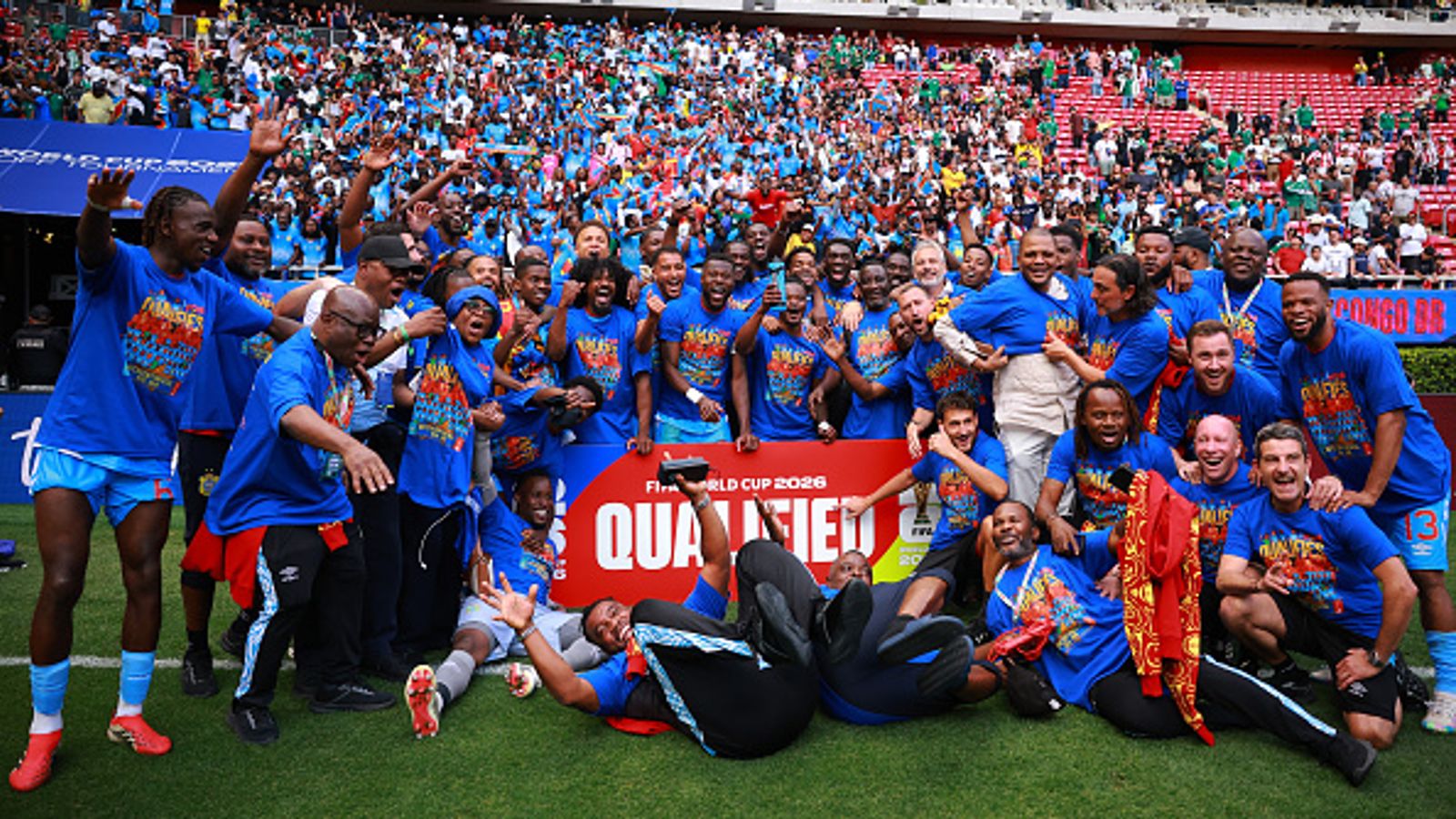
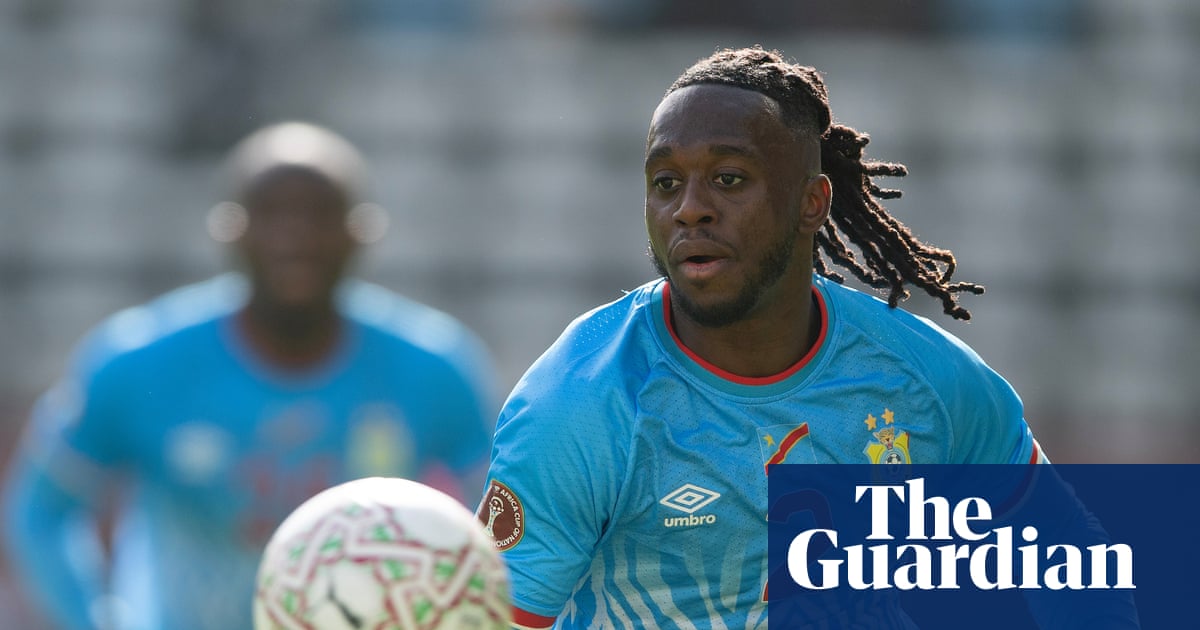
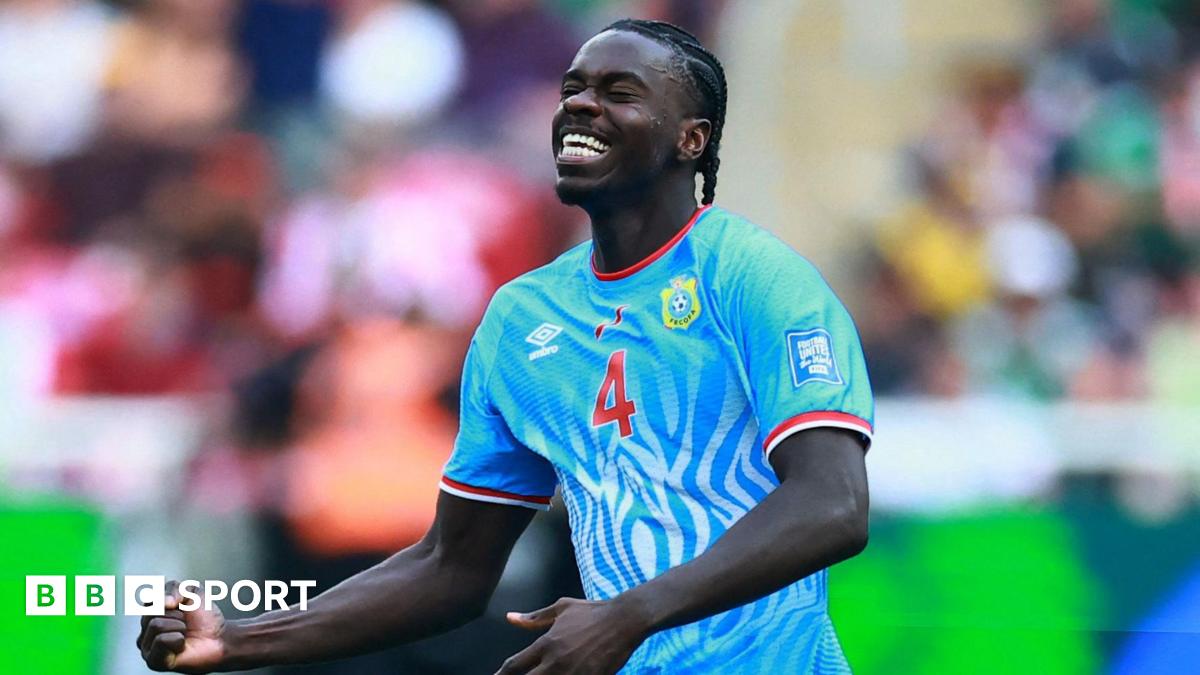
Stop everything you are doing and recognize what just happened. After 52 years of waiting, the Democratic Republic of Congo is officially back on the biggest stage on the planet. Axel Tuanzebe didn't just score a goal yesterday; he buried five decades of heartache with one swing of his boot in that 1-0 win over Jamaica.
We are talking about a hiatus that dates back to 1974. Most of the people currently running the Congolese FA probably weren't even born when the country last made an appearance in West Germany. To see them clinch this play-off spot now, mere months before the tournament kicks off, is the kind of underdog story that actually makes the sport worth watching.
The weight of 1974 is finally lifted
Think about the history here. During their last trip to the finals, they were performing under the name Zaire. They faced off against Scotland, Brazil, and Yugoslavia. They lost all three matches, shipping 14 goals and scoring zero. It was a brutal initiation into the global spotlight that haunted the national team's psyche for generations.
This current side, led by the grit of Tuanzebe, has been playing with a chip on their shoulder the size of the Congo River. Getting past Jamaica in a high-stakes play-off isn't a walk in the park. The Reggae Boyz are no pushovers, featuring a squad that relies on speed and aggressive transitions. Holding them to a clean sheet while nicking the decider required a discipline we rarely associate with this group.
Tactical maturity under pressure
Too often, DR Congo has been the team that collapses when the atmosphere gets toxic. They have historically been the kings of the "almost but not quite" scenario, failing at the final hurdle during AFCON qualifiers or regional tournaments. Watching them navigate the nerves of a winner-take-all play-off suggests a level of coaching maturity that simply wasn't there during previous cycles.
They didn't try to play beautiful, sweeping football and get caught on a counter-attack. They went into the trenches. They made the game ugly, they stifled the Jamaican midfield, and they waited for that one moment of quality. That is how you win tournaments, and frankly, that is how you survive in a World Cup group.
The road ahead is a minefield
Let's not get carried away with the celebrations, though. Qualifying is one thing, but showing up in June and actually competing is a steeper climb. I have major reservations about their depth once they face a team that presses with the intensity of a top-tier European or South American side. One injury to a key creator could turn their group stage run into a repeat of 1974.
They need to bolster the rotation before the kick-off on June 11, 2026. If they rely solely on the eleven who gritted out this win, they are going to get shredded by the big dogs. Managing the fatigue of a tournament format is a vastly different animal than winning a one-off play-off match.
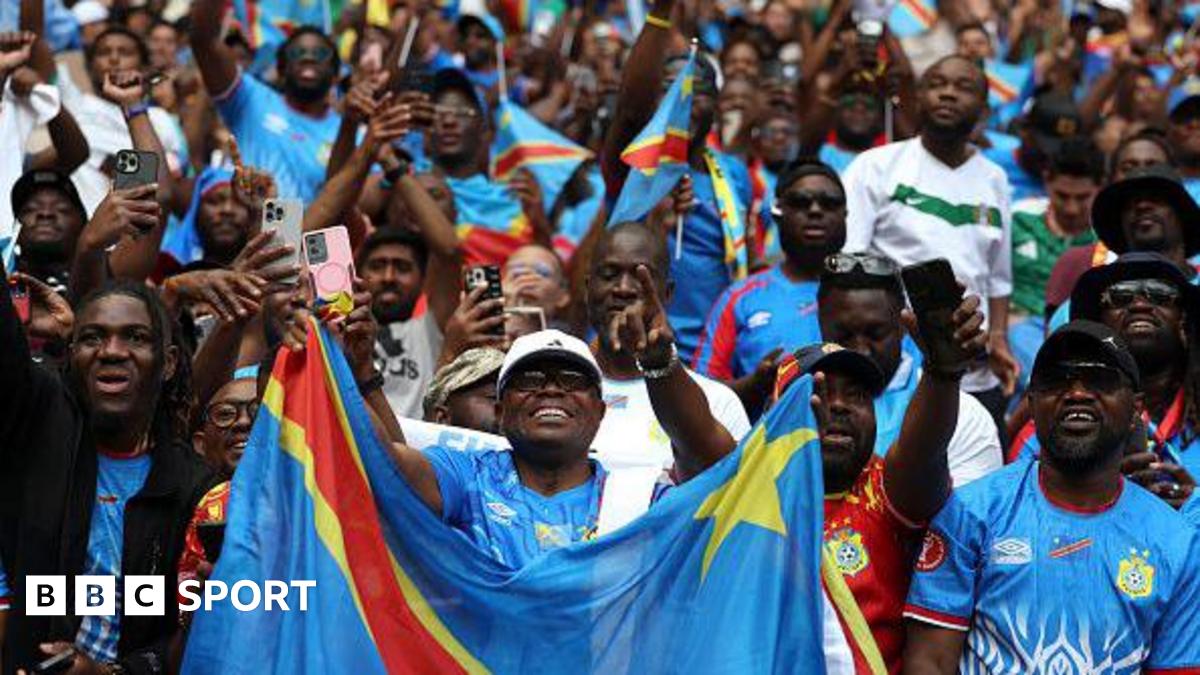
Still, for the fans in Kinshasa and the diaspora, this is the moment. They have lived through the mismanagement, the missed opportunities, and the rotating cast of coaches. For at least one night, none of that matters. They possess the golden ticket that felt like a myth for over half a century. Whether they make it to the knockout rounds or get booted after three matches, nobody can take away the fact that their national anthem will be played on a global stage again.