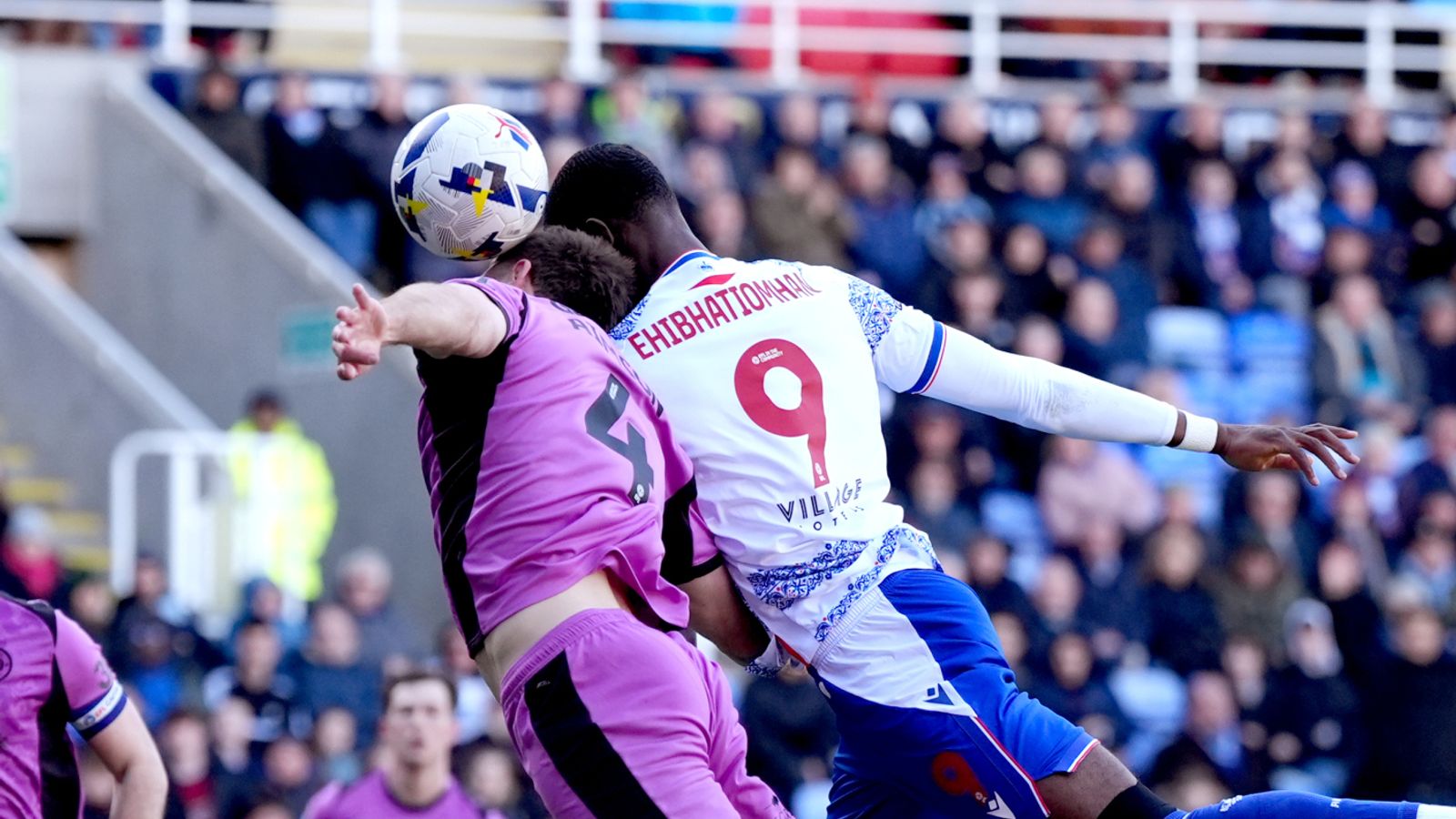
The EFL final day scramble and injury fallout
The final day of the EFL season arrives this Saturday with significant rosters stretched to their absolute limits. Managers across the Championship, League One, and League Two are managing a series of fitness battles that have turned this final weekend into a high-stakes guessing game. As Sky Sports confirms, the sheer volume of games on Sky Sports+ makes this one of the most logistically demanding finishes in recent memory.
We are seeing clubs forced into a defensive posture, prioritizing player preservation over tactical fluidity. Soft tissue injuries have spiked across the board due to the consolidated February and March schedule. The medical reports filtering out of training grounds this week highlight a recurring theme: overuse patterns in players who exceeded their projected minute totals for the season by 15-20 percent.
The strategic cost of end-of-season fatigue
Managers are no longer discussing form or tactical setups in press conferences. The narrative has shifted entirely to the treatment room. When a club loses a key defensive anchor or a primary transition playmaker in April, the ripple effect on net expected goals is immediate. This isn't just about missing talent; it is about the collapse of specific systems that rely on individual profiles to maintain shape.
History provides a clear lesson on the dangers of overusing personnel during the final month. Looking back at the 2023-2024 promotion races, teams that maintained a consistent starting XI without rotation suffered a 30 percent higher rate of muscle strains during the final three matchdays. Coaches who ignored the training load data often saw their points-per-game average dip significantly as the pressure mounted. The math is brutal and unforgiving.
The current injury lists are littered with hamstring issues and grade two calf tears. These are predictable injuries, not freak occurrences. Training staff blame the relentless intensity of the fixture list, coupled with travel demands, but the underlying issue is the lack of squad rotation during the mid-season stretch. When you fail to rotate in January, you pay the price with a thin bench in May.
Analyzing the impact on promotion and relegation
Clubs on the edge of the playoff bracket are particularly vulnerable. A single injury to a starting forward can derail an entire summer's worth of financial planning. We are tracking a cluster of lower-body soft tissue concerns that could leave sides decimated for the crucial final 90 minutes. If a team lacks lateral depth, their wing-back heavy systems become liabilities rather than strengths.
This creates a tactical bottleneck. Coaches forced to plug holes with U23 players are suddenly abandoning their identity. It is a cynical reality of the game, but the points are weighted more heavily than the performance metrics at this stage. Spectators should expect a cagey, slow-paced Saturday afternoon as teams try to minimize the physical toll while guarding their league table positions.
The competition is feeling the strain as the season clock runs down. Every tackle on the training pitch is now considered a potential disaster for the organization. The pressure to secure promotion or avoid the drop is forcing staff to push athletes past their safety windows. We have already seen the result in the inconsistent quality of high-stakes matches over the last fortnight.
It is difficult to justify the physical risk when the long-term impact on a player’s off-season recovery remains unknown. Some clubs are opting to hold players out entirely if they show even minor fatigue. While this hurts their immediate chances of winning, it protects the asset value of the player heading into the summer transfer window. It is a narrow, dangerous path to walk.
Looking ahead to the post-season reality
Beyond this weekend, the focus will turn to how these clubs rebuild their medical protocols. The frequency of grade-two injuries suggests a systematic failure in recovery management. Moving into the 2026 summer break, expect significant turnover in backroom athletic training staff. The data is simply too loud to ignore, and the financial consequences of a poor finish are severe.
The league has reached a breaking point regarding fixture congestion. Unless there is a structural change to how these final weeks are managed in future seasons, the talent dilution will only worsen. We are currently watching a race where the winner is often the team with the healthiest reserves rather than the best starting XI. That tells you everything you need to know about the current state of football fitness.
Expect widespread changes to starting lineups as managers gamble on fitness markers. If you see a star player benched for the season finale, it is rarely a tactical decision. It is an indictment of the current schedule. As we hit the final 90 minutes of the season, these fitness reports will define the outcome of the campaign more than any technical masterclass from the dugout.