The April Gauntlet Approaches
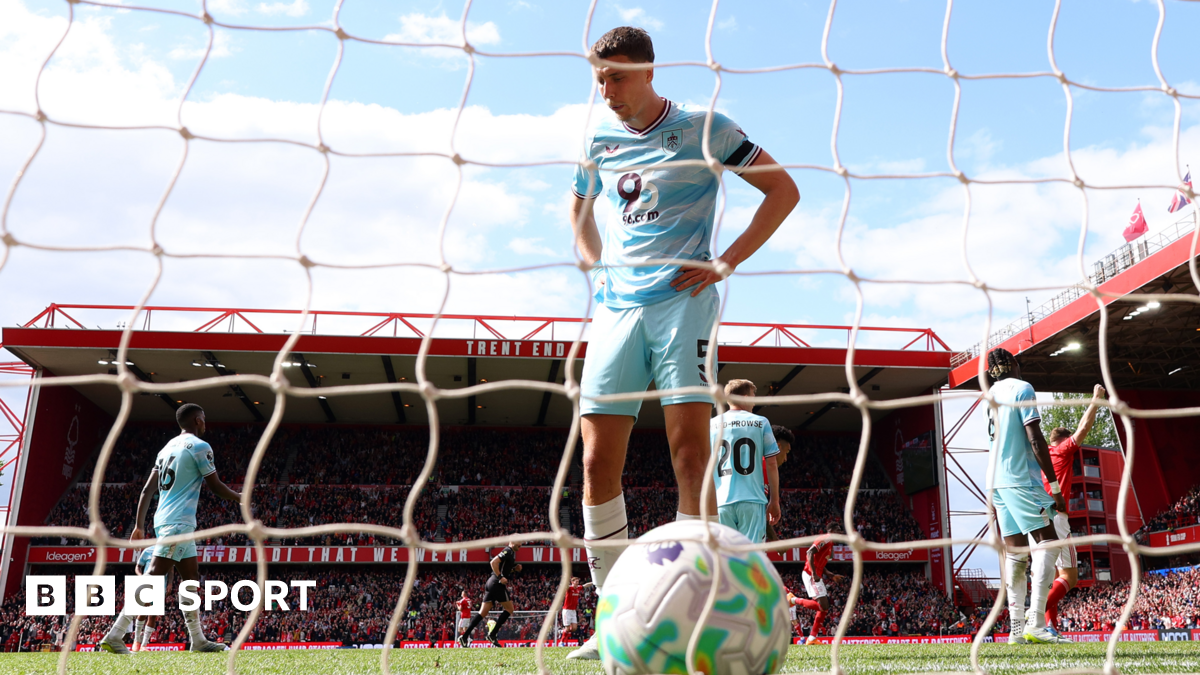
Late March in the English Football League is a distinct genre of sport. You are 40 games into a 46-game meat grinder. The pitches are heavy. The squads are depleted. The tactical masterplans drawn up in pristine July sunshine have long been shredded by the reality of Tuesday night trips to Carlisle or Stevenage.
This weekend's slate of fixtures, tracked relentlessly across Sky Sports' League One coverage, represents the tipping point. The separation between the automatic promotion hunters and the playoff hopefuls is razor thin. Form guides get thrown out the window. Key match-ups are decided by who has the most functioning hamstrings.
But what actually changes on the pitch during this period? It is fascinating to watch the tactical regression that happens across the lower divisions when the pressure ramps up.
Possession as a Defensive Tool
In League One, we have seen a massive shift over the last half-decade. The division is no longer just a battle of second balls and target men. Teams try to play. They build from the back.
But in March and April, possession changes its purpose. Look at how the top teams operate right now. Early in the season, retaining the ball is about creating overloads. It is about dragging wing-backs out of position to exploit the half-spaces. Now? Possession is simply a defensive mechanism.
When a team is holding a narrow 1-0 lead away from home, the center-backs pass the ball across the backline not to probe, but to kill the clock. The pressing triggers from the opposition become desperate. You see attacking midfielders jumping out of shape to chase shadows, leaving massive gaps between the lines.
The League Two Physicality Tax
Drop down to League Two, and the picture changes again. The latest League Two highlight reels often tell a story of sheer chaos. Set pieces, penalty box scrambles, and moments of catastrophic defensive errors dominate.
The tactical preview down here is often dictated by pure physical survival. Squad depth is non-existent. You have players heavily strapped, grinding through their 41st game of the season. Defensive lines drop ten yards deeper than they did in August.
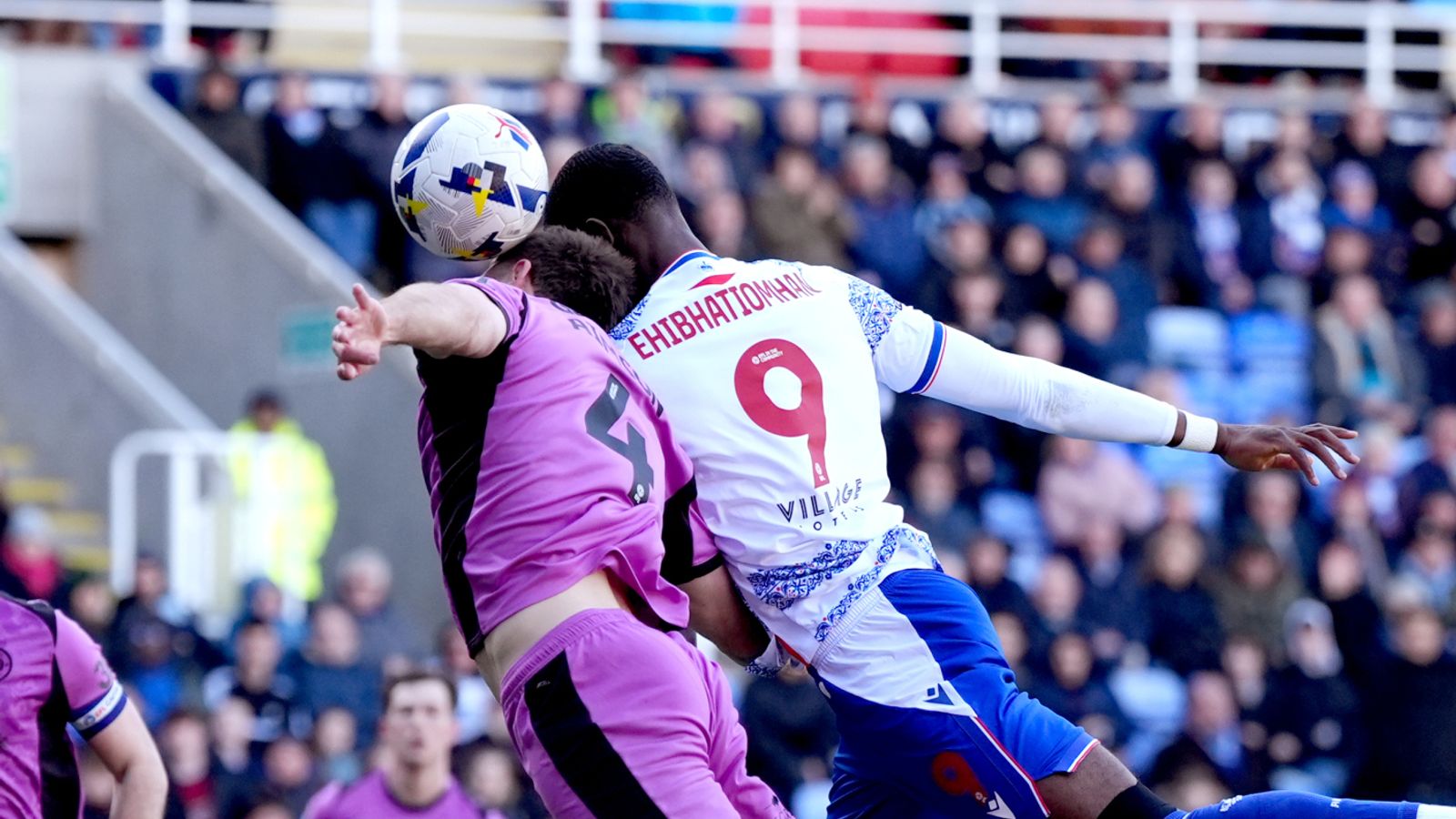
Nobody wants to leave space in behind when their center-backs are running on empty. This creates a congested midfield battle where second balls are everything. The team that wins the knockdowns on the edge of the area usually takes the points.
Where the Masterplans Fail
This is the fundamental flaw in relying purely on technical superiority in the lower leagues. You can recruit ball-playing defenders and intricate playmakers. You can drill your patterns of play until they are second nature.
But what happens when you are away from home, the wind is howling, the pitch is uneven, and the opposition is employing a low block with five across the midfield? Your patterns break down. Your playmakers get isolated and frustrated.
The successful managers in this division have a Plan B. They need a striker who thrives in the chaos—someone with the relentless engine of a Paul Mullin or the instinctive box movement of an Alfie May. If you lack that secondary dimension, you will inevitably drop points in these decisive fixtures.
The Anatomy of a Lower League Press
Let us break down exactly how pressing changes in these final weeks. In August, a high press is coordinated. The number nine curves his run to cut off the passing lane between center-backs. The central midfielders step up onto the deepest pivot.
By late March, that coordination frays. The anatomy of a collapsed press looks like this:
- The center-forward triggers the press a half-second late due to fatigue.
- The midfield pivot fails to step up, terrified of leaving space behind.
- The opposition center-back steps into the gaping hole and bypasses the midfield entirely.
Suddenly, the pressing team is completely exposed. Because the front three pushed up, but the midfield was too tired to follow them tightly, there is a massive gap in the center of the park. You see this repeatedly in League One right now. Teams are getting bypassed too easily because their press is fractured.
The Set-Piece Dependency
When open-play creativity stalls due to heavy pitches and tired legs, set pieces become the primary currency of the EFL. It is not a coincidence. Look at the underlying numbers for teams securing promotion.
Their expected goals from set pieces spikes dramatically in the final two months of the season. Winning a free kick on the edge of the area is often easier than stringing together a ten-pass move through a packed defense.
We are seeing far more intricate set-piece routines in League One than we did a decade ago. It is no longer just lumping it towards the tallest center-back. Teams use blockers, dummy runs, and clustered starting positions to create confusion. But the execution is incredibly difficult under pressure.
The Psychology of the Chase
There is a distinct psychological difference between leading the pack and chasing the playoffs. The teams in the automatic promotion spots start to play with fear. You can see it in their body language. Every misplaced pass draws groans from an anxious home crowd.
The team feels that anxiety. They stop taking risks. The full-backs stop overlapping. The midfielders take the safe, lateral option instead of the progressive, line-breaking pass. This fear is a tactical straightjacket.
Conversely, the teams chasing the playoff spots play with a strange sort of freedom. They are the hunters. They can afford to throw caution to the wind because drawing is useless to them. They need wins. This dynamic creates wildly unbalanced fixtures.
The Impact of the Five-Sub Rule
We cannot ignore how the five-substitute rule has altered the run-in dynamics. It used to be that starting elevens simply ran themselves into the ground. Now, managers can effectively change half their outfield team.
This allows teams to maintain a high-intensity approach for much longer in the game. But it also creates a massive advantage for the clubs with deeper pockets. In League One, the financial disparity is stark.
A team with a massive budget can bring on three starting-caliber attackers in the 70th minute against a tiring defense. For the smaller clubs, those final twenty minutes are a desperate rearguard action. They simply do not have the depth to match the fresh legs coming off the opposition bench.
The Illusion of Control
Watch the touchline behavior this weekend. Managers who pride themselves on control will stand there watching their team get dragged into a chaotic, transitional basketball match. It happens every year.
The ball turns over rapidly. The midfield is bypassed. Wing-backs are caught high up the pitch, resulting in massive counter-attacking opportunities. The transition phases are incredibly stretched, a stark contrast to the structured games of early autumn.
This lack of control is terrifying for a coach but phenomenal for the neutral. It is why the live weekend updates are packed with end-to-end action late in the season. Teams abandon their rigid structures in search of late equalizers, throwing bodies forward with reckless abandon.
A Brutal Prediction
Someone is going to bottle it this weekend. It is the nature of the beast. A team sitting comfortably in the playoff spots will go away to a relegation-threatened side, dominate possession, fail to break down the low block, and concede a 92nd minute winner from a set piece.
It is entirely predictable in its unpredictability. The tension is too high. The margin for error is non-existent. A misplaced pass from a usually reliable holding midfielder like Krystian Bielik or a missed clearance from a veteran defender can derail an entire campaign.
If you are looking for tactical purity, look to the Champions League. But if you want to see the raw, unfiltered essence of competitive football, where careers and club futures are on the line, the EFL run-in is unmatched. Keep an eye on the teams who simplify their game. They are the ones who will be celebrating in May.
Read Next
- England's Friday disaster means the WSL derby carries the weekend
- Phil Foden's tactical stubbornness is writing him out of Tuchel's World Cup plans
- Jashari wants to be the next Pirlo, but does he have the passing range?
- Japan expose the glaring tactical flaws Steve Clarke refuses to fix
- 🎮 EFL League One 2025-26 — Wrexham, Birmingham & Promotion Race Hub