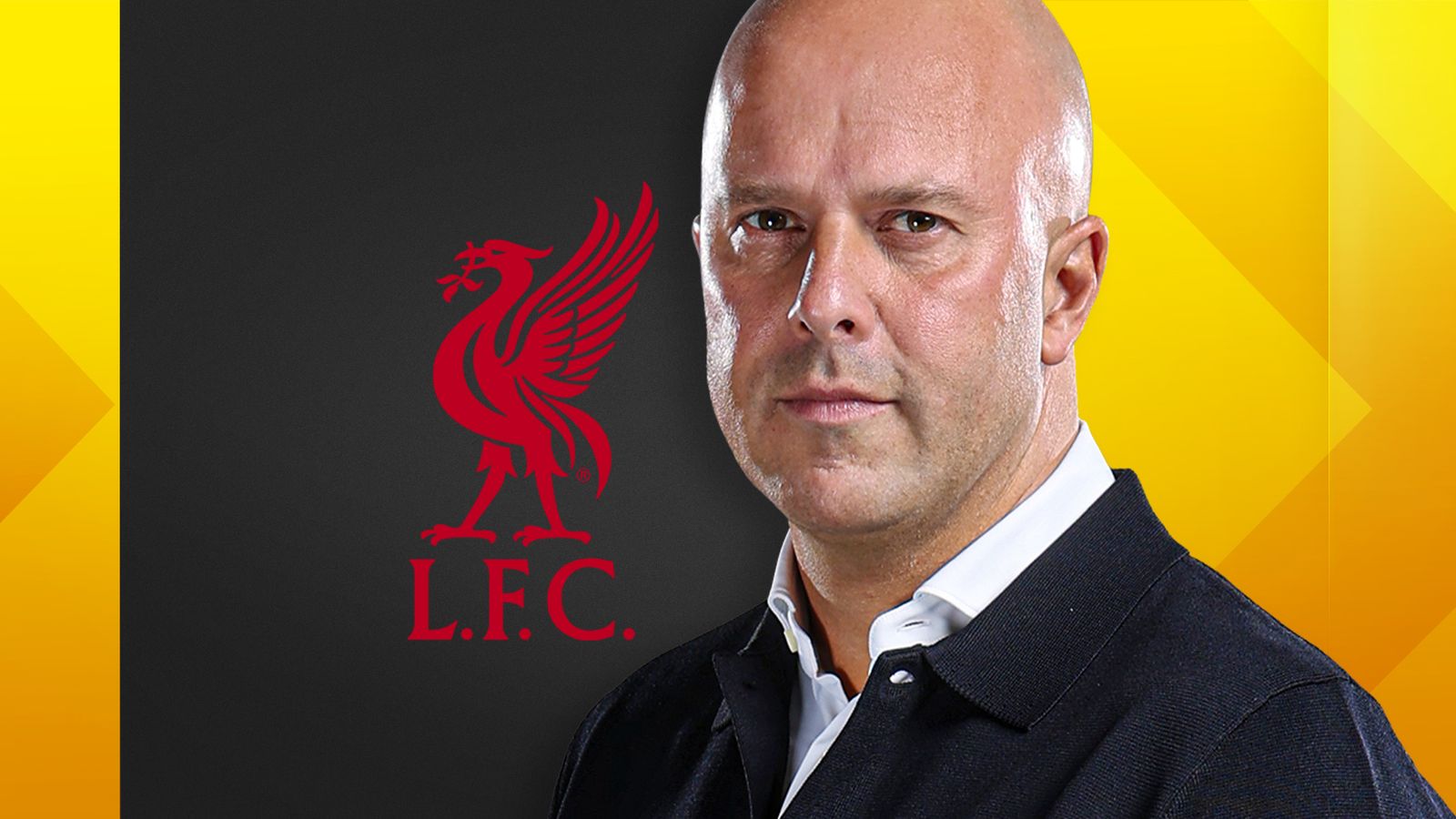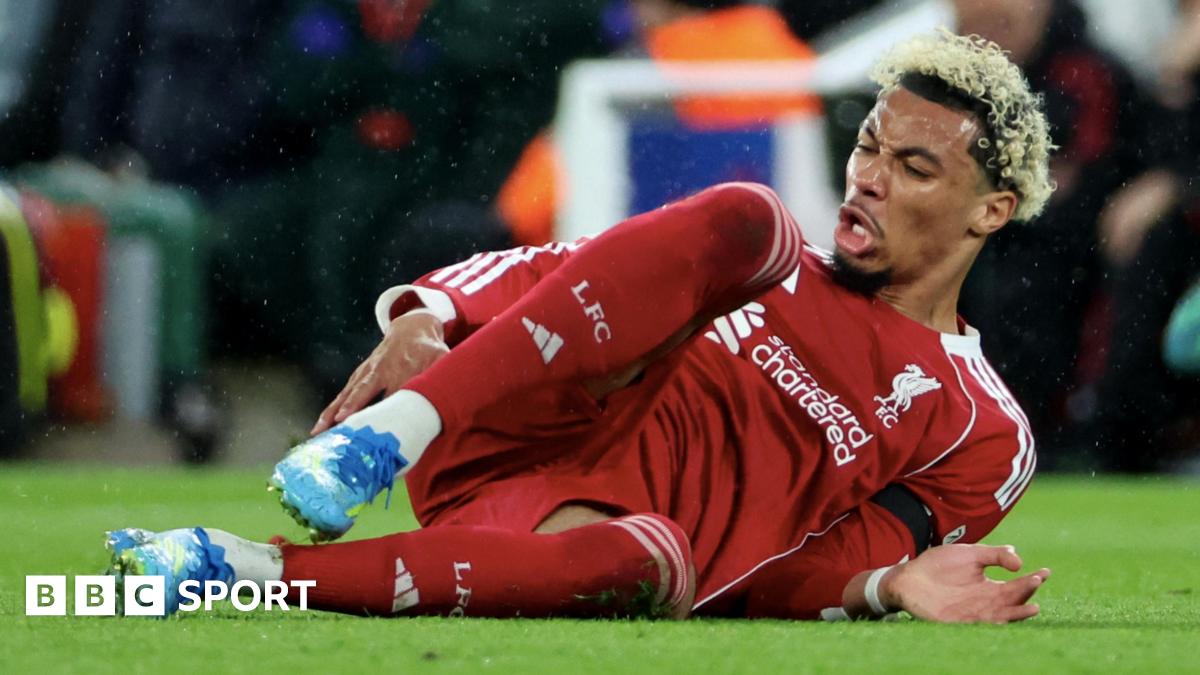
April is the cruelest month in European football. Muscles tear, tendons snap, and seasons collapse under the weight of accumulated fatigue. We are exactly 56 days away from the 2026 FIFA World Cup kickoff. For Liverpool’s Hugo Ekitiké, that timeline is now completely irrelevant. The French forward is out.
Reports confirmed this morning that Ekitiké will miss the summer tournament following a severe physical setback sustained during the critical final stretch of the domestic campaign. Initial reports indicated he was set for scans to determine the severity. Those medical results have now delivered the worst possible news for both Arne Slot and Didier Deschamps.
This is a massive blow for Liverpool. Their attacking depth has been a lifesaver this season, but losing a physical focal point changes how they approach the remaining fixtures. You don't just organically replace that kind of direct running and hold-up play.
The timing is horrific. Liverpool are staring down a heavily congested fixture list as the Premier League run-in intensifies. If they are to navigate the final weeks of the season, they will have to do it without one of their most dynamic attacking outlets.
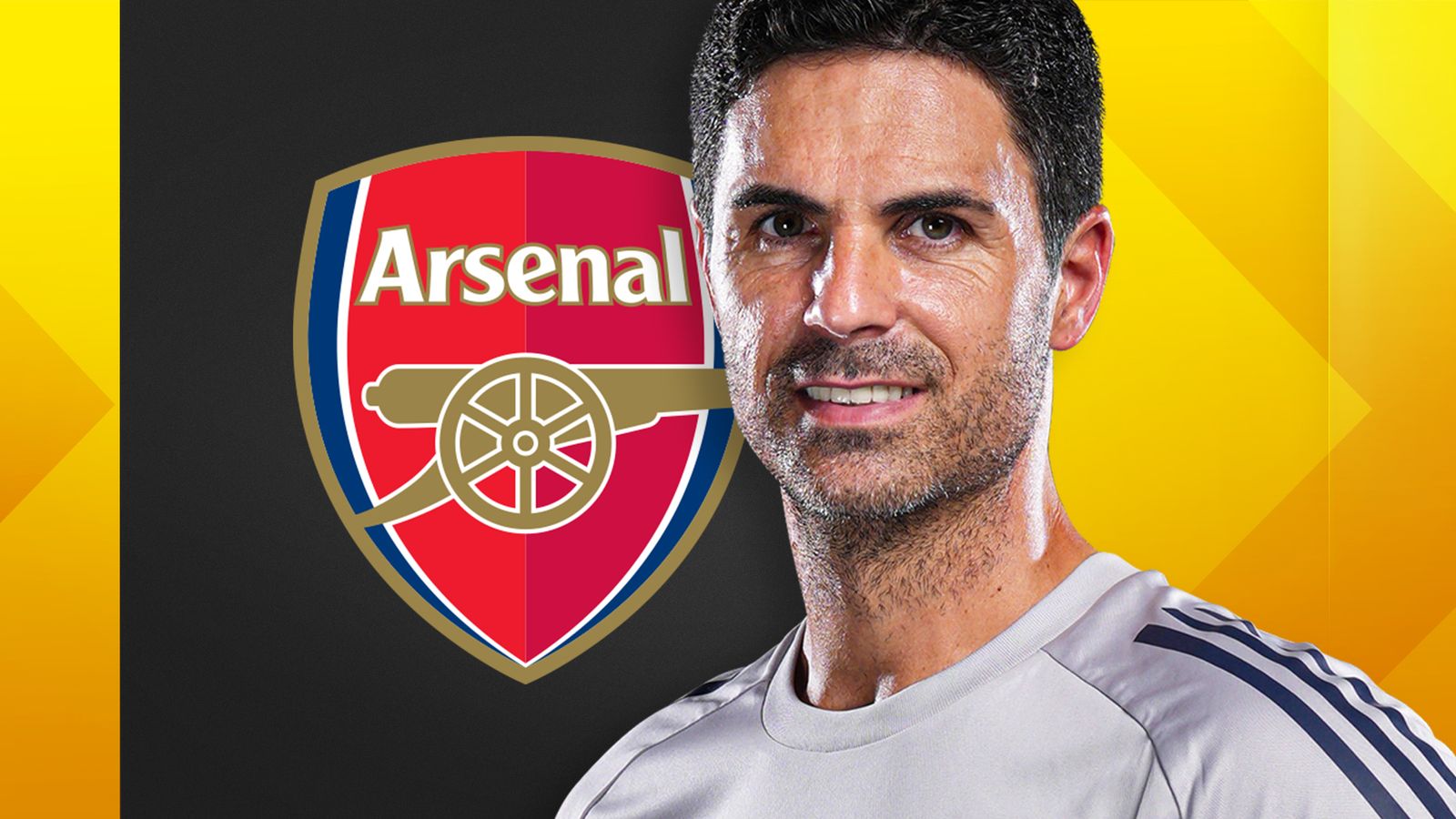
And they are not the only title contenders dealing with a medical crisis right now. Down in North London, Mikel Arteta is watching his squad disintegrate at the worst possible moment.
Arsenal's midfield engine shuts down
Arsenal’s latest medical update is grim. Noni Madueke limped off the pitch this week, adding yet another body to an already crowded treatment room. The winger had been providing vital rotational minutes, injecting raw pace against tired opposing fullbacks. Now, he joins a growing list of casualties.
Madueke’s sudden exit compounds a much larger problem for the Gunners. Martin Ødegaard remains absent. The Arsenal captain has been sidelined and recently spoke to the media to explain his ongoing injury absence. When Ødegaard does not play, Arsenal’s entire pressing structure and offensive tempo look entirely different.
Arsenal have a documented history of late-season physical drop-offs. We saw it in 2023 with William Saliba's back injury derailing their title charge. We saw it when Thomas Partey's muscles routinely failed him during the April sprint. Arteta demands a high-intensity, relentless style of play from his squad. That demanding style has a severe physical cost, and the bill is coming due right now.
Critics have rightly pointed out Arteta's extreme reluctance to rotate his core players early in the season. This is the direct, negative consequence of that stubbornness. You cannot run your best eleven into the ground in October and expect them to be sprinting freely in May. The warning signs were flashing months ago, yet the rotation policy barely shifted.
The Ekitiké fallout in Merseyside
Returning to Liverpool, the Ekitiké situation remains the most severe of the bunch. According to Sky Sports, initial fears were confirmed swiftly after his scans. A serious injury has officially wiped out his summer plans.
Ekitiké had finally started to find his rhythm at Anfield. His physical hold-up play gave Liverpool a distinct alternative to their usual high-speed transition game. Without him available, their tactical flexibility takes a massive hit. Opposing defenses can now sit deeper without worrying about his specific aerial presence inside the penalty area.
This development also throws a massive wrench into France's World Cup preparations. Deschamps relies heavily on having multiple, distinct profiles of attackers on his bench. Ekitiké offered something fundamentally different than Kylian Mbappé or Marcus Thuram. Now, the French medical and coaching staff will have to look elsewhere for that physical profile.
For Liverpool, this raises difficult questions about their own medical conditioning and load management. Ekitiké’s workload has been noticeably heavy. Was this a freak contact injury, or the inevitable result of accumulated fatigue? Modern elite football rarely allows for adequate muscular recovery.
Historical context and tactical shifts
We have seen this exact scenario play out before at Anfield. In 2021, Liverpool’s entire defensive line collapsed due to injury, forcing them to play natural midfielders at center-back. They barely managed to salvage Champions League qualification that year. While Ekitiké is an attacker, the disruption to the overall team balance is remarkably similar.
When a team loses a tactical focal point, the midfield is forced to change its passing angles. The fullbacks have to alter their crossing targets. It creates a domino effect that disrupts the established muscle memory of the entire squad.
Arsenal's situation with Ødegaard is even more pronounced. He is the undisputed metronome for Arteta's side. He dictates the tempo and triggers the high press. Without him on the pitch, Arsenal frequently look rushed in possession. They force vertical passes that simply aren't there. Their typical suffocating control evaporates.
Opposing managers are acutely aware of this vulnerability. You can expect upcoming opponents to press Arsenal's backup midfielders relentlessly. They will intentionally test Arteta's depth. They will try to force turnovers in the middle third, knowing Ødegaard is not there to retain possession under heavy pressure.
Madueke's absence simply removes Arteta's best backup plan. If Plan A fails, Plan B was often to isolate Madueke out wide against a tired defender in the final twenty minutes. That tactical lever is now completely gone.
This is exactly where domestic championships are decided. Trophies are not won in August when everyone is fresh and optimistic. They are won in late April, when the squad is held together by medical tape, painkillers, and pure adrenaline.
Both Arteta and Slot are facing defining moments in their respective seasons. Adapting to these specific injuries will heavily dictate whether their campaigns end with open-top bus parades or empty rationalizations.
Expected return timelines and final thoughts
For Ekitiké, the medical prognosis is devastatingly clear. His season is over. The World Cup is officially off the table. A return to full training in late autumn for the 2026/2027 season seems like the most realistic timeline, depending entirely on his surgical outcomes and early rehabilitation progress.
Arsenal's medical situation is far murkier. Ødegaard’s own explanation of his absence suggests a day-to-day or week-to-week evaluation process. But muscle injuries are notoriously tricky to manage during a title run-in. Rush him back too soon, and a two-week strain easily becomes a two-month tear.
Madueke's noticeable limp needs immediate and thorough evaluation. As Sky Sports noted, this increases the Gunners' injury concerns exponentially. If he has suffered a hamstring tear, he could be looking at anywhere from three to six weeks on the sidelines. In the context of the current domestic calendar, a four-week absence essentially ends his club season.
The medical staffs at both London Colney and the AXA Training Centre are currently working overtime. They are no longer focused on achieving peak physical performance. They are focused entirely on absolute damage limitation.
Ultimately, this week’s news serves as a brutal reminder of professional football’s fragile reality. A single awkward step, a sudden sprint to the touchline, and a player's dream of playing on the global stage is permanently erased. Ekitiké will now be forced to watch the World Cup from his living room. Arsenal will desperately try to survive the run-in without their captain and a key winger. The relentless football calendar simply grinds on, unapologetically leaving broken bodies in its wake.
Read Next
- Noni Madueke injury fallout clouds Arsenal's quarter-final rotation
- Hugo Ekitike is out and Liverpool's season is officially on life support
- Transfer Tussles: Arsenal Builds, Liverpool Holds Firm
- Hugo Ekitiké suffers serious Achilles injury in Liverpool Champions League exit
- 🏆 World Cup 2026 — Full Coverage Hub
- ⭐ UCL 2026 — Champions League Quarter-Finals Hub