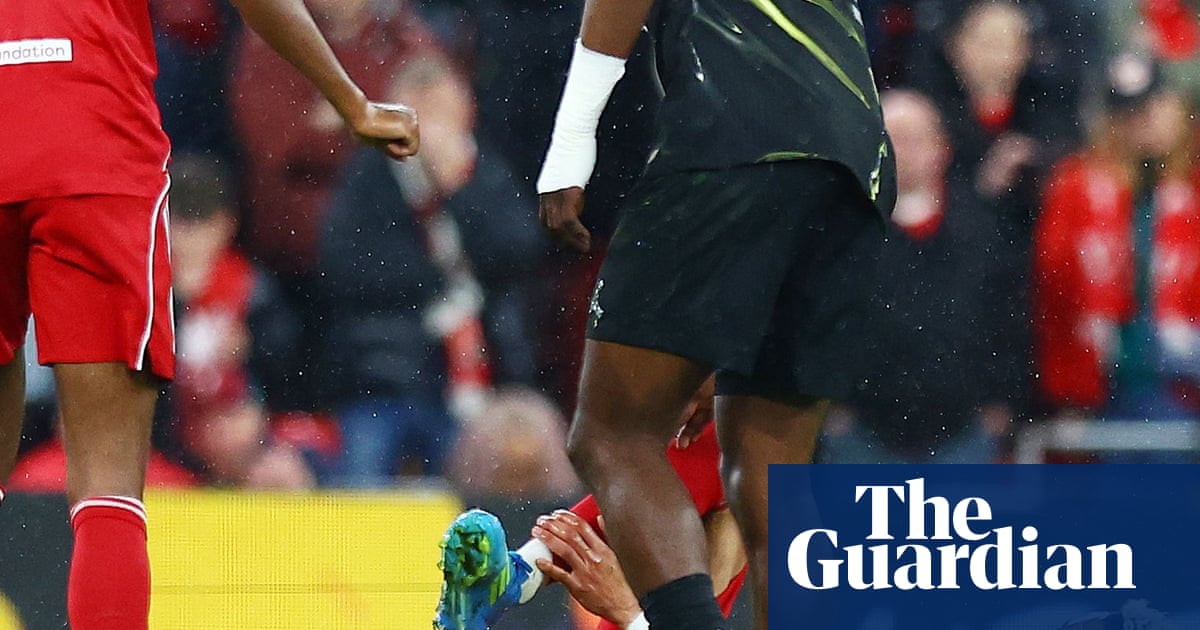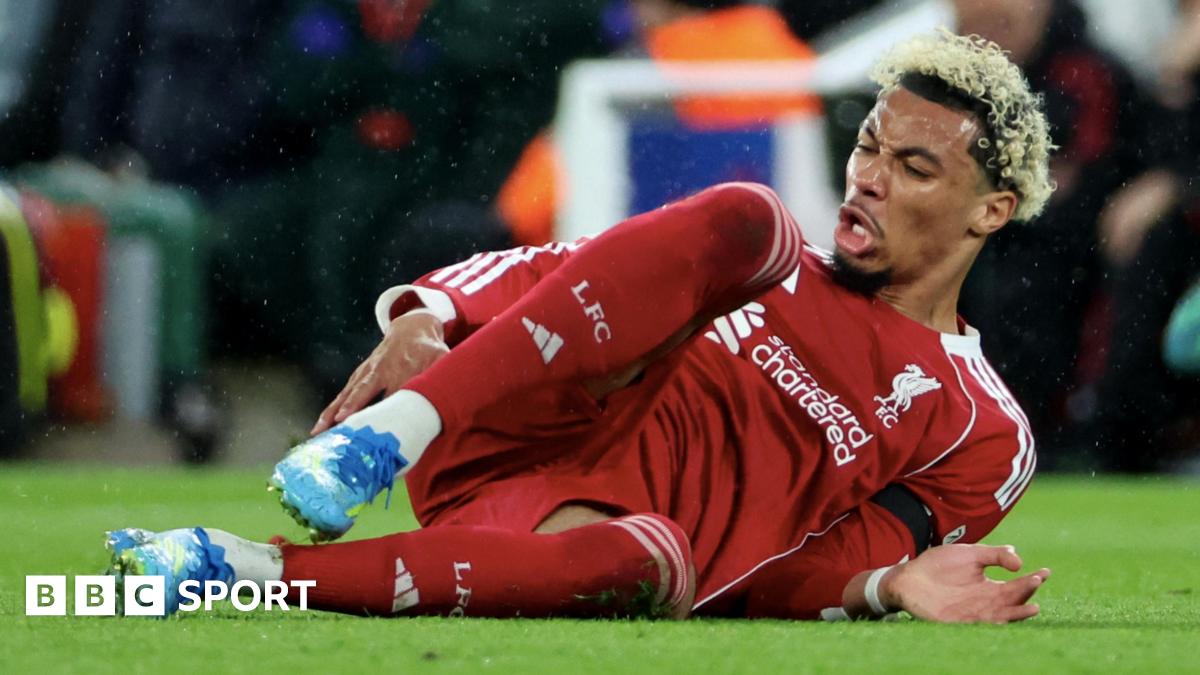
The Anfield Nightmare Unfolds
Liverpool's Champions League ambitions took a severe hit, not just on the scoreboard against Paris St-Germain, but in the medical room. France international Hugo Ekitike, a crucial component of Jürgen Klopp's attacking strategy, is facing a lengthy period on the sidelines following a suspected Achilles injury sustained during the decisive encounter. The immediate prognosis suggests the young forward will miss the upcoming FIFA World Cup 2026, a devastating blow for both player and country.
The incident occurred during a high-stakes match where Liverpool's European hopes were finely balanced. Ekitike's sudden collapse, clutching his heel, sent immediate concern through the Anfield camp and the French national team setup. While official confirmation on the full extent of the damage is pending, initial assessments point to a significant Achilles problem, an injury notorious for its demanding recovery timeline.
The Cruel Reality of an Achilles Tear
An Achilles injury represents one of football's most feared diagnoses. Recovery from a ruptured Achilles tendon typically spans six to twelve months, a gruelling period of rehabilitation involving surgery, extensive physical therapy, and a gradual return to match fitness. For a player of Ekitike's pace and explosive power, the path back is fraught with both physical and psychological challenges, demanding immense resilience.
This kind of injury does not merely sideline a player; it often redefines their career trajectory. The explosive power required for acceleration, jumping, and sudden changes of direction, all integral to Ekitike's game, originates from the Achilles tendon. Regaining full confidence and peak performance after such a setback is a testament to an athlete's dedication, but it is rarely a swift process.
World Cup Aspirations Dashed
The timing of Ekitike's injury is particularly cruel, arriving just weeks before the FIFA World Cup 2026 kicks off on June 11, 2026. For France, a perennial powerhouse and one of the favorites for the tournament, Ekitike's absence creates an immediate void in their attacking depth. His versatility and ability to play across the front line would have offered Didier Deschamps critical options during the intense schedule of a major international competition.
The dream of representing one's nation on the biggest stage is often the pinnacle of a footballer's career. For Ekitike, having seemingly cemented his place in the French squad with strong club performances this season, this injury shatters that ambition. It’s a bitter pill to swallow, particularly as he was entering what many considered his prime years, poised to make a significant impact at both club and international levels.
Liverpool's Immediate Conundrum
For Liverpool, Ekitike's injury couldn't come at a worse moment. The Reds are deep into a tightly contested Premier League title race and are still battling in the latter stages of the Champions League. With UCL Semi-Finals scheduled for April 28 and May 5, and a potential UCL Final on May 28, Klopp's squad depth will be stretched to its absolute limit.
The burden now falls even more heavily on Liverpool's remaining attacking options. The relentless fixture list, a common complaint among managers this season, continues to take its toll, pushing players to their physical breaking point. This incident highlights a recurring concern across top-flight football: the sheer volume of high-intensity matches creating an unsustainable environment for player welfare, leading to an increase in severe, long-term injuries.
Echoes from the Past: A Challenging Recovery Road
Football history is unfortunately replete with cautionary tales of Achilles injuries. Icons like David Beckham and Zlatan Ibrahimović faced significant battles to return to their former glories, though both eventually did. More recently, Santi Cazorla's incredible comeback story from an Achilles issue that plagued him for years serves as both an inspiration and a stark reminder of the arduous journey ahead.
Each case is unique, but the common thread is the profound impact on a player's physical capabilities and mental fortitude. The rehabilitation process is isolating and demanding, often testing an athlete's very love for the game. Liverpool's medical team will now be tasked with guiding Ekitike through this challenging period, providing the best possible environment for his recovery.
Long-Term Strategic Implications for Anfield
Ekitike's long-term absence forces Liverpool to re-evaluate their summer transfer strategy. While they were likely to be active in the market regardless, the loss of a key forward for potentially the entire first half of next season accelerates the need for reinforcements. This could necessitate a significant investment in a new attacking player, potentially diverting funds from other areas Klopp might have wished to strengthen.
Furthermore, it places immense pressure on the club's scouting network to identify a suitable, ready-made replacement who can integrate quickly into Liverpool's high-octane system. The transfer market is notoriously difficult to navigate, and finding quality under duress often leads to inflated prices or compromises. This injury has undoubtedly complicated Liverpool's long-term squad planning and potentially shifted their immediate priorities in the upcoming window.
Read Next
- Ekitike's Nightmare: Liverpool Stunned by Striker's Season-Ending Injury
- Liverpool’s £79m gamble on Hugo Ekitike just turned into a nightmare
- Konate's Fitness and Mentality Problem Puts Liverpool in a Bind
- Anfield's comeback magic evaporates against PSG's clinical edge
- 🏆 World Cup 2026 — Full Coverage Hub