The severity of Ekitiké’s injury
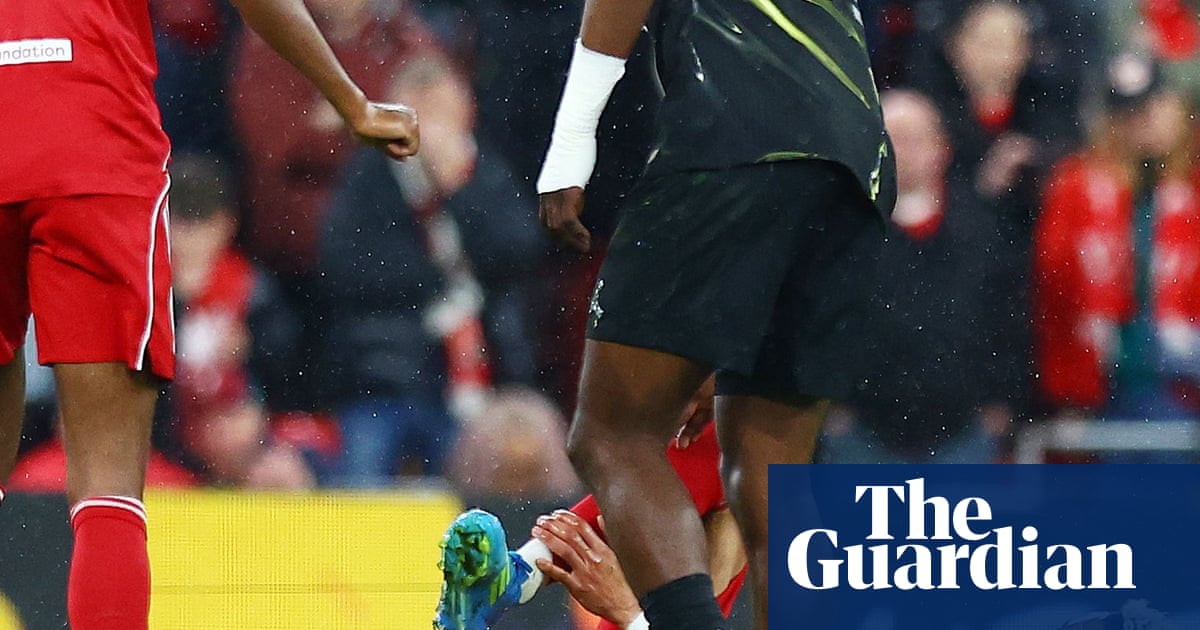
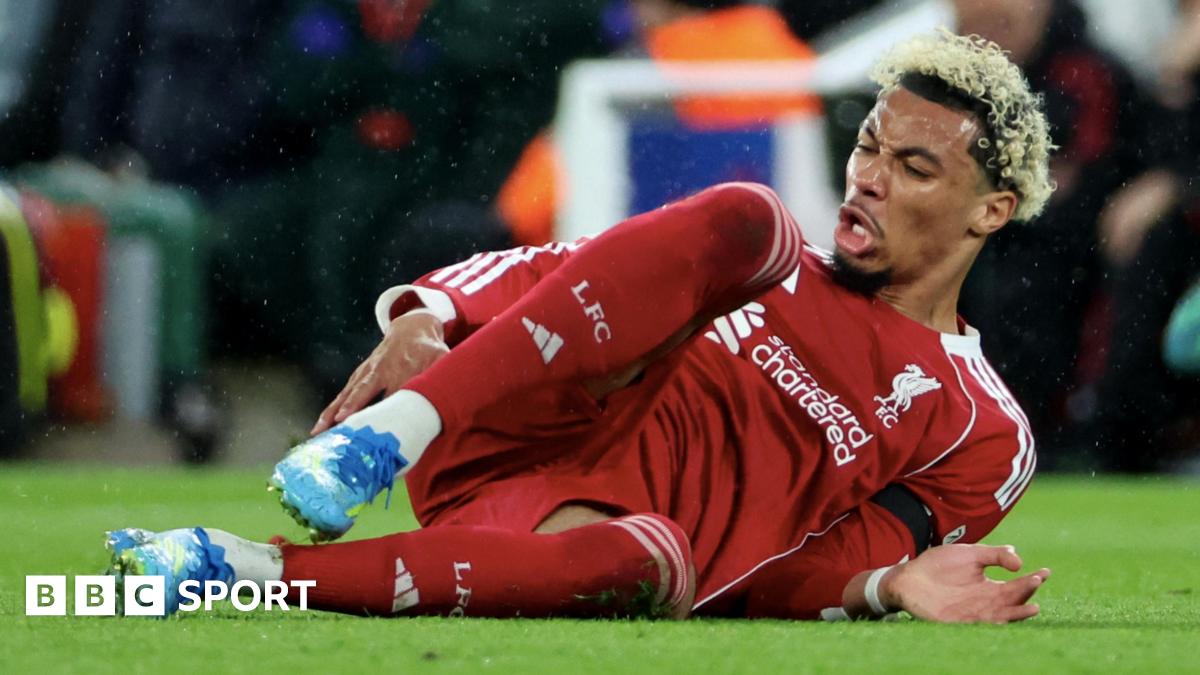
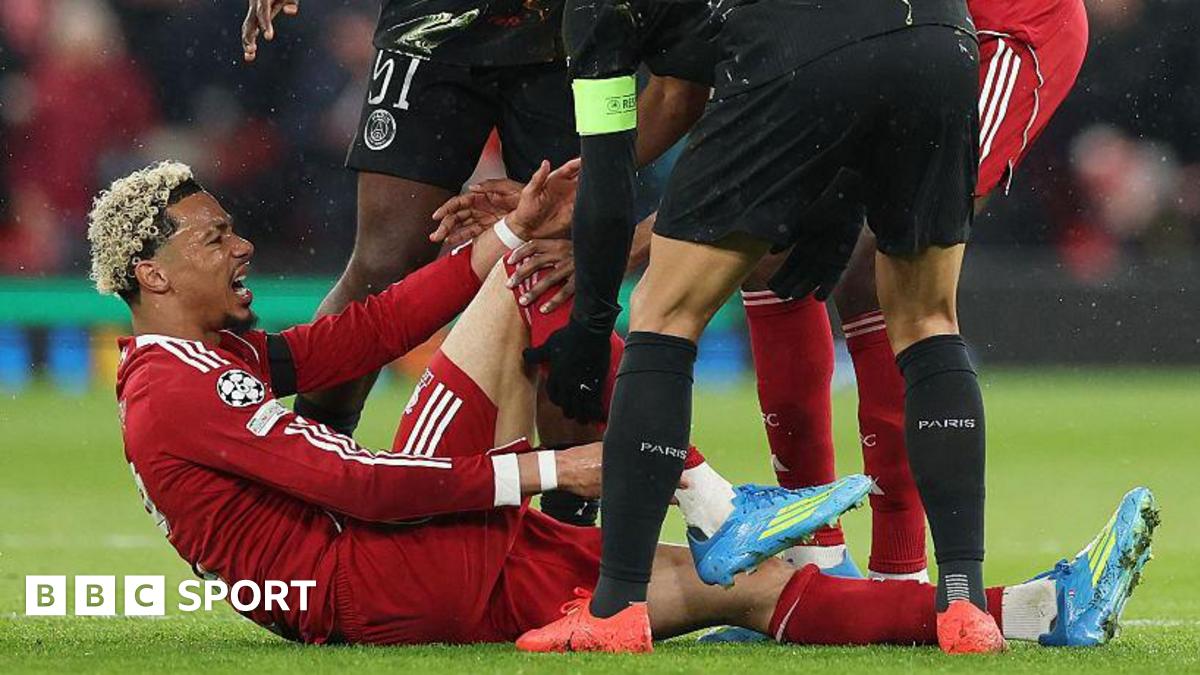
Liverpool’s exit from the Champions League on Tuesday night was compounded by a significant medical blow. Striker Hugo Ekitiké was stretchered off the Anfield pitch during the 0-2 defeat to Paris Saint-Germain, with manager Arne Slot describing the situation as "really bad" post-match.
Initial assessments point to a suspected Achilles injury, per reporting from The Guardian. While the club has yet to confirm the full grade of the tear or rupture through official imaging, the immediate reaction from teammates—specifically Ibrahima Konate—suggests the recovery period will be extensive.
Timeline and World Cup implications
Ekitiké now faces a race against time to feature in any official capacity before the summer break. With the FIFA World Cup kicking off on June 11, 2026, the timing of this injury puts his participation for France in serious jeopardy.
Team medical staff are expected to conduct secondary scans within the next 48 hours to determine the exact structural damage. If the injury involves a full rupture, standard recovery protocols necessitate a layoff ranging from six to nine months, effectively ending his domestic campaign and international hopes for the immediate future.
Strategic fallout for the Reds
This injury highlights a persistent volatility in the Liverpool front line during a season where they struggled to maintain scoring output. Slot had been juggling personnel throughout the tie, including a recent start for Alexander Isak, as the team sought to address gaps left by inconsistent form and injuries.
The loss of Ekitiké forces Slot to shuffle his attacking options once more during the final run-in. With the Champions League campaign over, internal discussions regarding the squad’s identity are intensifying, particularly with high-profile exits confirmed for the upcoming summer window.
Analysis: A season of missed chances
The 0-4 aggregate defeat to PSG reflects the lack of clinical edge Slot has lamented throughout the competition. Ekitiké’s departure left the side without a focal point during the second half, neutralizing the intensity the fans and players attempted to generate at Anfield.
As Slot noted, the team has faced a difficult run with officiating and physical health. However, the reliance on a single striker pivot proved fragile under the pressure of a high-stakes European knockout fixture. The strategic failure to secure a breakthrough in the first 45 minutes effectively left them chasing a game against a defensively disciplined PSG side.
Historical context and medical precedent
Achilles injuries have historically been the most difficult hurdles for professional forwards to overcome due to the demands of explosive acceleration. Clubs across Europe have seen similar timelines; returning too early often leads to compensatory soft tissue strains in the calves and hamstrings.
Liverpool’s backroom staff will likely prioritize long-term stability over a rushed return, especially given the density of the 2026 schedule. The club cannot afford another mismanaged rehabilitation, and the coming weeks will reveal if they have the depth to mitigate this loss while navigating the final league matches.
Read Next
- Hugo Ekitiké injury casts dark shadow over Liverpool's season exit
- Anfield's VAR meltdown exposes the absurdity of officiating
- Liverpool’s pursuit of Alexander Isak hits a wall after Anfield exit
- Arne Slot's Champions League exit confirms a tactical regression at Anfield
- ⭐ UCL 2026 — Champions League Quarter-Finals Hub