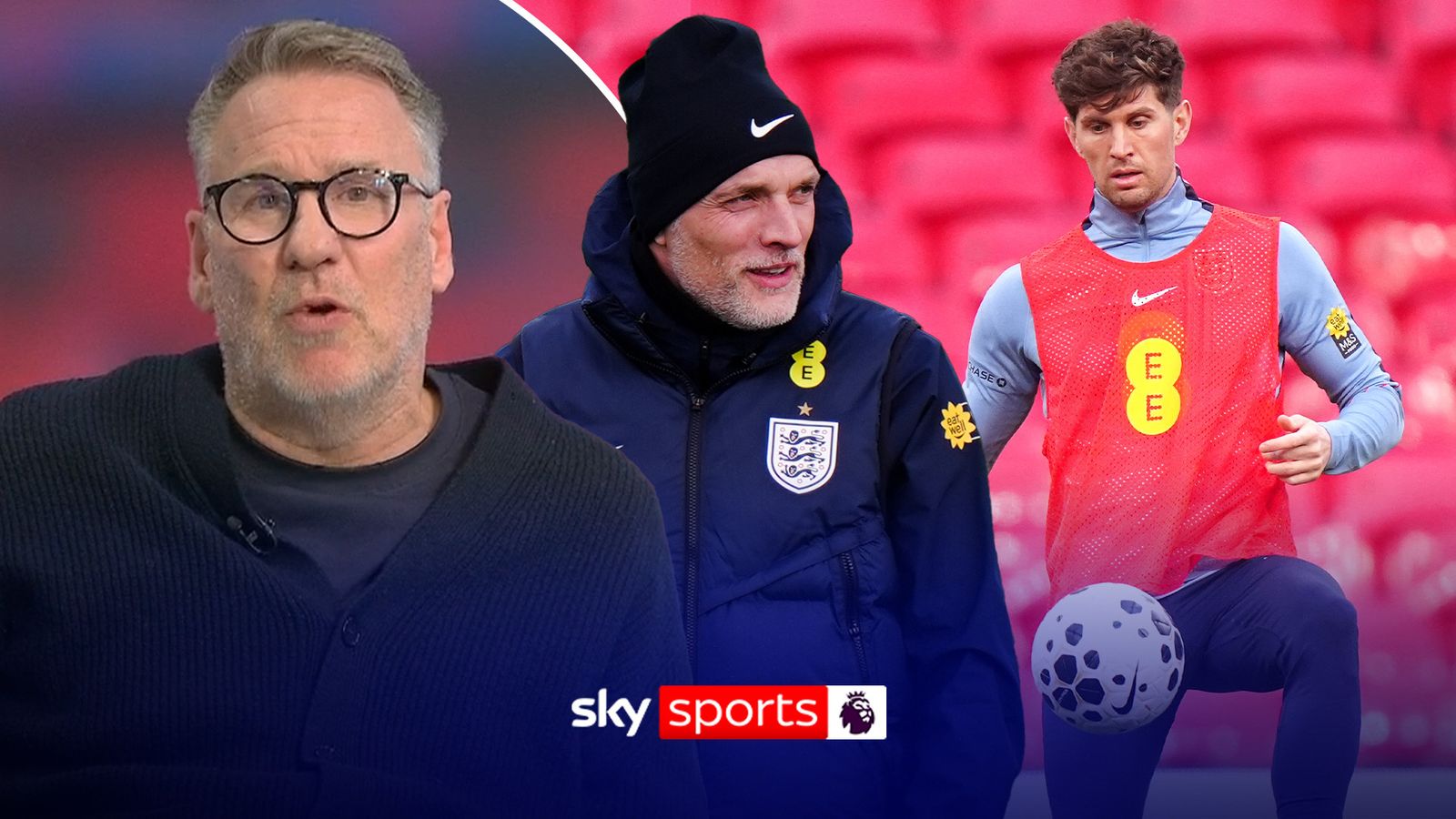
Stones sidelined for three weeks as England prepares for World Cup warmups
The Manchester City center-back is officially out of action. After pull-up during a Tuesday morning training session at St. George’s Park, medical scans confirmed a Grade 2 hamstring tear for John Stones. This isn't just a minor tweak; the FA medical staff has confirmed he will miss the next 21 days of competitive play.
England manager Lee Carsley now faces a immediate void in the heart of his defense. Stones has been the metronome for this backline since the 2018 cycle, and his absence at this stage of the preparation is a significant setback for a squad trying to find its rhythm. While Nike and England launched the 2026 kits today, the man often featured in the marketing won't be wearing them on the pitch for the upcoming friendlies.
Historical context and the recurring muscle issue
This is a familiar story for the 31-year-old defender. Stones has missed 14 matches for club and country over the last 18 months due to various soft-tissue issues. His history of hamstring and hip flexor problems is well-documented, often occurring during periods of high fixture density or international windows where travel is a factor.
Similar injuries have plagued players like Reece James and Luke Shaw, leading to extended periods of inconsistency. Medical experts suggest that once a Grade 2 tear occurs, the risk of reinjury in the first month back is as high as 25 percent. England's medical team is expected to take an ultra-conservative approach to ensure he is 100 percent fit for the summer tournament.
Tactical shifts and the search for a ball-playing replacement
Carsley’s tactical setup relies heavily on Stones' ability to step into midfield and create overloads. Without him, the burden of progression falls on Marc Guéhi and Ezri Konsa. While Guéhi is a reliable stopper, he does not possess the same vertical passing range that makes Stones the most unique asset in the English pool.
The coaching staff might be forced to revert to a more traditional back four rather than the hybrid system seen in recent outings. This change could also impact the midfield balance, as Declan Rice may need to drop deeper to collect the ball rather than pushing into the final third. It is a frustrating development for a team that finally looked to be evolving past the rigid structures of the Southgate era.
The timing is particularly poor given the opposition. England faces high-pressing sides in their next two fixtures, where composure on the ball is the first line of defense. Levi Colwill is the likely candidate to fill the gap, offering a left-footed option, but he lacks the veteran savvy required to organize the line during transitions.
The long-term outlook for the 2026 World Cup cycle
Stones is expected to return to individual training in mid-April. If his recovery stays on track, he should be available for Manchester City’s final push in the Premier League. However, the England staff will be watching his minutes closely to avoid another breakdown before the flight to North America.
Roster depth is now the primary concern for the FA. If Stones cannot maintain fitness, England is one injury away from a crisis at center-back. Harry Maguire remains in the periphery, but his lack of mobility at the highest level makes him a risky insurance policy. The next three weeks will be a trial by fire for the younger defenders looking to cement their place on the plane.
Read Next
- England's new World Cup kits are here, but the midfield is still a mess
- 4 Football Essentials Every Fan Actually Needs (And 0 That You Don't)
- Tottenham's injury crisis deepens as defensive instability persists
- Leicester City's survival hopes take another hit
- 🏆 World Cup 2026 — Full Coverage Hub
- 🏴 England World Cup 2026 — Three Lions Hub