The Captain's dream deferred again
Chelsea captain Reece James is facing the most agonizing layoff of his career after a Grade 3 hamstring tear has effectively ended his hopes of leading England into the 2026 World Cup. The defender, who was stretchered off in the closing stages of the season, received the news late on Monday night following a definitive MRI scan at the club’s Cobham training base.
The timing could not be more catastrophic for the 26-year-old. With the World Cup kickoff against the United States just 23 days away, James has been told he faces a minimum recovery period of eight to ten weeks. This latest blow marks the fourth significant muscle injury for James in the last two seasons, a pattern that is now raising existential questions about his long-term durability at the elite level.
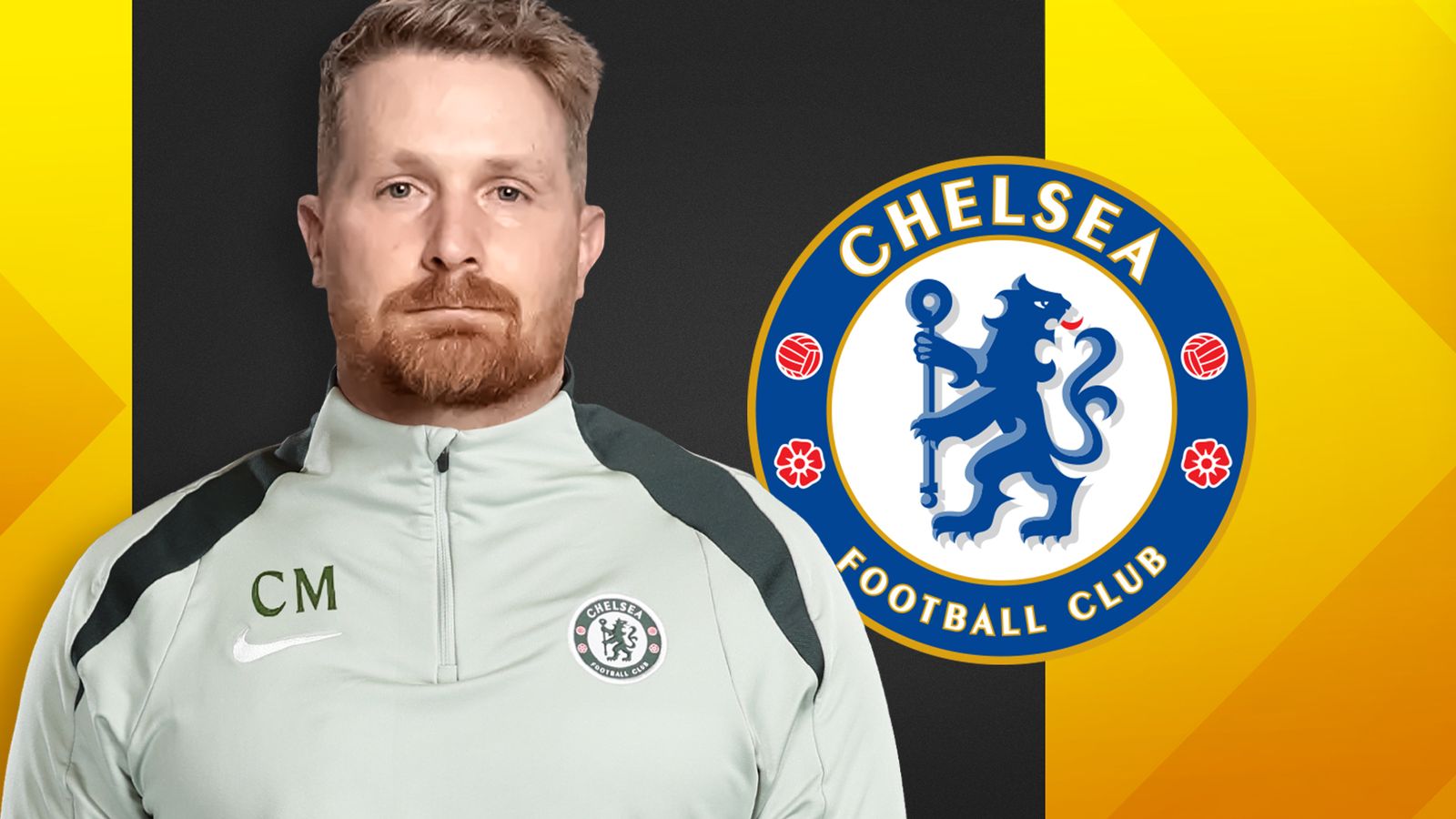
Interim manager Calum McFarlane, speaking ahead of Chelsea’s post-season debrief, didn't hide his frustration with the situation. The club has reportedly been managing James' load with extreme caution, yet the defender’s body has once again failed him at the worst possible moment. The atmosphere around the squad is described as somber, with teammates fully aware of the psychological toll this will take on their leader.
Tactical fallout for Southgate and McFarlane
England manager Gareth Southgate is now forced into a radical rethink of his defensive structure for the tournament in North America. James was widely considered the first-choice right-back, valued for his unique ability to transition from a traditional full-back role into an inverted midfielder. Without him, the tactical flexibility that Southgate spent months perfecting is suddenly compromised.
Reports suggest that Trent Alexander-Arnold and Kyle Walker will now battle for the starting spot, though neither offers the same physical profile as James. The medical team in the England camp has been in constant contact with Chelsea, but the verdict was unanimous: rushing him back would risk a career-threatening tendon rupture. The risk is simply too high for a player who has already spent over 300 days on the treatment table since 2024.
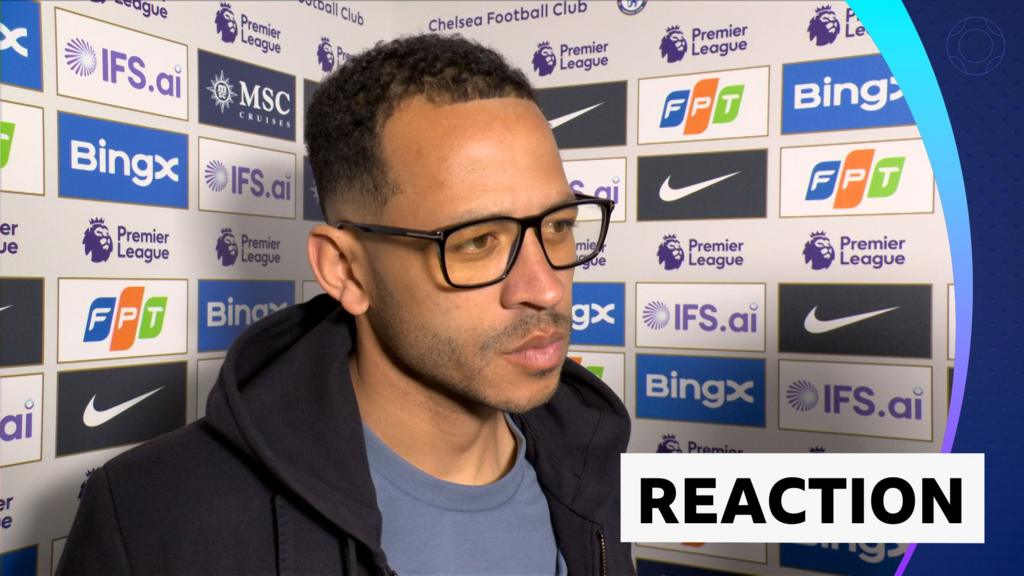
Chelsea’s own internal review has been brutal. There are whispers of a disconnect between the medical department and the coaching staff, with some suggesting James should never have been on the pitch for the full ninety minutes during the final weeks of the campaign. Under former coach Liam Rosenior, James was often substituted early to preserve his hamstrings, a protocol that seems to have slipped during the chaotic transition to McFarlane’s interim reign.
The shadow of financial pressure and club loyalty
This injury crisis comes at a time when Chelsea's management of its 'untouchable' stars is under intense scrutiny. As Mirror Football recently highlighted through a retrospective on Jason Cundy, the club has a history of making cold, financial decisions regarding fan favorites. Cundy famously stated he was 'living my dream' at the Bridge before being sold to Tottenham behind his back solely to balance the books.
"I was living my dream at Chelsea – then they sold me to Tottenham behind my back. It was a purely financial decision that left me reeling."
While James is under contract, the recurring nature of his injuries is forcing the board into an uncomfortable corner. With Xabi Alonso reportedly set to take over on July 1, the Spaniard will inherit a captain who is unavailable for his first pre-season. If Chelsea are forced to sell players to meet ever-tightening financial regulations, the 'injury-prone' tag attached to James could significantly diminish his market value while simultaneously making him a luxury the club can no longer afford to carry.
The Cundy comparison resonates deeply with a fanbase that is tired of seeing homegrown talent mismanaged. Whether it's through forced sales or medical oversight, the feeling that the club's hierarchy is disconnected from the players' well-being is a recurring theme. The board's failure to provide a stable medical infrastructure has now cost the club's most talented academy graduate a place on the world's biggest stage.
A broader crisis for the 48-team era
The James situation is a symptom of a much larger problem within the industry. As the 2026 World Cup expands to a 48-team format, the physical demands on elite players have reached a breaking point. We are seeing a spike in soft-tissue injuries across Europe's top five leagues as players are squeezed between an extended domestic season and a grueling international summer. James is merely the most high-profile victim of a calendar that prioritizes broadcast minutes over human sinew.
Competitors like Manchester City and Arsenal are watching closely. City, in particular, have managed to keep their core relatively healthy through a rotation policy that Chelsea has failed to replicate. The loss of James doesn't just hurt England; it hands a massive advantage to Chelsea's London rivals who will face a weakened Blues defense at the start of next season. The ripple effect will be felt across the Premier League table well into the autumn.
Strategically, Chelsea now must decide if they need to dip into the transfer market for a high-level replacement. Malo Gusto has performed admirably, but he lacks the captain's authority. The club cannot afford to start another season hoping that James’ body will suddenly hold up under the intensity of the Premier League. The 'wait and see' approach has failed three times already; a fourth failure would be a dereliction of duty by the sporting directors.
What comes next for Reece James?
The rehabilitation process will begin immediately, likely involving a specialist clinic in Qatar or the United States. James has shown remarkable resilience in the past, but the mental hurdle of missing a second consecutive major tournament through injury is immense. Sources close to the player say he is 'devastated' but remains committed to a full recovery, even if it means missing the first two months of the Xabi Alonso era.
The medical staff will target a return date in late July 2026, potentially allowing him to join the tail end of the club's pre-season tour. However, the days of James playing three games a week are likely over. The next permanent manager will have to accept a version of Reece James that is managed like an aging veteran, despite him being in the supposed prime of his career. It is a sobering reality for a player who, on his day, is arguably the best in the world in his position.
Ultimately, this is a failure of the system as much as a misfortune of the individual. Chelsea's medical department has been a revolving door of consultants and specialists, yet the results remain the same. Until the club addresses the root causes of their injury crisis—whether that's training intensity, recovery protocols, or recruitment profiles—they will continue to see their most valuable assets rotting in the stands while their rivals lift the trophies.
Read Next
- Xabi Alonso is walking into a Chelsea mess and he is already clearing house
- Xabi Alonso's Chelsea revolution is already tearing up the rulebook
- Why Thomas Tuchel and Mauricio Pochettino are having a terrible week
- The 2006 England squad was broken before they ever reached Germany
- 🏆 World Cup 2026 — Full Coverage Hub