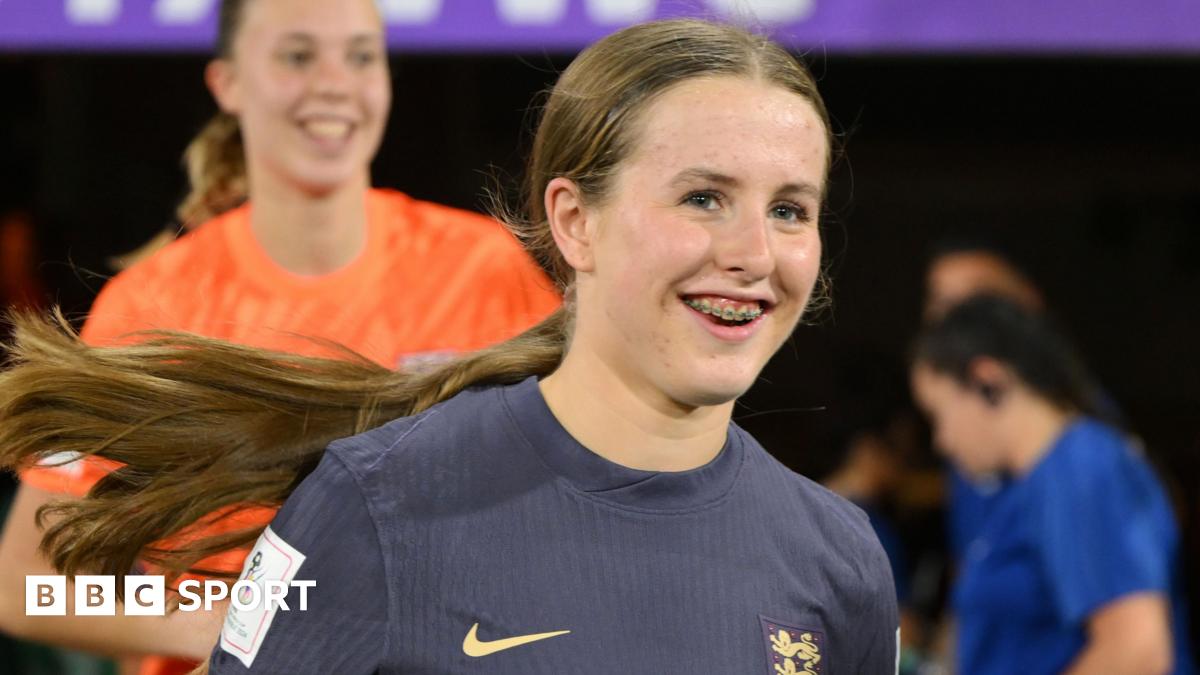
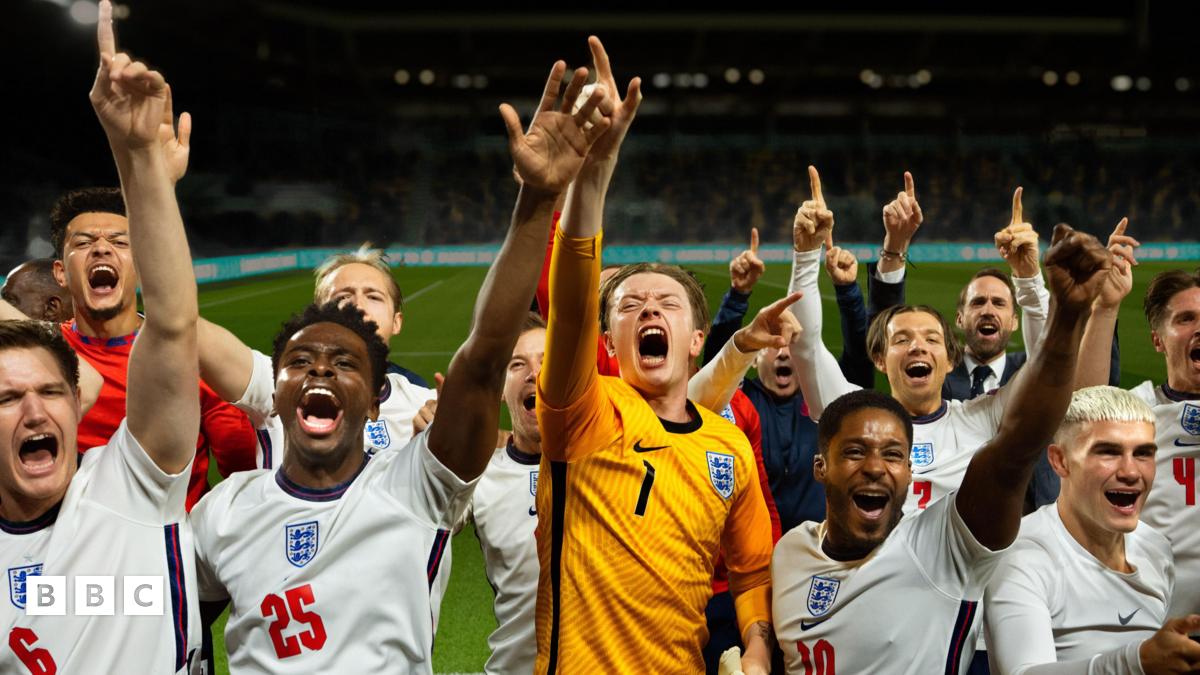
The hype machine is officially in motion. With exactly zero competitive minutes played in the new gear, the FA and Nike have dropped the latest iterations of the national uniform. It is white. It has some subtle trim. As the Mirror noted this morning, the 2026 World Cup home and away shirts go on sale today exclusively at two retailers. The commercial department has done its job.
Now, it is time to look at the actual football.
Because beneath the freshly pressed polyester, England are carrying the exact same tactical baggage that has derailed them in three consecutive tournaments. You can change the kit. You cannot hide the glaring structural deficit in the second phase of build-up.
The eternal double pivot dilemma
Let’s start with the most critical zone on the pitch: the base of the midfield. England's insistence on a 4-2-3-1 shape looks increasingly outdated against elite international pressing structures.
Declan Rice is a phenomenal destroyer. His ball-recovery metrics remain elite. But he is not, and never will be, a first-phase dictator. When opponents sit in a mid-block and force the ball wide, Rice struggles to receive the ball on the half-turn under pressure. The spacing between him and his midfield partner—whether it's Kobbie Mainoo, Trent Alexander-Arnold, or whoever is currently in favor—is consistently too vast.
This creates a U-shaped passing network. The ball goes from John Stones, to the right-back, back to Stones, over to Marc Guéhi, out to the left-back. It is safe, sterile possession. It looks like control. It is actually paralysis.
When a team like Spain or France jumps into a high press, England's deep midfielders drop too close to the center-backs. They compress the pitch themselves. The passing angles disappear, forcing Jordan Pickford into hitting low-percentage long balls toward a completely isolated forward line.
The Foden and Bellingham spacing disaster
Moving further up the pitch, the form guide over the last 18 months highlights a terrifying lack of attacking synergy. You have Phil Foden, arguably the best half-space operator in the Premier League, constantly stepping on Jude Bellingham's toes.
Bellingham is a singular talent. But his heat map for the national team is a problem. He operates as a 10, but he plays like a second striker who occasionally drops deep to demand the ball to feet. When he drops, Foden drifts inside from the left to occupy the vacated space. Suddenly, you have three players—Bellingham, Foden, and Harry Kane—occupying the exact same 15-yard radius in Zone 14.
It is incredibly easy to defend.
Opposing center-backs do not even need to step out. They just squeeze the space. England completely lack a runner who threatens the space in behind. Without a Bukayo Saka or an Anthony Gordon making aggressive, out-to-in diagonal runs, defenses simply push their line up and condense the play. England end up playing all of their football in front of the opposition.
Defensive line height and the Guéhi factor
If you want to win a World Cup in the modern era, you have to dominate territory. You cannot do that unless your center-backs are comfortable squeezing the pitch up to the halfway line.
John Stones is arguably the only English defender truly comfortable operating in this high-risk environment. Marc Guéhi had a solid Euro 2024, but his default instinct in transition is to drop. When the opposition turns the ball over, Guéhi backpedals to protect the space behind him. Stones, conditioned by Pep Guardiola, steps up to play offside or contest the immediate pass.
This staggered defensive line is a tactical nightmare. It creates an on-side pocket for opposition tens to receive the ball on the half-turn. Watch the tape against any top-tier European side over the last two years. The gap between the midfield pivot and the center-backs in defensive transition is where England bleed chances.
Key matchups on the horizon
As we look toward the immediate preparation friendlies and the Nations League fixtures, the key matchups are not about who England is playing. The matchups are internal.
It is Alexander-Arnold versus the concept of traditional full-back play. If he inverts, does the right-winger hold the width? If the winger cuts inside, who provides the overlap?
It is Harry Kane versus his own declining mobility. He cannot press from the front effectively anymore. If you play a high block, your number 9 has to set the trigger. Kane jogs. Opponents bypass the first line of pressure with a single line-breaking pass.
A critical lack of ruthlessness
The biggest flaw in this squad is not technical. It is tactical cowardice in crucial moments. When England take a lead, the defensive block drops 15 yards automatically. This isn't just a management issue; it is a learned behavior among the core group of players.
They stop taking risks in possession. The passing tempo drops. The wide players stop taking their full-backs on one-on-one. They invite pressure against teams that have nothing to lose.
You cannot win seven matches in a summer tournament by clinging to 1-0 leads for forty-five minutes. Eventually, someone hits a worldie, or a deflected cross finds the back of the net, and the panic sets in.
The final verdict
The FA can sell as many shirts as they want. The marketing will be flawless. The social media clips of training ground rondos will look incredibly slick.
But the football reality is stark. The team is unbalanced. The midfield lacks a metronome. The attack is congested. The pressing structure is disjointed and easily manipulated by anyone with a functional double pivot.
They will comfortably beat the lower-ranked teams in the group stages. They will look dominant against European minnows. But when they meet a team that can execute a coordinated high press and manipulate the space between the lines—a Spain, a Germany, or an Argentina—the structural cracks will shatter.
Prediction: England will look labored in the groups, scrape through the Round of 16 on individual brilliance, and suffer a decisive, tactically humiliating exit in the quarter-finals against a team that actually understands spatial dynamics.
Read Next
- England's backline takes a hit as John Stones exits camp with a hamstring tear
- 4 Football Essentials Every Fan Actually Needs (And 0 That You Don't)
- Nottingham Forest must prove the Spurs result wasn't a fluke
- Manchester City exposed Arsenal’s lack of depth in a clinical cup masterclass
- 🏆 World Cup 2026 — Full Coverage Hub
- 🏴 England World Cup 2026 — Three Lions Hub