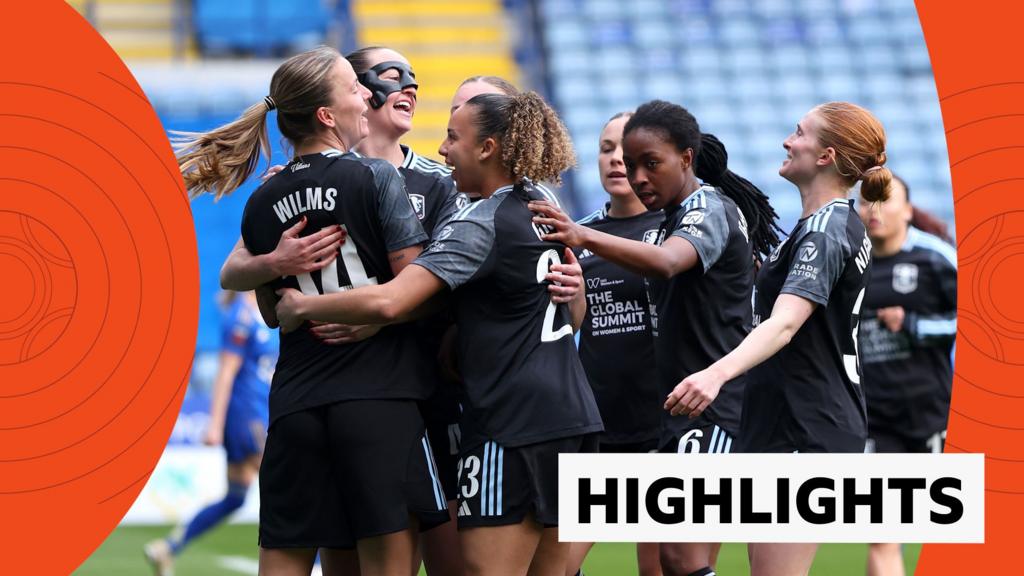
The Breaking Point in the Derby
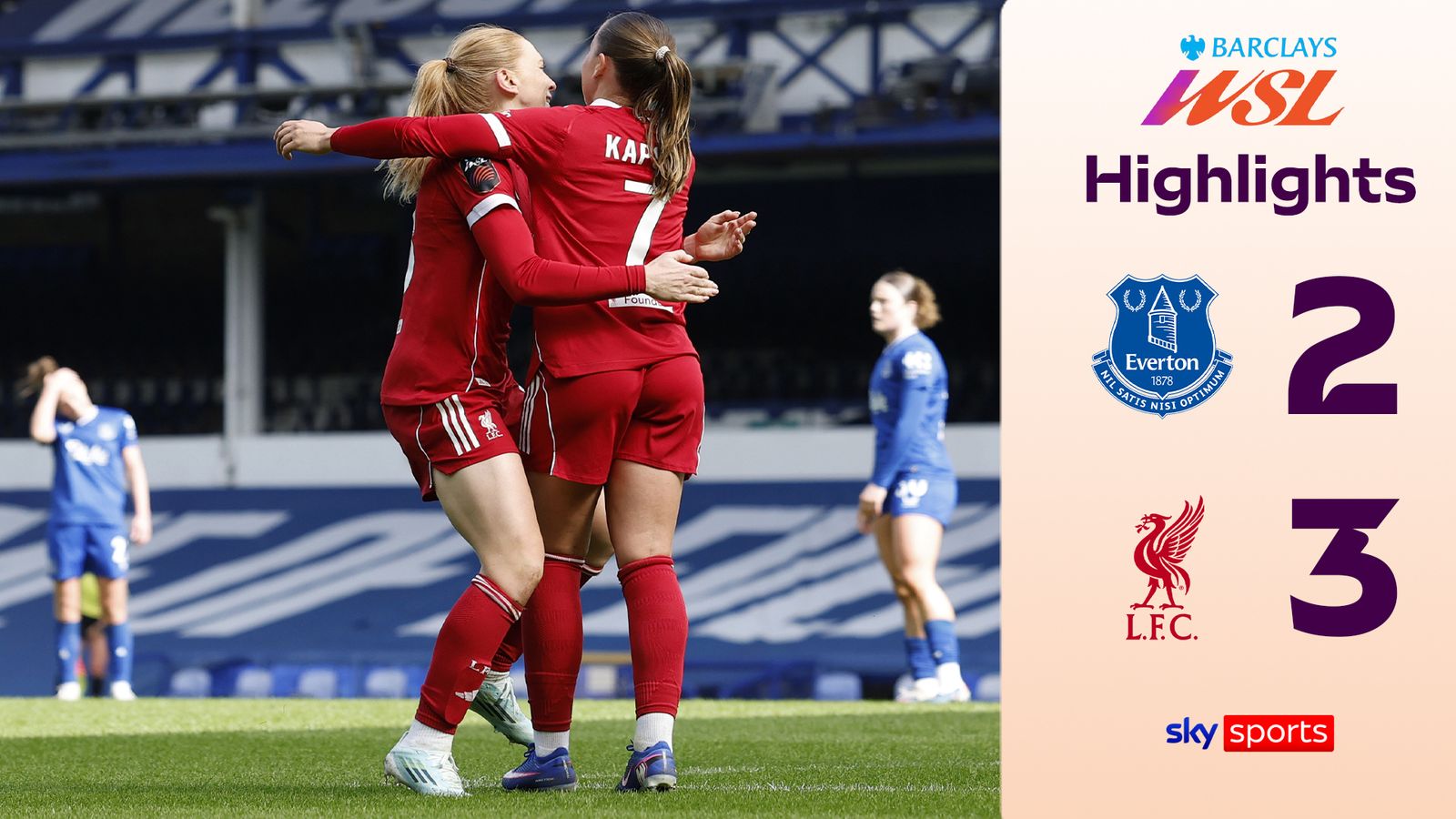
The Merseyside derby was supposed to be a closely contested battle. Instead, it was a procession. Liverpool did not just beat Everton; they dismantled them entirely. The final whistle brought relief to the home crowd, but the true damage was done long before the match concluded. The most devastating blow wasn't on the scoreboard. It was the sight of a starting Everton central defender clutching the back of her leg in the second half. While the club has yet to release her name officially pending a final medical assessment, the impact on the squad is immediate.
Everton's defense spent the entire afternoon chasing shadows. The live match coverage captured a relentless Liverpool high press and rapid transitions that forced the Toffees into a state of constant, desperate recovery. It is the exact scenario that pushes muscles far past their natural limits. When a defender is constantly turning, accelerating, and sprinting back toward their own goal, the physical load spikes exponentially. The legs get heavy, lactic acid builds, and muscle fibers begin to fray.
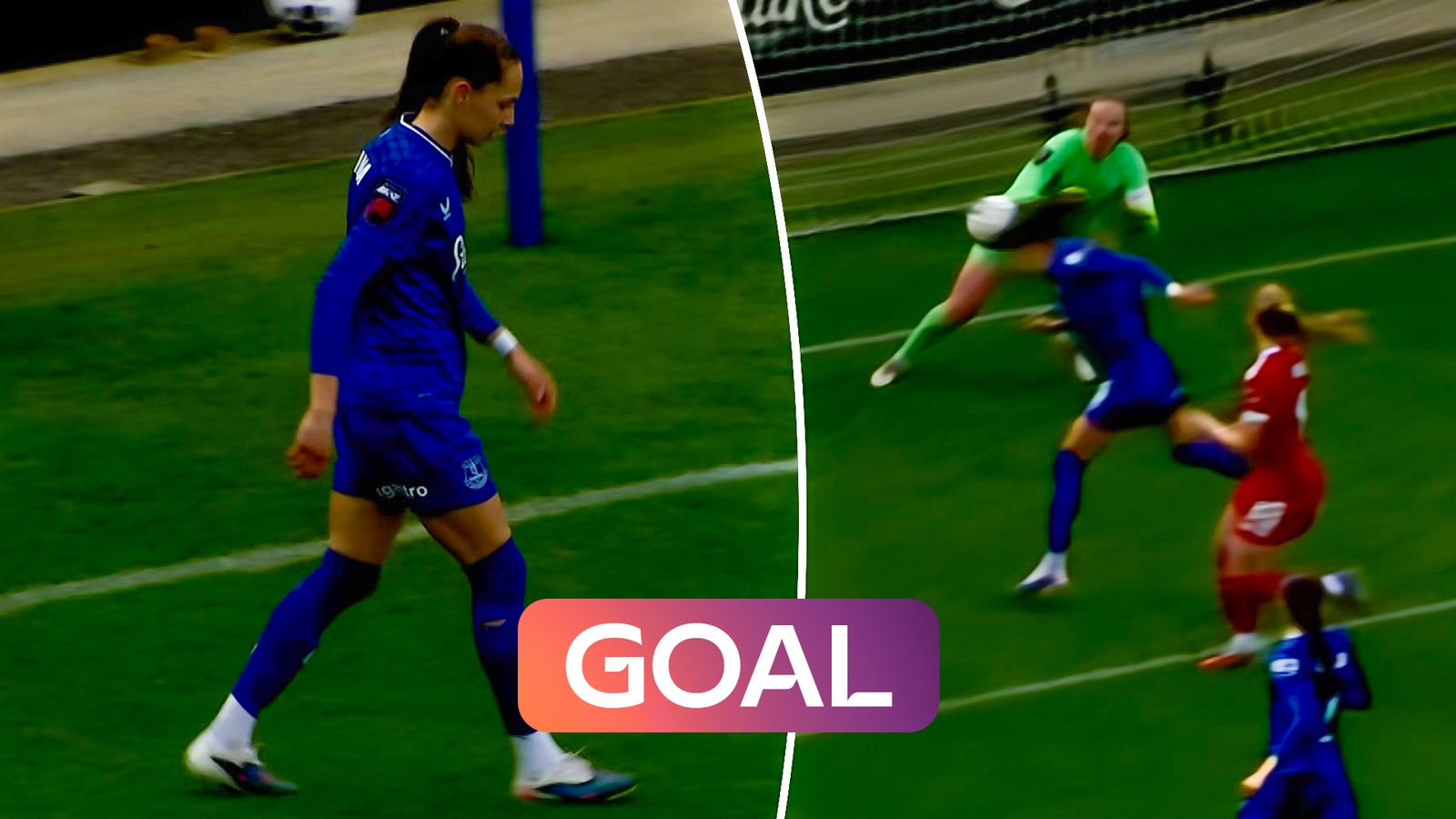
The injury occurred during a footrace that never should have happened. A poorly executed offside trap left the backline totally exposed. A perfectly weighted ball was played over the top by Liverpool's midfield. The sprint to recover was immediate and explosive. Suddenly, the deceleration was sharp and agonizing. The player pulled up instantly, grabbing the upper hamstring. Those are always the worst ones.
The medical staff were on the pitch within seconds. The player was helped off the field, completely unable to bear full weight on the injured leg. Now, the confirmation has arrived following an MRI. It is a Grade 2 hamstring tear. This is a complete disaster for an Everton side reeling from a humiliating defeat.
The Medical Reality of a Grade 2 Tear
A hamstring injury is the absolute bane of the modern footballer. The severity dictates everything. A Grade 1 is a minor pull, a slight overstretch that sidelines a player for a week. A Grade 3 is a complete rupture, often requiring surgery and months of grueling rehabilitation. A Grade 2 sits in the miserable, frustrating middle. It involves a partial tear of the muscle fibers.
The biceps femoris is usually the exact culprit in these high-speed running injuries. When a player sprints, the hamstring works eccentrically to slow the lower leg down before the foot strikes the ground. That is the exact moment of maximum tension. If the muscle is fatigued, the fibers literally snap under the immense load.
The timeline is unforgiving. A Grade 2 tear requires a minimum of four weeks of strict, conservative rehabilitation. Six weeks is the far more realistic target for a return to full match fitness. We are looking at an absence stretching through April and potentially deep into May. The player is going to miss a minimum of four key matches right when the season reaches its boiling point.
The recovery process is notoriously deceptive. The localized pain usually subsides relatively quickly, often tricking the athlete into thinking they are fully healed. But the scar tissue takes weeks to properly align and strengthen. Rushing the return is the cardinal sin of sports medicine. The reinjury rate for hamstrings is exceptionally high. If Everton panic and push for an early return to fix their defensive crisis, a four-week injury easily becomes a season-ending three-month nightmare.
Tactical Fallout and Exposed Flaws
Everton's tactical setup has to be severely questioned here. This injury did not happen in a vacuum. It was the direct, undeniable result of a system that left the central defenders totally exposed to Liverpool's pace. The manager failed to adjust the shape. Liverpool recognized the massive gaps between Everton's midfield and defense early on. They exploited it relentlessly, and Everton did nothing to stop the bleeding.
When a midfield fails to screen the backline, defenders are forced to cover impossible amounts of ground. They are making 30-yard sprints just to survive possession turnovers. You simply cannot ask a defense to operate in a state of sheer emergency for 90 minutes. Eventually, a muscle gives out under the strain. The coaching staff bears total responsibility for failing to drop the defensive line deeper when Liverpool started running riot.
Without their central anchor, Everton's defensive structure collapses. They lack the squad depth to slot in a like-for-like replacement. The remaining defenders will shuffle out of their natural positions to cover the gap. The April schedule is packed with fixtures against teams who love attacking the channels. Opposing managers will watch the tape and target the exact same spaces Liverpool did.
The loss of recovery pace is the immediate problem. A high defensive line is now off the table. Everton must drop deep, invite pressure, and survive in a low block. This fundamentally changes how they play the game. They cannot compress the pitch effectively.
The Rehabilitation Road Ahead
We have seen this exact scenario play out before in the WSL. When a team loses their defensive organizer to a muscle injury, the ensuing month is usually totally chaotic. Clean sheets become a luxury. Panic defending becomes the norm. The communication breaks down. The spacing is wrong. The backup players hesitate, and in this ruthless league, a fraction of a second is all it takes to concede a goal.
The medical staff must execute a flawless rehabilitation program. Week one is entirely about controlling inflammation with ice and compression. By week two, light isometric loading begins to lay the foundation for the repaired tissue. If rushed, scar tissue forms poorly, leaving a permanent weak spot. Week three introduces dynamic stretching and light jogging in a slow, methodical progression. The player spends hours doing isolated hamstring curls before ever touching a football. Week four is the absolute danger zone. The player feels fine and desperately wants to play. The medical staff has to hold them back.
The Final Verdict
Everton are entering a very dark tunnel. The extreme physical toll of the Merseyside derby has compounded the tactical humiliation they suffered on their own pitch. They were outplayed, outrun, and ultimately, broken down physically. The four-to-six-week timeline for this hamstring tear is a massive hurdle that threatens to derail their entire spring campaign.
There is no quick fix available on the transfer market. The manager must find a temporary solution to plug the gaping hole in the defense, while the medical team works quietly in the background to salvage the player's season. The margin for error is absolute zero. Another injury in that depleted backline, and the season spirals completely out of control.
For now, Everton fans have to watch the calendar with dread. April is going to be a long, deeply uncomfortable month. The squad depth is about to be tested in the harshest possible way. Liverpool took the points, but they also took a core piece of Everton's foundation, leaving a mess that will take weeks to clean up.