Liverpool run riot at Everton in a brutal lesson on away dominance
The Anatomy of a Demolition
You can hear a stadium deflate when a gameplan shatters inside the opening exchanges. The away end gets louder. The home fans murmur. The spaces on the pitch suddenly look terrifyingly large.
This Sunday afternoon, on March 29, Liverpool Women arrived at Everton and delivered a masterclass in structural suffocation. They did not just win. They ran riot.
The match reports will show Liverpool starting strongly, doubling their lead, and enjoying a dominant victory. But the raw text of a live blog rarely captures the violence of a high press functioning at maximum efficiency.
To understand how Liverpool dismantled their rivals, you have to look at the geometry of the pitch. When a team is running riot, it is rarely just about individual brilliance. It is about establishing numerical superiority in every single zone.
Starting strongly is not merely about possession. It is about territory. Liverpool immediately pushed the line of confrontation high into the Everton half, pinning the home side against their own penalty area.
Every clearance was quickly gathered by a Liverpool midfielder. Every attempted transition was snuffed out before it crossed the halfway line. It was a complete territorial lockout.
The Midfield Chokehold and Everton's Passivity
Dominance in the Women's Super League right now requires a meticulous rest-defence. You cannot commit players forward without a safety net. Liverpool demonstrated exactly how to lock a team into their own defensive third.
When their full-backs advanced, the central midfielders adjusted their positioning. This created an impenetrable barrier against the counter-attack. Everton wanted to build out and establish a rhythm, but every time a defender looked up, the passing lanes were already congested.
The wide players were pinned back. This effectively turned Everton's defensive shape into a flat, unworkable line across the edge of the box.
Here we must make a harsh observation about the home side. Everton were utterly passive. Derbies are supposed to be hostile, chaotic affairs where intensity bridges the gap in technical quality.
Yet Everton allowed Liverpool to dictate the terms of engagement from the very first whistle. They sat in a medium block that was too high to defend the penalty area and too deep to pressure the ball carrier.
This is the reality of facing a superior tactical setup. You do not just get beaten on the ball; you get beaten off it.
If your opponent is dominating possession, your only option is to disrupt their rhythm through physical intervention or rigid defensive coordination. Everton offered neither. They simply watched as a wave of red shirts crashed over them.
Coasting vs Running Riot
Look across the football pyramid today for a broader context. Down in League One, Reading were described as coasting while Stockport and Wycombe took early leads. These phrases reflect entirely different states of game management.
Coasting is a deliberate tactical choice. When Reading coasted, they dropped the tempo. They circulated the ball horizontally across the backline, inviting the press to exploit the space behind.
It is a controlled, low-energy dominance designed to kill the clock and frustrate the opposition. It requires technical security and a deep understanding of game state.
Running riot is the exact opposite. Liverpool did not drop the tempo when they doubled their lead. They accelerated. They smelled blood in a local derby and went for the throat.
This is the difference between a good team and a ruthless one. You do not let a wounded opponent breathe. You suffocate them until the final whistle.
The geometry of a riot means the opposition's defensive shape has completely disintegrated. Players stop tracking runners. Midfielders get caught ball-watching. The physical distance between the lines becomes massive.
Everton looked like a broken team stretched across the pitch. They were completely incapable of closing the gaps that Liverpool were exploiting with ruthless efficiency.
Exploiting the Half-Spaces
Tactical dominance is usually established in the half-spaces. This is the vital corridor between the opposition's full-back and center-back. It is the most dangerous zone on the pitch, and Liverpool attacked it relentlessly.
When you penetrate the half-space, you force the center-back to step out of the defensive line. This creates a domino effect. The entire backline has to shift laterally to cover the space.
If they shift too slowly, the cut-back to the penalty spot is wide open. Liverpool consistently generated these overloads, isolating Everton defenders and forcing them into impossible decisions.
Everton failed to defend these zones. Their midfield did not drop in to cover the half-spaces, leaving their backline horribly exposed. It was a structural failure from top to bottom.
Once the first line of pressure was broken, Liverpool had a free run at the penalty area. This highlights the psychological weight of the early goal. When you concede early, you are forced to open up.
You have to chase the game, abandoning the compact shape you worked on all week in training. Stockport demonstrated this in the EFL today; an early lead completely alters the tactical dynamic.
The Grit of the EFL
While the WSL derby captured the headlines, the brutal reality of game management was on full display across the EFL. Stockport taking an early lead is a tactical scenario that plays out every weekend. Yet it remains one of the hardest situations to manage effectively.
When you go 1-0 up inside the first twenty minutes in League One, the pressure shifts immediately to your center-backs. They are tasked with defending a lead against opponents who will increasingly resort to direct, vertical football.
Stockport had to manage the space behind their line, dealing with long diagonals and second balls. This is a completely different tactical challenge compared to Liverpool's high-possession dominance. It requires a grim, attritional mindset.
Wycombe, similarly, established themselves early. In these leagues, an early goal often dictates the substitution patterns for the rest of the match. The trailing manager is forced to throw on attacking players.
They sacrifice midfield stability for raw numbers in the final third. Wycombe's ability to navigate this chaotic game state speaks to a robust structural foundation. They absorbed the pressure without panicking.
The Psychological Weight of Possession
There is a psychological burden to chasing the ball for ninety minutes. When Liverpool established their dominance early, they were not just tiring Everton out physically. They were breaking them mentally.
Every time an Everton player finally won back possession, their heart rate was already maxed out. Their vision was narrowed by fatigue. They were incapable of making composed decisions on the ball.
This is why teams that run riot often score goals in quick succession. The cognitive load on the defending team becomes too great. A center-back who has spent ten minutes shuttling side-to-side will inevitably lose track of a runner.
Liverpool exploited this cognitive fatigue brilliantly. They increased the tempo exactly when Everton's concentration began to wane. You could see the structural collapse in real-time.
Liverpool did not need to reinvent the wheel. They just kept asking the same complex questions until Everton forgot the answers. A simple overlap on the right wing suddenly looked like an unsolvable mathematical equation.
The Mechanics of the Counter-Press
To truly appreciate what Liverpool achieved today, you have to look closely at their transition phases. The moment they lost the ball, they did not retreat. They initiated a furious counter-press.
The closest player immediately engaged the ball carrier. The next two players cut off the immediate passing angles. This aggressive posture forces the opposition into rushed, panicked clearances.
Everton never had the time to take a touch and look up. They were rushed into launching the ball aimlessly up the pitch. Liverpool's center-backs were waiting to sweep it up and restart the attack.
It creates a suffocating loop of pressure. Executing a counter-press like this requires immense physical conditioning and absolute tactical buy-in from the entire squad.
If one player is late to the press, the entire system breaks down. The opponent can then slice through the middle. Today, Liverpool's coordination was flawless.
They operated as a single, terrifyingly efficient organism. They constantly squeezed the pitch and denied Everton any oxygen.
The Cruelty of the Modern Game
The scoreline today reflects a brutal tactical reality. Everton were dismantled not by magic, but by mathematics. Liverpool constantly created three-versus-two situations on the flanks.
They overloaded one side of the pitch before switching the play rapidly to an isolated winger on the far side. This is modern football at its most ruthless. The margins for error are nonexistent.
If your pressing triggers are slightly off, you get carved open. If your midfield pivot fails to track a late runner, you concede. Everton were punished for every slight miscalculation.
Managing a lead in any division requires immense discipline. Wycombe know how to defend an advantage in League One. It is about managing the space behind your defensive line.
But Liverpool's performance was less about managing the game and more about ending it. They wanted to kill the contest before half-time.
Final Whistle Assessment
As we navigate the spring fixtures, these performances set a definitive benchmark. For Liverpool, this was a massive statement of intent. You do not simply walk into a local derby and dominate entirely without a deep tactical identity.
They look sharp. They look cohesive. They look incredibly dangerous as we push deeper into 2026.
For Everton, the post-mortem needs to be unflinching. Passive football gets heavily punished at this level. You cannot survive on good intentions or the emotional energy of a derby.
You need a system that functions under extreme pressure, and today, that system failed entirely. The difference between the two sides was not merely technical quality.
It was spatial awareness. Liverpool understood the pitch, manipulating the dimensions to suit their aggressive approach. Everton looked completely lost on it.
PUMA Orbita 6 MS Premier League Soccer Ball
The official look of the Premier League, ready for your weekend kickabout.
Frequently Asked Questions
Who did Liverpool Women play in their recent away WSL derby?
How did Liverpool Women defeat Everton in the WSL derby?
Why was Everton unable to build momentum against Liverpool?
What tactical strategy allowed Liverpool to run riot over Everton?
What was the main criticism of Everton's performance in the derby?
More Coverage

Canada's World Cup opener exposed their tactical fragility
4 hours agoCanada’s defensive shape is failing the litmus test against Bosnia
4 hours ago
Rangers gamble on Danny Rohl while Milan stalls in the boardroom
6 hours ago
Mohamed Salah and the silent erosion of Liverpool's precision
6 hours ago
Thomas Partey out for Ghana's opener poses a massive tactical headache
6 hours ago
Why the USA struggle in opening matches won't stop them this summer
9 hours agoMore Analysis
How Ceri Holland exploited Everton's fatal defensive flaws in derby demolition
2 months, 2 weeks agoMan City's derby demolition exposes United's tactical ceiling
2 months, 2 weeks ago
Holland's early penalty sets the tone as Liverpool dismantle Everton in WSL derby
2 months, 2 weeks ago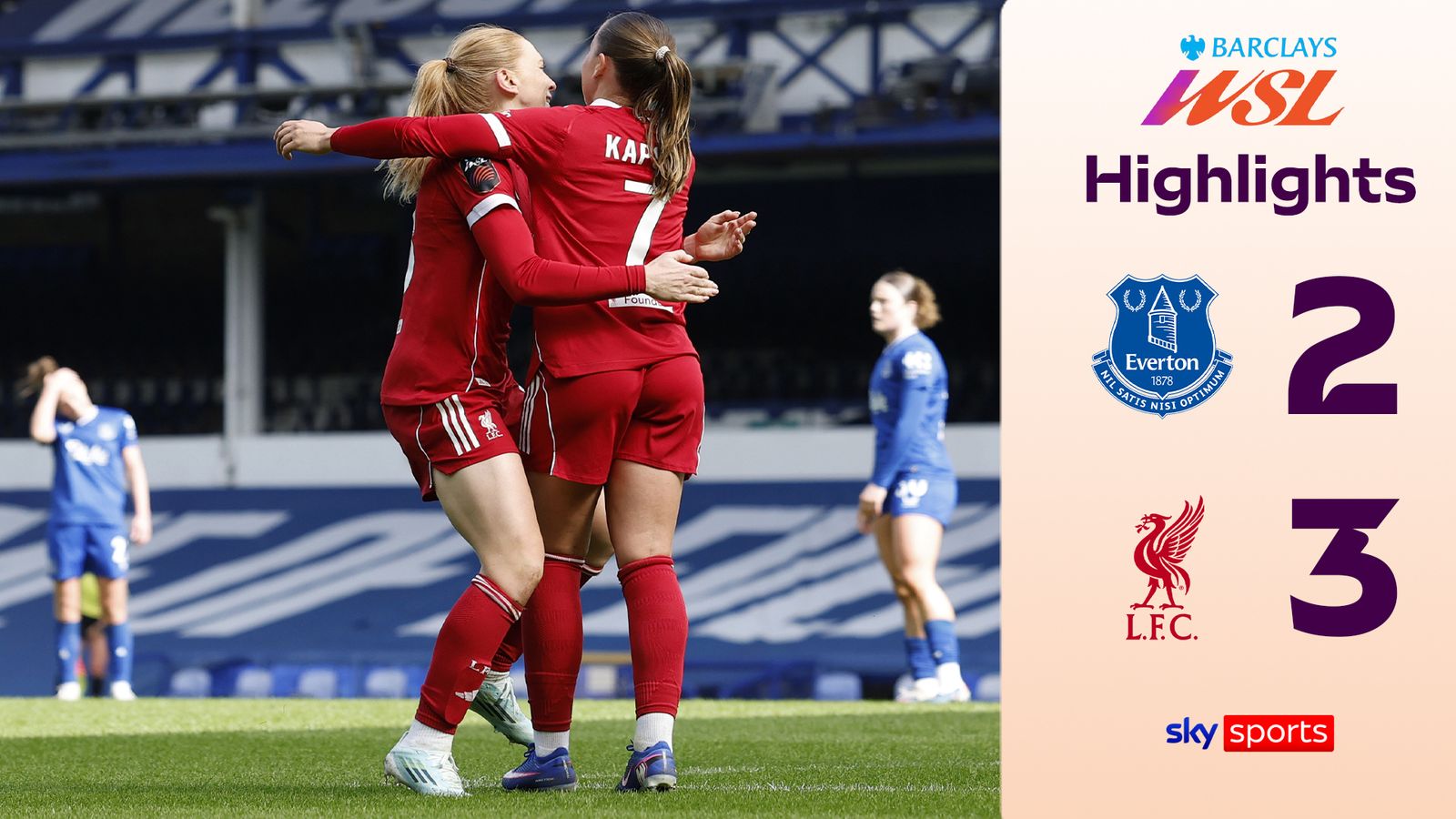
Liverpool's 10-player derby win is a fitness nightmare
2 months, 2 weeks ago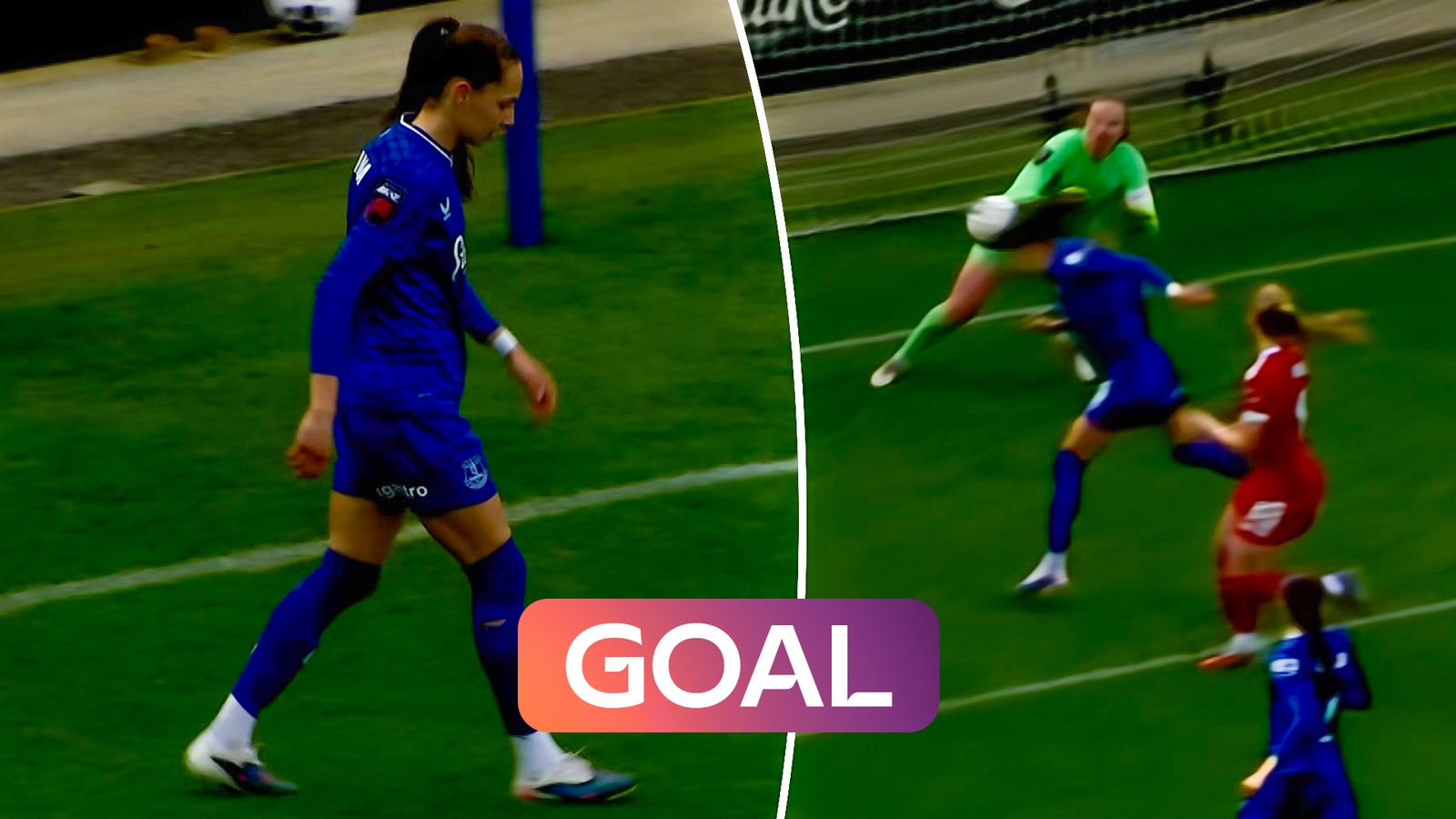
Everton's WSL derby nightmare just got worse with Fernandez's own goal
2 months, 2 weeks ago