Surviving the Derby
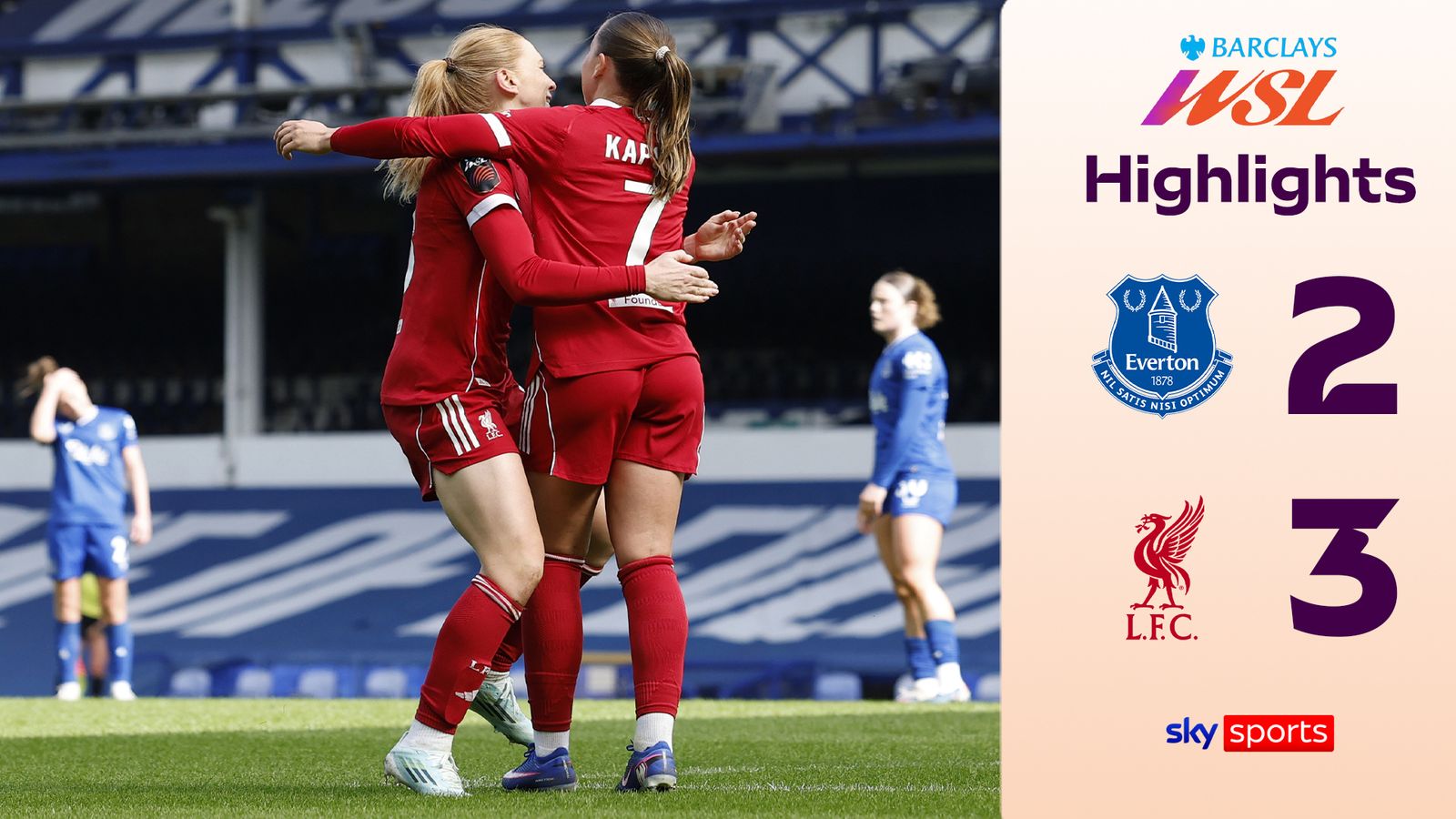
Liverpool Women secured their first away victory of the Women's Super League campaign in dramatic fashion. The 3-2 win over local rivals Everton at Goodison Park was a chaotic affair. Ceri Holland delivered a stunner to help secure the three points. But the headline of the afternoon was the fact that Liverpool spent a significant portion of the match down to ten players.
They held off a late Everton fightback to claim the triumph, as detailed in the Sky Sports match report. While the medical team has not yet reported a specific new injury to a starting player from the clash, the physical consequences of this victory will dominate the training ground this week. Playing a player down in a high-intensity derby creates a massive physiological debt. That debt always comes due. We are clearly stating the injury reality: the squad escaped Goodison Park without a diagnosed tear or fracture, but the accumulated fatigue acts as a systemic injury to the entire starting eleven.
The Anatomy of a Ten-Player Effort
When a team goes down to ten players, the tactical shape usually condenses. The remaining outfield players must suddenly cover roughly 11 percent more ground to maintain defensive solidity. This is not just jogging. The increase comes primarily in the form of high-speed running and intensive accelerations.
These are the explosive movements that tear muscle fibers. During a normal WSL match, a central midfielder might cover ten to eleven kilometers. In a ten-player scenario, the remaining midfielders are forced to close down spaces out of possession repeatedly. This leads to a massive spike in lactic acid accumulation. The muscles reach fatigue failure thresholds much faster.
Ceri Holland’s stunner, for example, required a massive burst of anaerobic energy. Scoring a goal of that magnitude while already managing the physical deficit of a missing teammate requires an elite physical baseline. But pulling off that kind of dynamic action late in a match drains the final reserves of glycogen from the leg muscles. The tank is completely empty when the final whistle blows.
Hamstrings and Calves on the Brink
The primary medical concern following a match like the Goodison Park victory is not contact injuries, but soft tissue trauma. The hamstrings and calves are under immense strain when players are forced into continuous high-speed defensive recoveries.
Fatigue alters running mechanics. When a player is exhausted, their stride changes slightly. The hamstrings have to absorb more eccentric force during the braking phase of a sprint. This is exactly when micro-tears turn into Grade 1 or Grade 2 strains.
A Grade 1 strain typically sidelines a player for one to three weeks. A Grade 2 tear can mean a month or more in the treatment room. The Liverpool fitness staff will be monitoring creatine kinase levels in the blood over the next 48 hours. Elevated levels indicate severe muscle damage.
Historical Context and Attrition
We have seen this pattern before across the WSL and European football. A team secures a heroic victory with a numerical disadvantage, only to lose two or three key players to muscle injuries in the subsequent fortnight. The immediate adrenaline of the derby masks the muscle damage.
The real danger period is the next match. Players who pushed themselves to the limit at Goodison Park will carry latent fatigue into the next fixture. Even with advanced recovery protocols like cryotherapy, compression garments, and targeted nutrition, the human body requires time to rebuild torn muscle fibers. If the manager rotates poorly in the upcoming week, the injury list will grow rapidly.
Consider past seasons where title-chasing teams suffered a red card in a high-intensity derby. The immediate result was celebrated. But the following month saw a cascade of hamstring strains. The medical data is clear on this phenomenon. The acute spike in workload directly correlates with a higher probability of non-contact injuries within a 14-day window.
The Absence and the Ripple Effect
Even without a new injury to report, the suspension stemming from the red card acts functionally like a short-term injury. The missing player leaves a void in the starting eleven. This forces the coaching staff to reshuffle the deck.
The player stepping into the lineup will suddenly face a 90-minute physical demand they may not be prepared for. If a bench player has only been receiving 15-minute cameos, throwing them into a high-stakes WSL clash is a medical gamble. Their muscles are not conditioned for the sustained intensity.
This creates a dangerous ripple effect. The team survives the derby with ten players, but the subsequent lineup changes increase the injury risk across the entire squad. The medical team will be begging the manager to manage minutes ruthlessly in the coming weeks.
Recovery Timelines and The Medical Protocol
The timeline for recovery from a 10-player match is distinct from a standard recovery cycle. Day one post-match is strictly active recovery. Players will spend time in the pool or on stationary bikes to flush out the severe lactic acid buildup.
Day two, traditionally a rest day, will involve deep tissue assessment and ultrasound scanning for any players reporting tightness. The medical staff must make brutal decisions. A player reporting a tight calf cannot be risked in the next training session.
The short-term impact is a disrupted training week. Tactical preparation is sacrificed for physical preservation. In the long-term, managing the load from this single match could dictate availability for the next month. The immediate lack of confirmed injuries is a positive sign. However, the true medical fallout of the Goodison Park triumph will only become clear when the squad takes the pitch for their next warmup.
The sports science department will rely heavily on GPS tracking data from the match to identify which players spent the most time in the red zone of maximum heart rate. Those individuals will require a tailored, reduced-load program.
The Manager's Selection Dilemma
The upcoming fixtures present a nightmare scenario for the coaching staff. Following a physically draining derby, standard procedure dictates heavy rotation. The manager needs to protect the core group of players who logged 90 minutes of high-stress football at Goodison Park. But the WSL is unforgiving. Dropping points in the next match negates the hard work done against Everton.
If the manager chooses to stick with the same starting eleven, the risk of a catastrophic knee injury or a severe hamstring tear multiplies exponentially. Muscle fatigue directly impacts joint stability. When the stabilizing muscles around the knee are exhausted, the ligaments are forced to absorb sudden directional changes. This is the exact mechanism that leads to ACL ruptures.
The medical team will present the data. The manager must make the call. The tension between medical advice and competitive necessity is the defining dynamic of the week. Winning the Merseyside derby feels great on Sunday. Paying for it with a season-ending injury on Wednesday is the nightmare scenario.
The Negative Reality of a Heroic Win
There is always a negative observation to be made after a match like this. The fact that Liverpool allowed Everton back into the game late shows a severe drop in concentration. Fatigue makes cowards of us all. The late fightback by Everton, highlighted in the BBC Sport highlights, exposes the vulnerability of a tired defensive unit.
Late goals conceded are often a direct result of mental exhaustion rather than physical inability. A center-back reacting a split-second too late to a cross. A midfielder failing to track a late runner into the box. These are symptoms of a drained team.
Liverpool survived this time. They won 3-2. But relying on pure survival instinct is an unsustainable tactical model. The medical team will be working overtime to ensure the Goodison Park victory does not become a pyrrhic one.