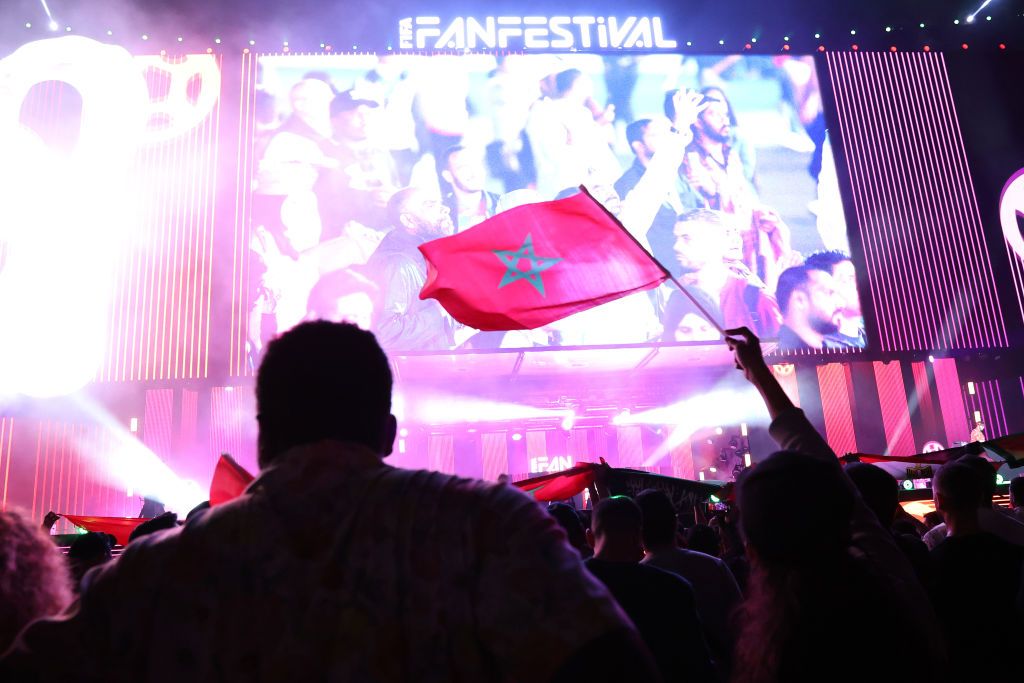
FIFA's hydration flip-flop exposes North American logistics chaos

FIFA's logistical failure at the gates
We are five days away from the 2026 World Cup kickoff, and FIFA is already treating the rulebook like a rough draft. The decision to walk back the ban on plastic water bottles is a humiliating admission that governing bodies are fundamentally disconnected from the practical realities of hosting tournaments in North American venues. A stadium is not a private suite in Zurich, and the arrogance required to assume fans would navigate summer heat without access to basic hydration is staggering.
The reversal, which now permits a single 20-ounce sealed container per attendee, comes after a sustained wave of criticism that even reached 10 Downing Street. Watching Keir Starmer weigh in on stadium hydration policies should serve as a wake-up call for the organizing committee. When the Prime Minister of a participating nation feels compelled to publicly call out FIFA’s earlier policy shift, it is a sign that the arrogance of the bureaucracy has finally hit a breaking point.
The cost of disconnected governance
This is not merely about water; it is about the broader disconnect between venue management and the fan experience. International tournaments often treat the spectator as an obstacle to be processed rather than a participant in the event. We saw this in the recent Wales women’s team narrative where structural tactical failures ruined the game plan against Montenegro; incompetence at the administrative level often bleeds into the emotional investment of the audience.
If FIFA cannot manage a simple threshold for container volume without triggering international diplomatic friction, one wonders about the communication channels for genuine operational hurdles. Transport, localized security, and fan zones are significantly more complex than allowing a plastic bottle through a metal detector. The internal culture at FIFA appears to operate in a vacuum, ignoring feedback until the pressure reaches a boiling point.
Tactical incompetence off the pitch
The timing here is the most damning component. With the opener approaching on June 11, the technical teams in host cities should be focusing on pitch conditions and broadcasting integrity. Instead, resources were likely diverted to address a manufactured crisis regarding prohibited items. It is effectively a self-inflicted tactical error, much like a manager burning through all substitutions before the hour mark in a high-stakes fixture.
This flip-flop follows the broader trend of isolation that has defined Thomas Tuchel’s approach to the England camp. As we discussed regarding the transfer window ticking time bomb, there is a tendency for control-freak executives to ignore external variables. Tuchel insists on locking down transfer activity during the World Cup, yet the board struggles to manage basic water access. It is symptomatic of a disconnect between those in authority and the people actually affected by their mandates.
The danger of policy whiplash
- June 6: Policy reversed to allow 20-ounce sealed bottles.
- Pre-June 6: Blanket ban caused fan outrage and political pressure.
- June 11: World Cup begins with logistics already under scrutiny.
We should expect more of this administrative volatility as the tournament intensifies. When an organization treats rules as suggestions to be toggled based on Twitter sentiment or political outcry, they lose the authority required to secure a massive environment like the 2026 World Cup. The fans are paying for the privilege of attendance, not for the experience of navigating the unpredictable whims of an out-of-touch committee.
Amazon Fire TV Stick 4K, support for Dolby Vision, Wi-Fi 6, includes Alexa Voice Remote
Turn your TV into a Premier League headquarters.
Frequently Asked Questions
What is the new FIFA policy regarding water bottles at 2026 World Cup matches?
Why did FIFA decide to change its stadium hydration policy?
When does the 2026 World Cup tournament begin?
How does the author characterize FIFA's management of the tournament?
What concerns does the author have about FIFA’s internal communication?
More Coverage
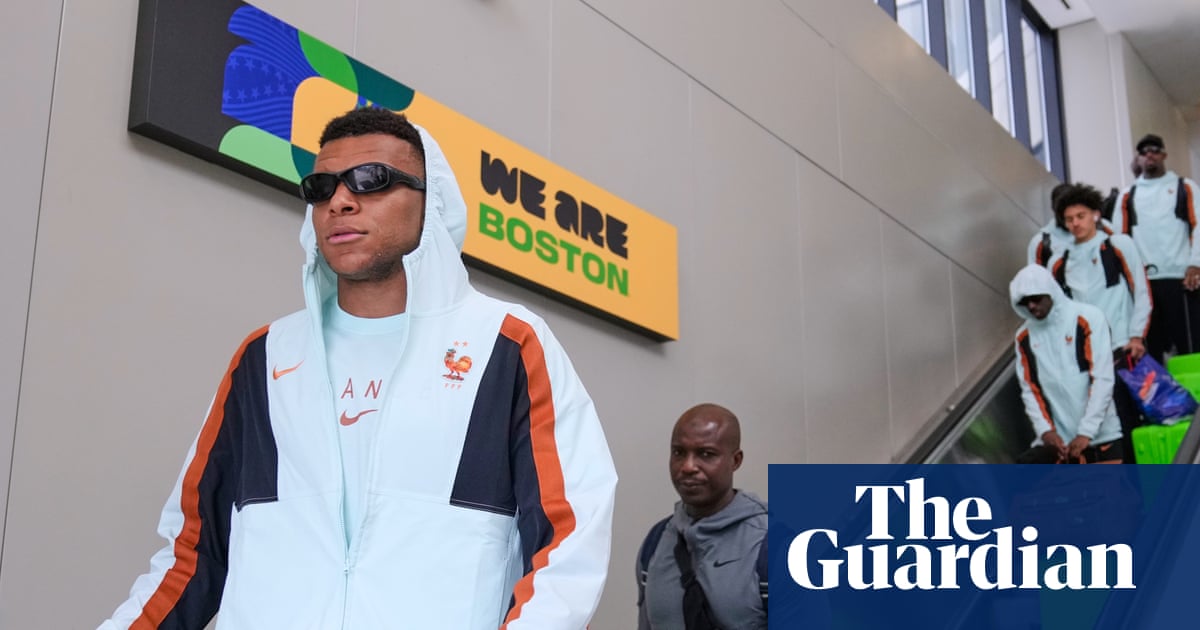
FIFA World Cup 2026: The injury report early in tournament play
2 hours ago
Michael Oliver benched before he even blows a whistle
4 hours ago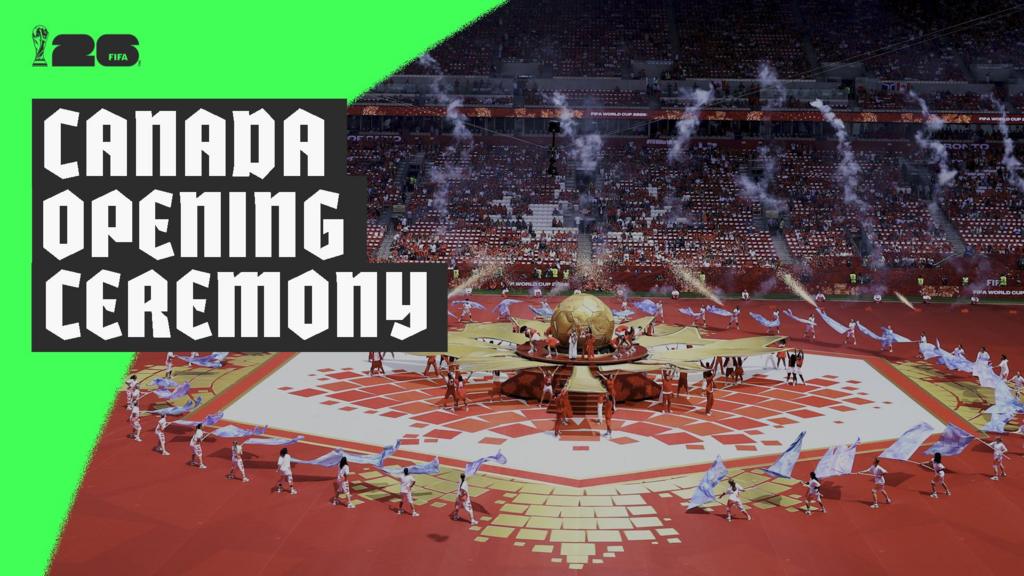
Michael Buble opening a World Cup tournament is the peak surreal sports moment
7 hours ago
Why the Azteca renaming signals a shift in World Cup identity
12 hours ago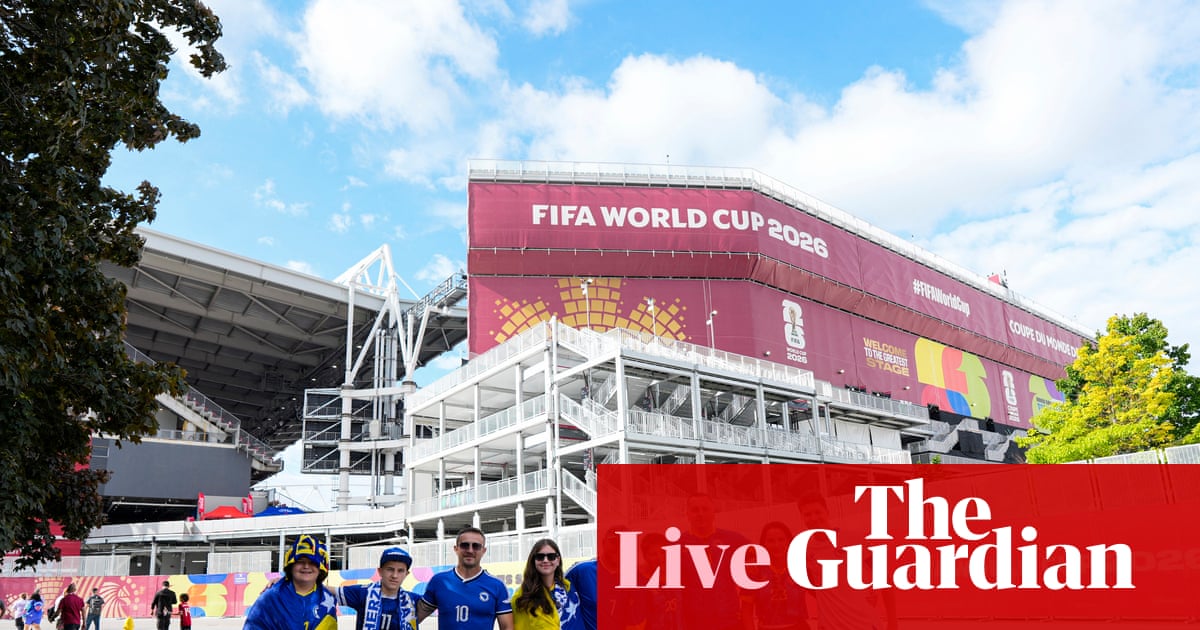
World Cup 2026 is already showing its ugly side
12 hours ago
Hosting the 2026 World Cup is a logistical gamble for FIFA
15 hours agoMore Analysis

FIFA's hydration hypocrisy is a tactical blunder for the 2026 World Cup
1 week, 1 day ago
FIFA is jeopardizing fan safety for a logistical headache
1 week, 1 day ago
World Cup 2026 is shaping up to be a logistical nightmare for fans
2 months ago
FIFA’s reusable bottle ban is a disaster for World Cup fans
1 week, 1 day ago
FIFA's hydration policy for the World Cup is a dehydration disaster
1 week, 1 day ago