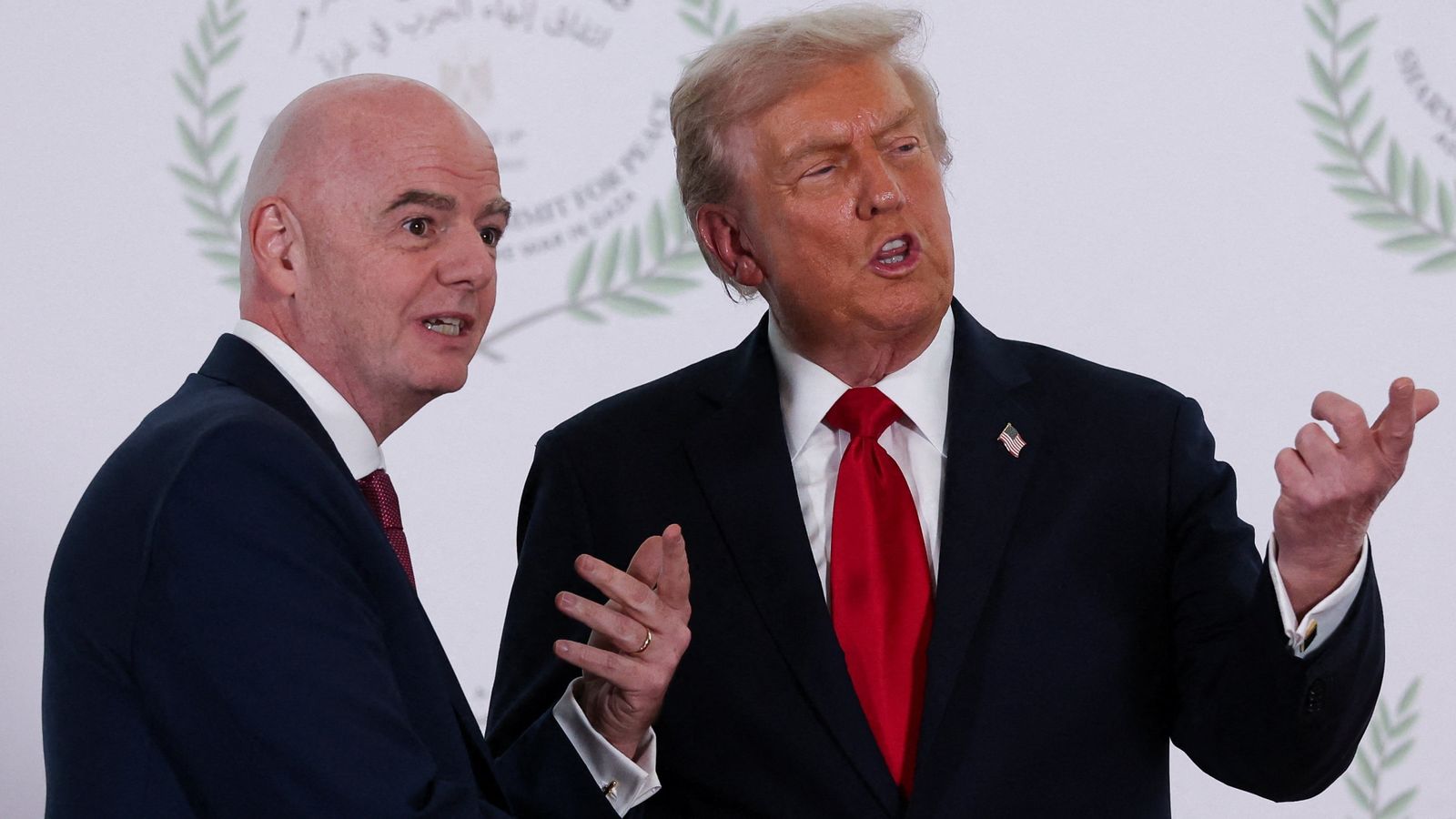
Iran’s visa crisis proves the World Cup is already stumbling
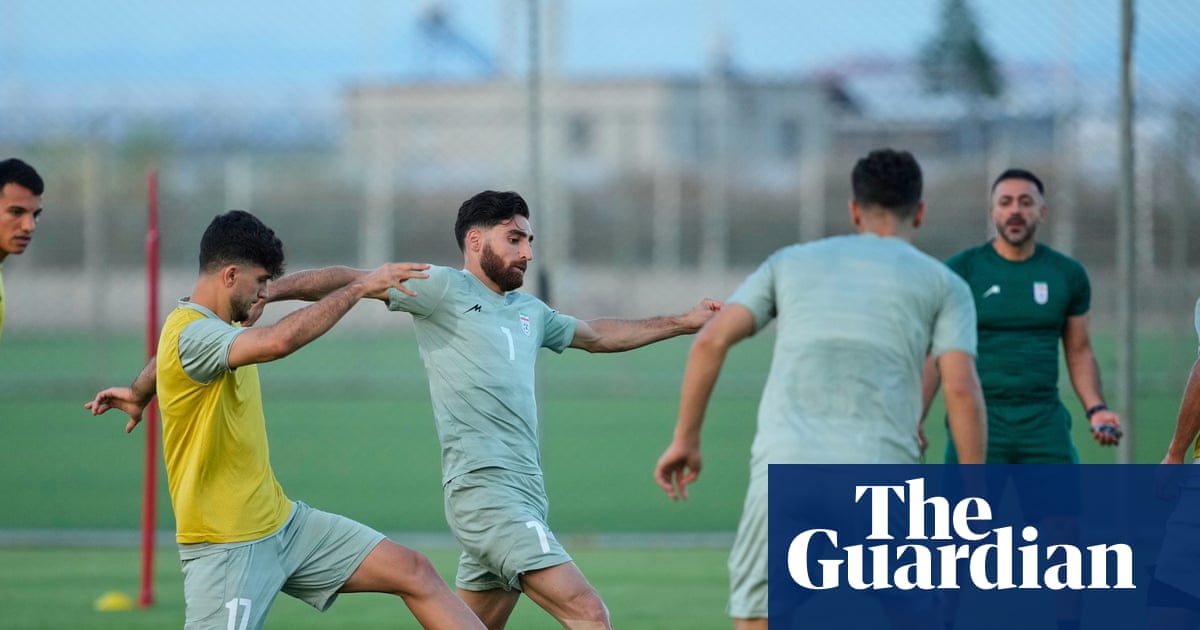
Diplomatic friction meets the pitch
With the 2026 World Cup kickoff scheduled for June 11, the tournament is already bleeding into the messy reality of international relations. The Iranian national team’s decision to abandon their planned training base in Arizona for a new facility in Mexico is not merely a logistical pivot; it is a clear symptom of a tournament hosted by a nation with a restrictive immigration policy.
As reported by The Guardian, the Iranian FA has publicly blasted the United States for the discriminatory treatment of its delegation. Crucially, visas were denied to essential backroom staff members, stripping the head coach of the professional support required to manage modern international football.
The logistical collapse in Arizona
Training base selection is the hidden engine of a successful World Cup campaign. Coaches select locations based on climate, proximity to match venues, and, most importantly, the ability to replicate tournament conditions without distraction. When the Iranian staff were unable to secure entry to the United States, they lost months of preparation time.
Instead of acclimating to the specific atmospheric humidity of their group stage cities, Iran’s players are now scrambling to re-center their operation in Mexico. This displacement is a massive disadvantage. Transitioning a squad of 26 players and their associated performance analysts across a border days before a tournament begins is a nightmare for tactical cohesion.
A pattern of administrative failure
This is not an isolated bureaucratic hiccup. It is a fundamental friction point for a tournament spanning three nations. If a co-host cannot guarantee the seamless entry of team officials—the very people who are meant to be the stakeholders of this spectacle—then the organizational claims of the hosting committee start to sound hollow.
The sporting integrity of the competition relies on a level playing field. If one side enters the opening match with their data scientists, physiotherapists, and tactical analysts stranded in limbo, the match itself is compromised before the first whistle. FIFA has spent years touting the inclusivity of the 2026 expansion, yet they have failed to clear the path for the primary participants.
The cost of the oversight
We need to look at the numbers: a modern international setup requires a high ratio of support staff to talent. This often reaches a 1:1 ratio during high-intensity tournament windows. By denying entry to these critical workers, the US authorities have effectively lobotomized Iran’s preparation phase.
The optics are equally damaging. The image of a national team forced into exile in a neighboring country just because the host nation refused to play ball creates a defensive, bunker mentality. Football managers thrive on control; losing control of your training environment at this juncture is a catastrophic failure of event management.
The tournament hierarchy must address this urgently. If the host nation cannot accommodate the basic travel requirements of international athletes and their professional support staff, the integrity of the 48-team structure becomes secondary to the fragility of the host’s entry policies. We are five days from kickoff, and the most important story is not the formation shifts or the expected starting 11s, but the fact that a major contender is playing from a position of profound institutional disadvantage.
Read Next
- FIFA's hydration flip-flop exposes North American logistics chaos
- Argentina’s Long Goodbye: Can Messi Rewrite History in 2026?
- The 48-team uncertainty hanging over the North American World Cup
- Fifa’s water bottle backtrack is the least of our worries
- 🏆 World Cup 2026 — Full Coverage Hub
- 🇮🇷 Iran World Cup 2026 — Team Melli Hub
Ruffneck Scarves USA Soccer Scarf - National Team Scarf
The essential accessory for every fan heading to World Cup 2026.
Frequently Asked Questions
Why did the Iranian national team relocate their training camp?
How do visa denials impact the Iranian team's performance?
What are the concerns regarding 2026 World Cup logistical planning?
Why is a training base crucial for a World Cup campaign?
What is the expected staff-to-player ratio in international football?
More Coverage

FIFA World Cup 2026: The injury report early in tournament play
2 hours ago
Michael Oliver benched before he even blows a whistle
4 hours ago
Michael Buble opening a World Cup tournament is the peak surreal sports moment
7 hours ago
Why the Azteca renaming signals a shift in World Cup identity
12 hours ago
World Cup 2026 is already showing its ugly side
12 hours ago
Hosting the 2026 World Cup is a logistical gamble for FIFA
15 hours agoMore Analysis
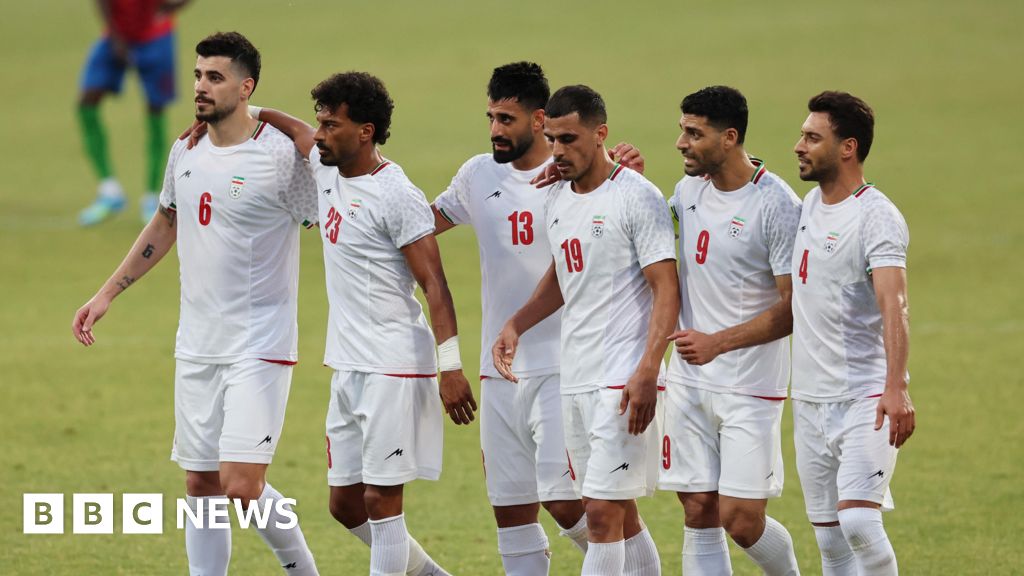
Bureaucracy is already sabotaging Iran's World Cup buildup
6 days, 14 hours ago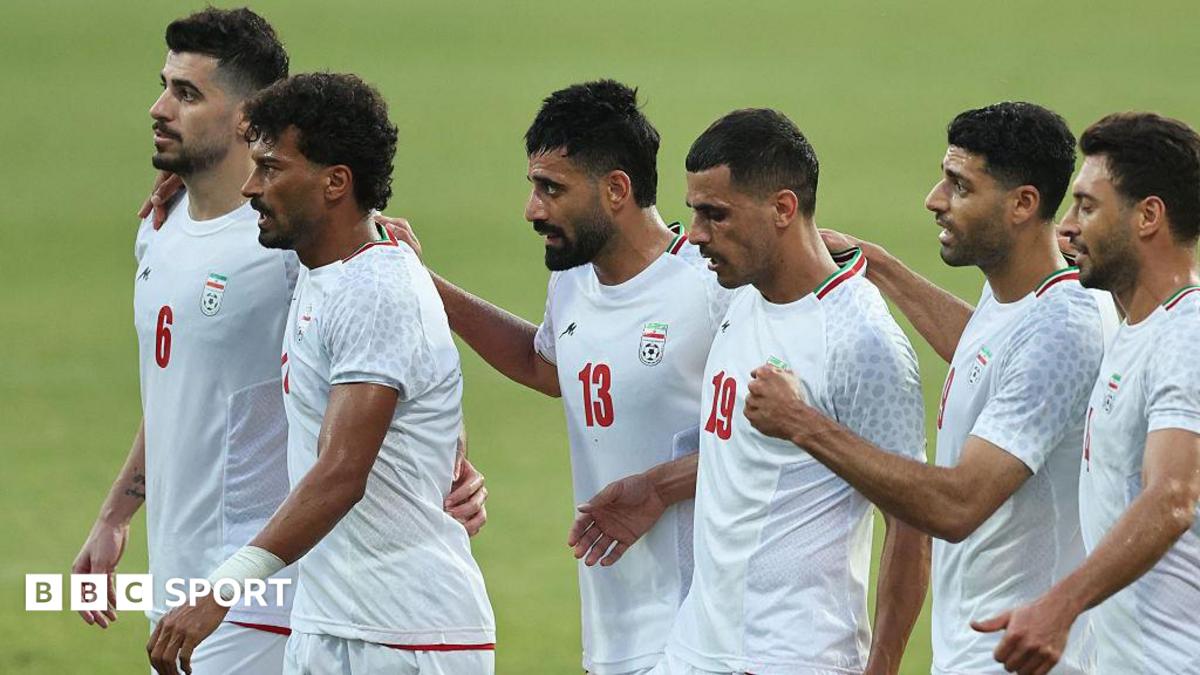
Iran enters the World Cup facing a logistical nightmare
3 days, 17 hours ago
Politics is already overshadowing the 2026 World Cup
4 days, 11 hours ago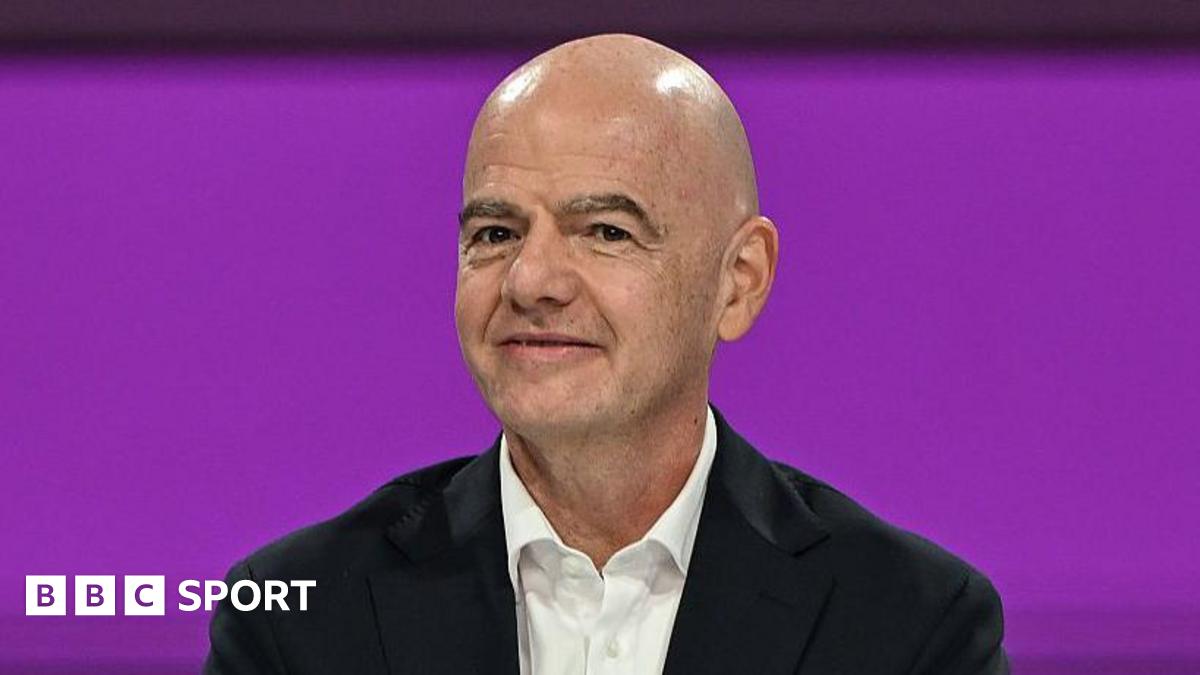
Infantino’s FIFA is ignoring the friction of 2026
2 months, 1 week ago
World Cup 2026 chaos begins before the first whistle
1 day, 23 hours ago