The inevitable retreat of the Boston spreadsheet
FSG likes to talk about sustainability. It is the central pillar of their ownership model, the buzzword they deploy whenever fans demand a £100 million midfielder or a wage structure that competes with state-backed projects. But sustainability shouldn't mean squeezing the local support until the pips squeak. The news today that Liverpool has scaled back its planned ticket price increases for the next two seasons isn't an act of charity; it is a tactical retreat born of PR fear.
For those tracking the internal mechanics of Fenway Sports Group, this move follows a predictable, almost wearying pattern. They push the boundary, they test the elasticity of fan loyalty, and when the backlash threatens the 'brand equity' of the club, they blink. We saw it in 2016 with the 77th-minute walkout. We saw it with the European Super League. We saw it with the attempt to trademark the word 'Liverpool.' This is corporate muscle memory at work.
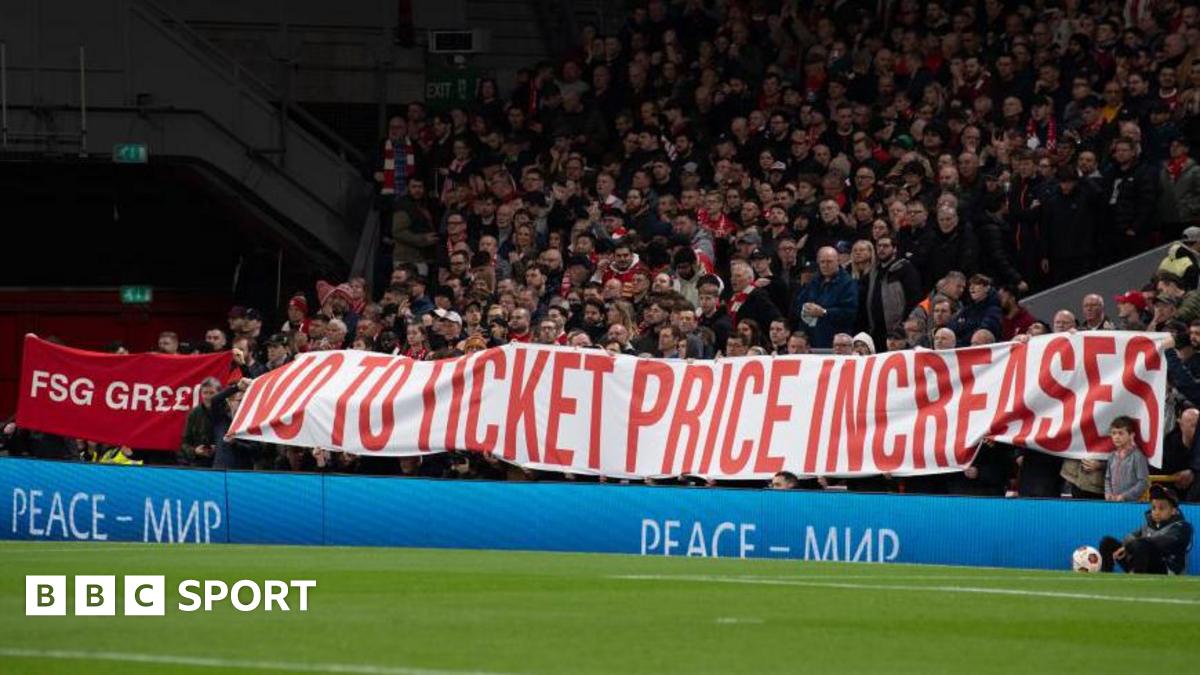
The current climbdown, as reported by the BBC, comes after a sustained period of pressure from fan groups like Spirit of Shankly. The original plan for the 2026/27 season involved a hike that many felt was unnecessary given the club's record-breaking commercial revenues. In a world of multi-billion pound TV deals, the incremental gain from raising season ticket prices by an extra couple of percentage points is a rounding error on the balance sheet. To the club, it is a line item. To the fan in the Kop, it is the difference between attending every home game or deciding which ones to skip.
The math of alienation
Let's look at the technical reality of Liverpool's financial position in May 2026. The club is operating in a post-Klopp era where every decision is scrutinized through the lens of continuity. Matchday revenue remains one of the few levers FSG can pull that isn't tied to the volatility of broadcasting rights or the whims of UEFA's ever-changing prize money structures. However, it is also the most dangerous lever. When you price out the local core, you don't just lose revenue; you lose the 'Anfield Factor' that the marketing department uses to sell the club to sponsors in Dubai and New York.
The planned rise was reportedly set to be around 4 percent across the board. By reducing this to a 2 percent increase, the club is effectively admitting that the initial proposal was an overreach. This 2 percent gap represents a negligible amount in the context of a club generating over £600 million in total turnover. The fact that they were willing to risk an all-out war with the fans for such a marginal gain suggests a fundamental lack of original thought in the Anfield boardroom. They are chasing pennies while risking pounds of goodwill.
The ghost of 2016
History matters here. In February 2016, 10,000 fans stood up and walked out of Anfield during a match against Sunderland. They left in the 77th minute to protest a proposed £77 ticket. It was a visceral, televised rejection of the 'Legacy Fan' label. FSG backtracked then, and they are backtracking now. But the trust hasn't been rebuilt; it has merely been put on life support. The owners seem to view the fans as a customer base with infinite patience, rather than a community that defines the club's identity.
The timing of this climbdown is also curious. We are currently sitting on the precipice of a massive summer for the club. With the Champions League Final just weeks away on May 28 and the World Cup looming in June, the last thing the FSG hierarchy wants is a protest movement gathering steam during the season ticket renewal window. It is easier to concede 2 percent now than to deal with empty seats or black banners during a trophy parade. It is cynical, calculated, and entirely on-brand for John Henry’s operation.
A critical failure of leadership
Here is the uncomfortable truth: Liverpool’s management is currently failing the 'Scouse' test. While they are happy to use the imagery of the working-class city to sell jerseys in Asia, they are increasingly disconnected from the economic reality of the people living in L4. You cannot market 'This Means More' while simultaneously pricing out the people who made it mean something in the first place. The disconnect between the Boston-based private equity firm and the North West of England has never been more obvious than in these price-hike negotiations.
The reduction in the price rise is a victory for Spirit of Shankly and the Spion Kop 1906 groups, but it feels like a temporary ceasefire rather than a peace treaty. The club’s statement mentioned the 'next couple of seasons,' which is code for 'we will try this again in 2028.' There is no long-term commitment to a price freeze or a genuine link between ticket costs and local inflation. It is a sticking plaster on a self-inflicted wound.
The lack of transparency is also a glaring issue. Fans were presented with the hike as a necessity due to rising operational costs, yet the club’s own commercial partnerships—like the recently renewed deal with Standard Chartered—continue to hit record highs. If the club is more profitable than ever, why is the local fan being asked to subsidize the electricity bill for the new Anfield Road Stand? It is a question the hierarchy refuses to answer with anything other than corporate speak.
Prediction: The dynamic pricing threat
The 2026/27 season will see Anfield full, but the atmosphere will have a sharpened edge. FSG has avoided a full-scale revolt for now, but they have exhausted their 'get out of jail free' cards. My prediction is that this climbdown will be offset by a surge in 'premium' and 'hospitality' seat conversions in the Centenary Stand. They will get their revenue one way or another, even if it means slowly eroding the ratio of general admission seats to corporate boxes.
Expect the summer transfer window to be used as a further distraction. A shiny new signing will be paraded as proof that the 'sustainability model' is working, and the ticket price debate will be pushed to the back pages. But for the fans who organize the flags and the chants, the memory of this attempted hike won't fade. FSG blinks when they are scared, but they never truly change their spots. The battle for the soul of Anfield isn't over; it has just moved to the 2028/29 season agenda.
The verdict
Liverpool's owners have managed to turn a simple season-ticket renewal into a referendum on their own greed. They 'won' the ability to raise prices by 2 percent, but they lost more in credibility than they will ever gain in sterling. If the goal was to start the Arne Slot era with a sense of unity, they have failed miserably. The only thing that remains certain is that the fans will be watching the accounts as closely as they watch the pitch.