The Champions League vibe is being ruined by corporate greed
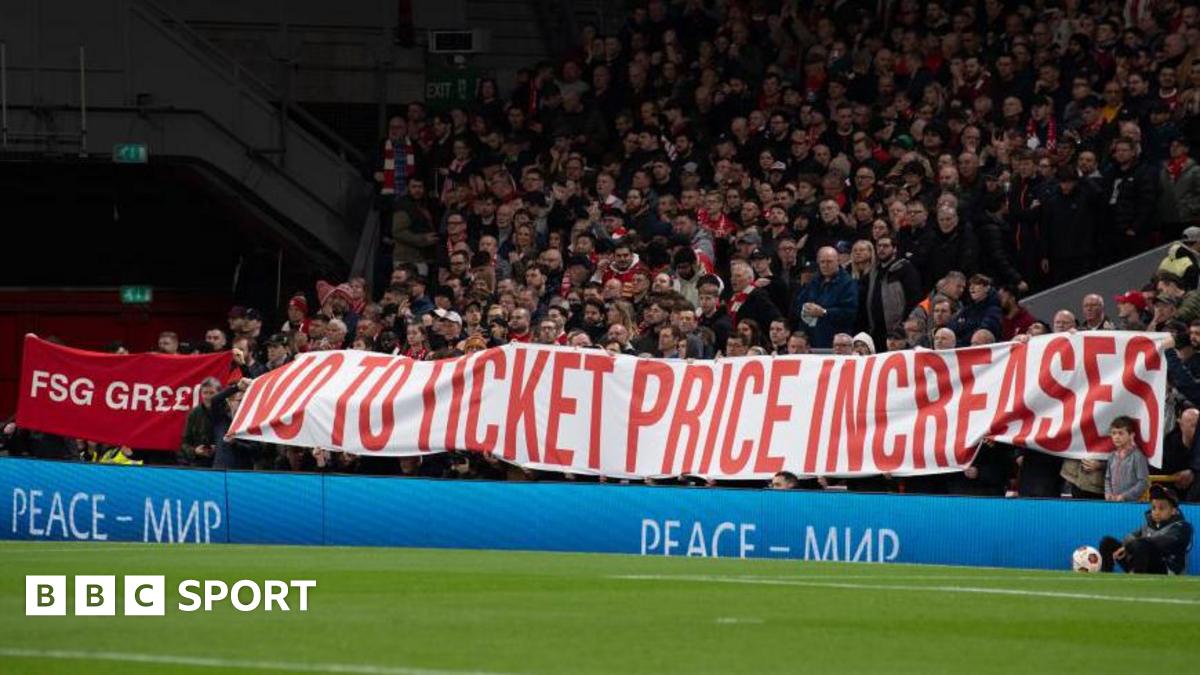
While the rest of the continent is puckering up for the Champions League quarter-finals tonight, the mood around Anfield feels less like a European gala and more like a picket line. It is April 7, 2026, and we should be talking about tactical masterclasses and whether the midfield can hold up under the bright lights. Instead, we are talking about spreadsheets and the cold, hard reality of ticket price hikes. Sky Sports is reporting that fan groups are staging a series of protests, and honestly, it is about time somebody flipped the table.
The irony is thicker than a Scouse accent in a North End pub. The club is printing money, the commercial deals are flying in from every corner of the globe, and yet the hierarchy still feels the need to squeeze an extra few quid out of the guy who has been sitting in the same seat since the 1990s. It is the classic FSG playbook: build a shiny new stand, tell everyone it is for the good of the club, and then hand the bill to the locals who made the atmosphere famous in the first place.
The forum war: enthusiasts versus the angry mob
If you spend five minutes on the LFC subreddits or the Red and White Kop forums, you will see a community that is eating itself alive. You have the so-called realists who think we need to raise prices to keep up with the state-funded juggernauts. Then you have the local heart of the club who see this as the final betrayal. Let’s look at some of the takes doing the rounds right now.
"If we want to compete with the likes of Man City and Newcastle, we have to maximize every revenue stream. An extra 2 percent on a ticket is the price of a meal deal. If you can afford the match, you can afford the increase. Stop crying and support the team."
That is the typical response from the section of the fanbase that probably watches the games on a delayed stream from three thousand miles away. It is easy to talk about meal deals when you aren't the one seeing your season ticket creep toward a four-figure sum while the cost of living is kicking everyone else in the teeth. This isn't about a couple of quid; it is about the principle of being treated like a customer rather than a stakeholder.
"They are killing the atmosphere one seat at a time. The Kop used to be a wall of noise; now it is a wall of iPhones and people wondering why the hospitality prawn cocktails aren't chilled enough. Every hike pushes out another local kid."
This side of the argument has the moral high ground, even if it doesn't have the accounting software to back it up. The atmosphere at Anfield has been a topic of debate for years, often described as 'clinical' or 'quiet' during routine league games. When you price out the 19-year-old who wants to scream his lungs out for 90 minutes and replace him with a corporate guest who is there to network, you lose the very thing that makes the stadium intimidating. You are trading fear for finance, and it is a losing trade in the long run.
The contrarian view: is this actually about the tourists?
There is a darker, more cynical take bubbling under the surface. Some fans argue that the club actually wants the local 'legacy' fans to leave. Why? Because a tourist from overseas will spend 200 pounds in the club shop on a matchday, buy the expensive half-time burgers, and never complain about the ticket price because it is a once-in-a-lifetime trip for them. The local fan buys a program, maybe a pint, and goes home.
This is the cold-blooded reality of modern football. The club doesn't want loyalty; it wants high-turnover consumers. If you can't afford the new prices, there is a waiting list of ten thousand people who will happily pay double just to say they were there for a European night. It is a ruthless way to run a football club, and it ignores the fact that when the team inevitably hits a slump, the tourists will disappear, but the locals will still be there—unless they've been priced out for good.
The protest plan and why FSG should be worried
The planned protests aren't just a few grumpy banners. We are talking about the removal of flags from the Kop, which is the visual identity of the club. Imagine a Champions League quarter-final where the famous sea of red is replaced by empty concrete and silence. It is a PR nightmare for a club that sells itself on its 'unique' heritage and connection to the community. You cannot market 'This Means More' and then treat your fans like an ATM.
My take? The club is being incredibly tone-deaf. We are seeing a massive disconnect between the boardroom and the streets of Anfield. The revenue generated by these price hikes is a drop in the ocean compared to the TV rights and sponsorship deals. It is a move that generates a tiny bit of extra cash while burning a massive amount of goodwill. It is bad business disguised as necessary growth.
The critical failure of the ownership
Let's be blunt: FSG have done a lot of good. They fixed the stadium and they got the recruitment right for a long time. But they have always had this nagging habit of trying to pick the fans' pockets. Remember the 77 pound ticket protest in 2016? They backed down then because the fans walked out in the 77th minute. It seems they need a refresher course in Scouse defiance.
The most frustrating part of this is that it overshadows what should be a celebration of the sport. We are in the business end of the season. We should be worrying about the injury list and the form of our strikers, not checking our bank balances to see if we can afford the next home game. The club is forcing the fans to choose between their passion and their pockets, and that is a choice no supporter should have to make. If the flags stay down tonight, the hierarchy needs to look at the empty space and realize that you can buy a lot of things, but you can't buy back a soul once you've sold it to the highest bidder.
Final verdict: Who wins the argument?
The 'realists' will tell you that the world has changed and football is a business. They are wrong. Football is a social institution that happens to have a business attached to it. When the business starts eating the institution, the whole thing collapses. The fans protesting are 100 percent in the right. They are the ones who will be there on a rainy Tuesday in December when the team is in a slump, and they deserve better than being squeezed for every last penny.
If the club doesn't back down, expect the atmosphere to continue its downward slide. You can't manufacture passion with a louder PA system or flashier pre-match light shows. It comes from the people. If you drive them away, all you are left with is a very expensive, very quiet museum. FSG needs to realize that the most valuable asset they have isn't the stadium or the players—it is the people who turn up every week. And right now, those people are done being ignored.