
FSG’s predictable Liverpool climbdown proves they will never learn
The familiar cycle of Fenway Sports Group
Here we are again. It is early May, the business end of the season, and Liverpool’s owners have once again found themselves in a staring contest with their own supporters. And, as always, they blinked. But if you look closely, you will notice they kept one eye open.
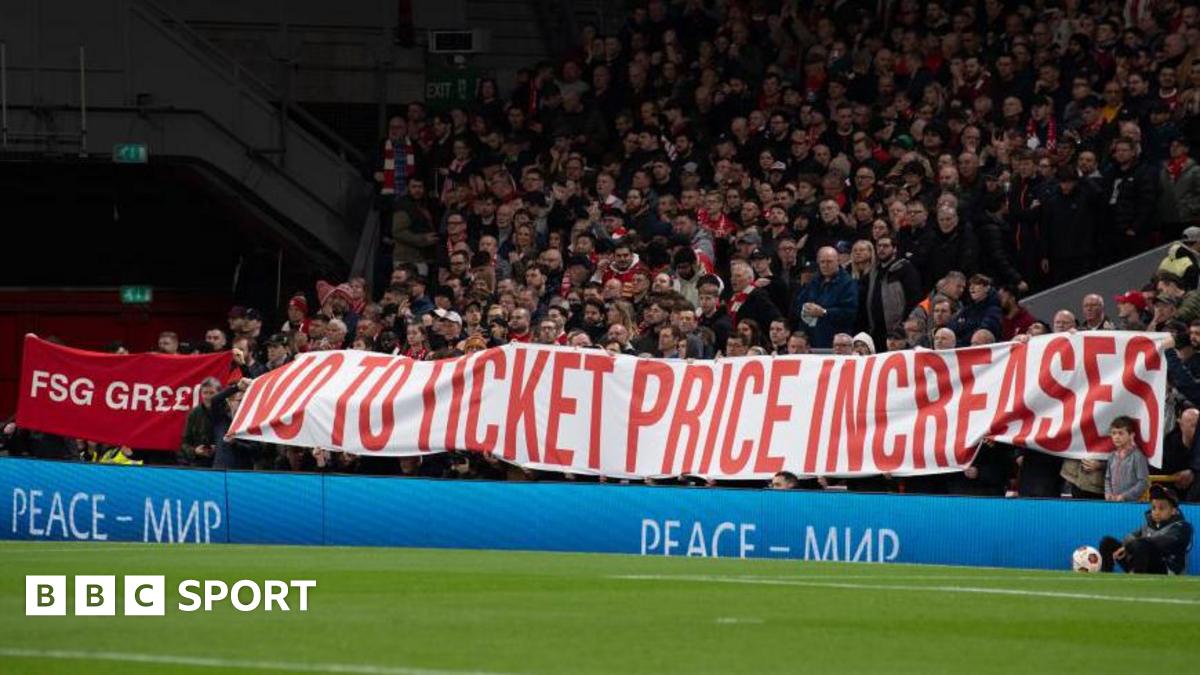
Fenway Sports Group has mastered a very specific, incredibly annoying management cycle at Anfield. Step one: propose a wildly unpopular, deeply cynical idea designed to squeeze a few extra million out of the matchgoing public. Step two: wait for the inevitable fan backlash, complete with banners on the Kop, statements from Spirit of Shankly, and threats of mass boycotts. Step three: issue a carefully worded climbdown, scrap the worst part of the plan, and hope everyone claps them on the back for listening.
This week, they played the hits perfectly. Faced with the reality that furious fans were actively organizing a massive boycott of matchday spending—no pies, no pints, no shiny new kits from the Anfield megastore—the club scrapped their proposed multi-season ticket price hikes. It was framed by some optimistic pundits as a victory for fan power, and in many ways, it is.
But read the fine print. They dropped the multi-year escalation plan, but the planned price increase for next season? Yeah, that one is staying. It is the classic sales tactic of anchoring. You threaten someone with something horrendous, so they feel relieved when you only give them something bad.
Threatening the real bottom line
The catalyst for this sudden reverse-gear maneuver wasn't a sudden burst of working-class solidarity in the Boston boardroom. It was a direct, credible threat to the secondary revenue streams.
Matchday revenue in 2026 isn't just about the person swiping their season ticket at the turnstile. It is the captive audience inside the concourse. Liverpool’s fan groups, including Spion Kop 1906, figured out the cheat code for dealing with modern American sports ownership. You don't just boycott the tickets, because there are a thousand tourists in the queue ready to take that seat. You boycott the auxiliary spending.
If fifty thousand people suddenly stop buying overpriced pints of Carlsberg and refuse to drop cash on half-and-half scarves, the spreadsheets in Massachusetts start turning red very quickly. The threat of an organized, highly visible strike on matchday spending terrified the club executives far more than a few angry tweets.
It is a sharp reminder that legacy fans still hold the power, provided they are willing to weaponize their wallets. FSG didn't back down because they suddenly realized they were pricing out local families in Walton and Anfield. They backed down because the risk-reward ratio of the multi-year hike tipped into the negative. A quiet, organized strike on the concourse hurts the bottom line, but it also creates terrible optics for the broadcast partners. Nobody wants to pan to a miserable, silent crowd refusing to buy a hot dog.
The ghost of 2016 and the Super League
If you have followed Liverpool for more than ten minutes, this entire saga feels exhausting because we have lived it before. Almost exactly a decade ago, in early 2016, FSG tried to introduce a £77 matchday ticket.
That sparked the infamous walkout against Sunderland. Over ten thousand fans simply got up and left Anfield in the 77th minute. The imagery was striking, the message was clear, and the team subsequently collapsed on the pitch, blowing a two-goal lead. Within days, John W. Henry and Tom Werner issued a groveling apology, freezing prices and promising they had learned their lesson.
Then came the European Super League fiasco in 2021. Another cynical cash grab, another massive fan revolt, another hostage-video apology from Henry looking like a man forced to read a statement at gunpoint.
Now, in 2026, we are doing the dance again. It makes you wonder what the strategy actually is. Do they think the fans have forgotten? Or is the plan to just keep prodding the electric fence every few years to see if the current is still on? The reality is that American ownership models are inherently incompatible with the traditional European football ethos. They view a football club as a franchise, a closed-loop business meant to generate reliable, year-on-year growth. The fans view it as a civic institution. Those two ideologies will never stop colliding.
The hypocrisy of the Anfield atmosphere
The real issue here isn't just a single percentage increase on a season ticket. It is the broader, slow-motion gentrification of English football. Every Premier League club is guilty of this. Just look at Tottenham Hotspur charging extortionate rates for a cheese room, or Manchester United trying to squeeze their loyal away following.
But Liverpool's brand is so heavily tied to its working-class, socialist roots that the hypocrisy hits harder. The club uses the passion of the Kop as its primary marketing tool. They sell the atmosphere to global television networks, to sponsors, to corporate partners.
You cannot have it both ways. You cannot market Anfield as a mystical, raucous cauldron of noise while simultaneously treating the matchgoing fan like a high-yield savings account. The people singing You'll Never Walk Alone are not actors hired by the marketing department. They are real people dealing with a brutal cost of living, trying to scrape together enough cash to watch their team.
When you price those people out, you don't just lose their money. You lose the noise. You lose the intimidation factor that makes visiting teams crumble. You replace the guy who screams at the referee for ninety minutes with a tourist who spends half the match trying to get a selfie with the corner flag. We have seen it happen at the Emirates. We have seen it happen at Stamford Bridge. FSG are playing a dangerous game with the very soul of their stadium.
The transfer market disconnect
What makes these ticket hikes particularly galling is the context of modern football spending. The executives will look you dead in the eye and claim that operational costs are rising, that matchday overhead is more expensive, and that the club needs this revenue to remain competitive on the pitch.
It is complete nonsense. The amount of money generated by a minor ticket hike is a drop in the bucket compared to the television money. It is a rounding error in the modern transfer market. We are living in a world where mediocre squad players earn £100,000 a week. A club will happily blow thirty million pounds on a backup winger who spends half the season on the physio table, but they will pinch pennies from the guy who travels to every away game on a freezing Tuesday night.
If Liverpool needed to save three million pounds to balance the books, they could just sell a fringe youth player to a newly promoted side. They do it every summer. Slapping that cost onto the season ticket holders is not an economic necessity. It is a choice. It is a deliberate decision to pass the buck down to the people who are emotionally incapable of walking away.
Because that is the ultimate weapon these owners have. They know you love the club. They know you aren't going to suddenly start supporting Everton or Tranmere Rovers. You are a captive market. In any other industry, if a business provided a worse product and raised the prices, you would just go to a competitor. But football doesn't work like that, and the owners exploit that irrational loyalty every single day.
The sneaky retention of the immediate hike
The sneaky retention of next year's hike is the smoking gun here. They threw the fans a bone by scrapping the multi-year plan, but they still get their immediate revenue bump for the 2026-27 season. It is death by a thousand cuts.
A few pounds this year, a few pounds next year. Over a decade, the demographic of the stadium shifts entirely. The multi-year plan was likely a decoy from the start. They ask for the moon, settle for the stars, and leave the fans thinking they won a negotiation that was rigged from the opening bell.
It is infuriating to watch happen in real time. We are talking about a club that generates massive global revenue through broadcasting, commercial partnerships, and deep runs in European competitions. Do they really need to squeeze an extra fifty quid out of a season ticket holder who has been sitting in the Centenary Stand since 1995? The answer, to a venture capitalist, is always yes. Every penny left on the table is viewed as a failure of optimization.
What happens next?
For now, the fan groups have claimed a partial victory. Spirit of Shankly and Spion Kop 1906 mobilized their base effectively and proved that organized resistance works. They forced a multi-billion dollar ownership group to blink and alter their financial projections.
But the war is far from over. FSG will retreat, crunch the numbers, and come back in a year or two with a new plan. Maybe it will be a dynamic pricing model, where a ticket against Manchester City costs triple the price of a ticket against Bournemouth. Maybe it will be a new tier of premium seating masquerading as standard admission.
The modern football fan is locked in a permanent state of vigilance. You cannot just enjoy a Saturday afternoon on the terraces anymore. You have to be a forensic accountant, a union organizer, and a PR expert just to afford the right to watch your team. It is an exhausting way to support a football club.
Liverpool supporters won a battle this week, and they should be proud of how quickly they forced the suits to backtrack. But the reality is grim. The people running the sport view local fans not as the soul of the club, but as an obstacle to maximum profitability. Until that underlying mindset changes, we will be back here having this exact same argument before the decade is out. Keep your wallets closed, because they are definitely coming back for them.
Arsenal F.C. Authentic Official Licensed Soccer Scarf
Show your true colors on chilly match days.
More Coverage

Anthony Gordon to Barcelona marks a high-stakes gamble
22 minutes ago
Arsenal's 104 million gamble on Julian Alvarez is pure chaos
23 minutes ago
Top 10: The Definitive Arsenal Moments of the 2025/26 Season
an hour ago
Newcastle are burning the furniture to keep the house warm
2 hours ago
Manchester City's business model is frankly terrifying
2 hours ago
Brentford midfield hit by late-season injury setback
2 hours agoMore Analysis
FSG blinks again: Why Liverpool's ticket price climbdown is a pyrrhic victory
3 weeks ago
Liverpool are pricing out their soul and the fans have finally had enough
1 month, 3 weeks agoLiverpool fans are right to be furious and every rival should pay attention
1 month, 3 weeks ago
Arne Slot's failing system makes Liverpool's price hike even harder to swallow
2 months ago
Arne Slot's Liverpool collapse is mirroring a classic FSG mistake
2 weeks ago