The Big Picture
The 2026 World Cup is just 78 days away, and the football world is currently a powder keg of legal battles, tactical gambles, and logistical nightmares. From the training pitches of St. George’s Park to the hospital rooms in Bucharest, the stakes have never been higher for a tournament that is as controversial as it is massive.
10. Manchester United’s 2035 stadium dream
Manchester United are looking nearly a decade into the future, targeting their new stadium build to coincide with the 2035 Women’s World Cup. It is a staggering show of ambition for a club currently struggling to keep the rain out of Old Trafford. While the board chases global showpiece events, the fan base remains divided on whether this is a genuine vision or a shiny distraction from current failures. Building a venue for a final in 2035 is noble, but United must first survive their own structural decline. There is something fundamentally wrong when a club prioritizes a tournament nine years away while their current infrastructure is a punchline.
9. Gio Reyna’s vanishing act at Gladbach
Gio Reyna is essentially a ghost in the Bundesliga right now. He has managed only 26 minutes of competitive football in 2026, a stat that should terrify every USMNT supporter. Borussia Mönchengladbach has frozen him out of the matchday rotation for two months, leaving the American playmaker without a rhythm. You cannot expect a player to lead a host nation in a World Cup if he cannot get off the bench in Germany. His lack of conditioning and match sharpness is the biggest red flag for Gregg Berhalter’s side as the clock ticks down. It is a tragic waste of talent that could derail the American dream this summer.
8. The environmental cost of expansion
The math behind the first 48-team World Cup is a nightmare for anyone concerned about the planet. BBC analysis has labeled this the most polluting sporting event in history due to the sheer volume of air travel required. Teams and fans will be shuttling between Vancouver, Mexico City, and Miami, racking up carbon credits that FIFA can’t easily offset. The logistical sprawl of a continent-wide tournament is the price we pay for a bigger broadcast deal. It is hard to swallow the sustainability PR when the schedule requires constant cross-continental flights. This expansion serves the bank accounts, but the environmental bill will be staggering.
7. The Home Nations play-off lottery
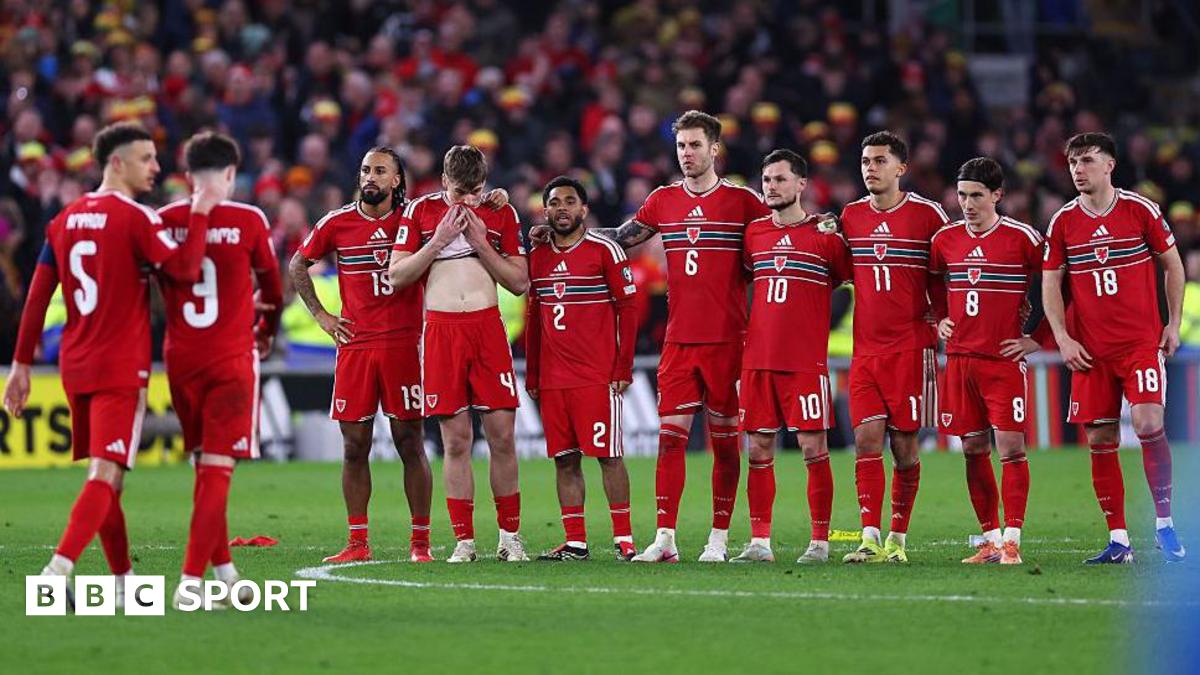
Wales, Northern Ireland, and the Republic of Ireland are all staring down the barrel of the play-off system. For Wales, the clash against Bosnia and Herzegovina represents the start of a terrifying new chapter. Life after Gareth Bale and Aaron Ramsey was always going to be difficult, but Craig Bellamy is being forced to find a new identity under extreme pressure. Failing to qualify for a 48-team tournament would be viewed as a national disaster for any of the home nations. The margin for error has vanished, and the tension in Cardiff and Belfast is at a breaking point. These matches are not just qualifiers; they are referendums on the state of British football development.
6. Max Dowman and the Walcott warning
Theo Walcott has seen this movie before, and he doesn’t like the ending. The former England international has taken the unusual step of urging Max Dowman to snub Thomas Tuchel if a World Cup call-up arrives. Walcott was the 17-year-old mascot for the 2006 squad, a move that arguably stunted his long-term growth by placing him under a premature microscope. Dowman is the latest Arsenal sensation to catch the eye of the national team, but Walcott’s advice is grounded in painful experience. He wants the teenager to stay home, develop in peace, and avoid the crushing weight of a major tournament too soon. It’s a rare moment of honesty from a veteran who knows the cost of being the next big thing.
5. Mircea Lucescu’s hospital-room tactics
Mircea Lucescu is 80 years old and currently coaching the Romanian national team from a hospital bed. Facing a critical play-off against Turkey, the veteran manager is refusing to step down despite his physical battles. He told The Guardian he cannot leave like a coward, citing a duty to his country. It is an incredible story of grit, but it also highlights a desperate lack of succession planning within the Romanian FA. Watching a manager coordinate defensive drills via video link from a cardiac ward is both inspiring and deeply unsettling. Lucescu is chasing one last dream, even as his own body tries to wake him up.
4. FIFA’s stadium rule breach
FIFA has been forced to break its own internal stadium regulations to accommodate a venue in the United States. Following 18 months of grueling negotiations and "sleepless nights" regarding pitch quality, the governing body blinked. The primary issue stems from the impossibility of maintaining high-quality natural grass over synthetic turf in several American arenas. This compromise shows that even FIFA’s rigid technical standards are no match for the commercial reality of US infrastructure. It sets a dangerous precedent for future tournaments where host requirements might be treated as mere suggestions. The "gold standard" of World Cup pitches is being compromised before a single ball is kicked.
3. The ticketing legal war
A major supporters' body has officially filed a complaint with the European Commission against FIFA. The core of the grievance is the ticketing system, which fans claim breaks EU competition laws and creates an unfair secondary market. With prices reaching levels that feel predatory, the "fans first" rhetoric from Zurich is ringing hollow. People are being priced out of their own passion, and the legal challenge aims to force a total restructure of the allocation process. As Sky Sports reported, this could be the start of a massive judicial headache for Gianni Infantino. A World Cup without real fans in the seats is just a very expensive television production.
2. England’s open training revelations
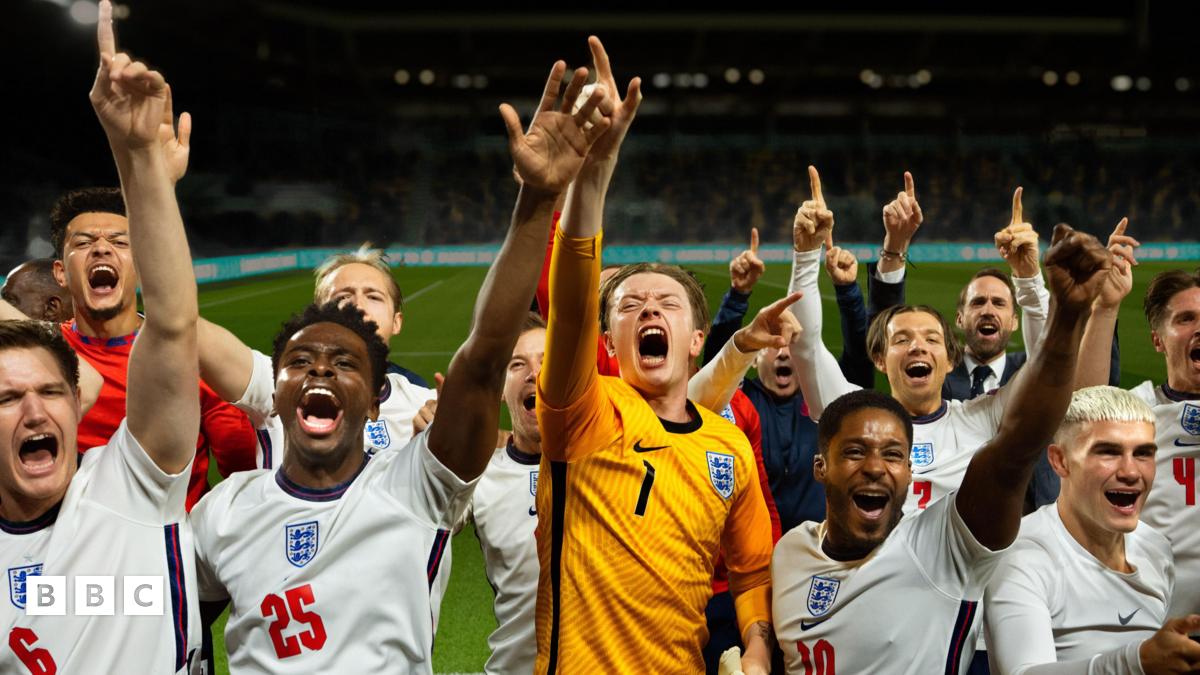
England’s open training session this week offered a fascinating look at the tactical experiments under Thomas Tuchel. Jude Bellingham and Cole Palmer were spotted operating in entirely free roles, drifting across the final third with total autonomy. Phil Foden’s intensity was the talk of the session, allegedly fizzing a pass at Marcus Rashford so hard it caused visible friction burns on the turf. The inclusion of James Garner as a potential dark horse for the squad adds another layer of intrigue to the selection process. Tuchel is clearly trying to build a team that thrives on technical speed rather than rigid positional play. The mood is confident, but the pressure on this "golden generation" is starting to simmer.
1. Thomas Tuchel’s direct football pivot
Forget the intricate build-up play we usually associate with a Thomas Tuchel side. For the 2026 World Cup, England are going direct. Tuchel has correctly identified that the searing North American heat will punish teams that try to dominate possession for 90 minutes. His plan is to import the "Premier League style" of high-octane, direct football to bypass a sluggish midfield. Set pieces are being treated as the ultimate weapon, with hours of training dedicated to dead-ball scenarios. It is a pragmatic, perhaps even cynical, shift that prioritizes efficiency over aesthetics. If it wins the trophy, nobody will care about the lack of style, but it is a massive gamble for a manager hired to provide tactical sophistication. England are trading their soul for a shot at glory.
Honorable Mentions
Northern Ireland and the Republic of Ireland are clinging to slim qualification hopes through the back-door play-off route. Meanwhile, fans are being urged to utilize free streaming options for the upcoming qualifiers to avoid the skyrocketing costs of sports subscriptions. Finally, Marcus Rashford’s renewed smile in training suggests he is finally ready to reclaim his spot as a primary threat on the wing.
Read Next
- England's World Cup plan is just set pieces and vibes
- Thomas Tuchel's ugly World Cup masterplan is backed by cold hard numbers
- England's Kansas City base: How Swope Soccer Village impacts World Cup fitness
- John Toshack’s dementia diagnosis is a devastating blow for football
- 🏆 World Cup 2026 — Full Coverage Hub
- 🏴 Wales at the 2026 World Cup — Full Coverage Hub